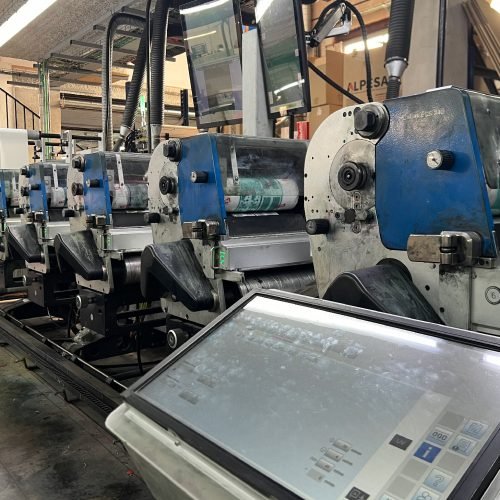
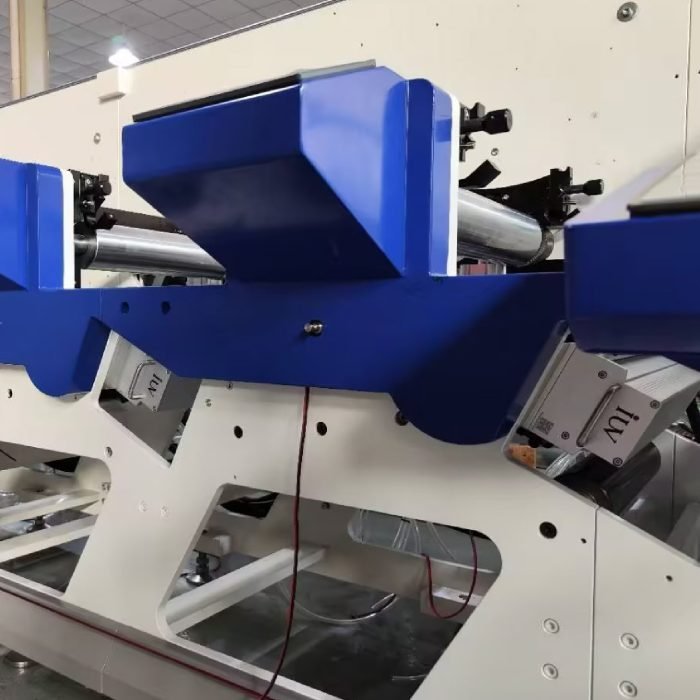
The shift toward sustainable manufacturing isn’t just a trend—it’s a necessity. In printing industries like label, flexo, offset, and narrow-web, energy consumption and production speed directly impact profitability. Traditional UV curing systems, often reliant on mercury arc lamps, have long been the default choice. But as technology evolves, LED UV curing is rewriting the rules. Let’s explore how this innovation balances energy efficiency with uncompromising performance.
Why LED UV Curing Stands Out
Unlike mercury-based systems that emit broad-spectrum UV light, LEDs target specific wavelengths (typically 365-405 nm). This precision matters. For ink and coating chemists, it means formulations can be optimized to cure faster under narrower spectral bands. Printers using LED systems report 50-70% energy savings because LEDs don’t require warm-up time or continuous operation. They’re instant-on/off, eliminating idle power drain during job changes—a frequent scenario in short-run label printing.
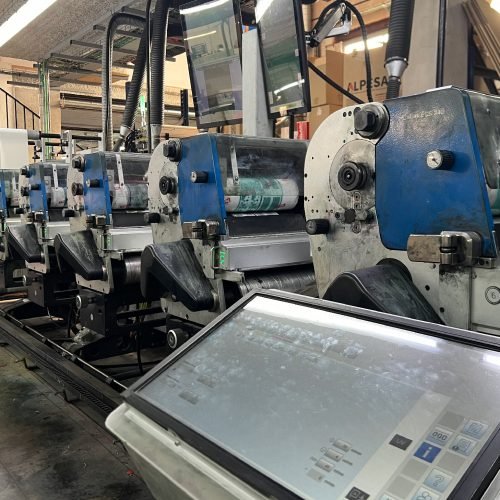
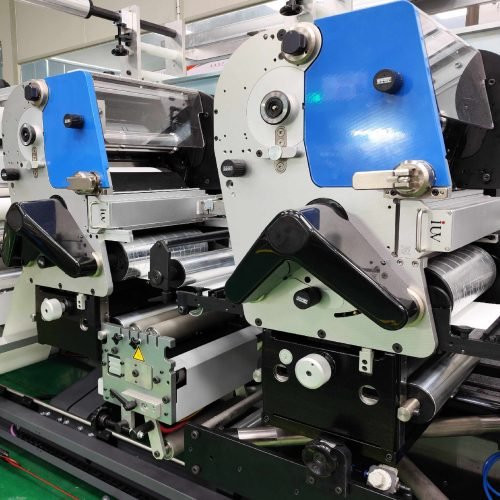
In flexo presses, where quick job turnover is critical, LED units reduce heat generation. Less thermal output means substrates like thin films or heat-sensitive labels won’t warp. A flexo printer switching to LED noted a 30% reduction in waste from substrate distortion. For offset applications, especially those using hybrid sheets, lower heat extends plate life and maintains registration accuracy during long runs.
Performance Metrics That Matter
Speed isn’t just about press RPM. It’s about how fast inks cure completely. LED systems achieve full cure in milliseconds, allowing inline processes (e.g., die-cutting, lamination) to follow immediately. In narrow-web printing, where unscheduled downtime costs roughly $500/hour, this reliability is nonnegotiable. One converter shared that LED-cured inks showed 98% adhesion on PET labels without post-treatment—something mercury systems struggled to achieve consistently.
Durability also plays a role. LED lamps last 15,000-20,000 hours versus 1,000-2,000 for traditional bulbs. For a three-shift label plant, that’s years without lamp replacements. Maintenance teams appreciate the lack of ozone generation, too. No more ductwork cleaning or HVAC upgrades to handle toxic byproducts.
Material Compatibility Breakthroughs
Early LED adopters faced challenges with pigment-rich inks and varnishes. Today’s LED formulations tackle opacity and color density head-on. A major ink supplier recently launched a series of LED-curable whites that achieve 95% opacity in a single pass—matching mercury lamp performance. For metallic inks used in premium packaging, LEDs provide uniform curing without hotspots, preventing glitter particle burnout.
In offset printing, LED’s cold cure capability enables printing on thermally sensitive stocks like synthetic papers or foam substrates. A European printer leveraged this to produce outdoor signage on PVC-free materials, meeting new EU sustainability mandates.
The Cost Equation: Beyond Kilowatt-Hours
Energy savings are quantifiable (LED systems use ~30% less power), but hidden costs matter more. Mercury lamps degrade over time, requiring intensity adjustments to maintain cure quality. LED output remains stable, ensuring consistent results from the first print to the 10,000th. For QC managers, that’s fewer test runs and less ink waste.
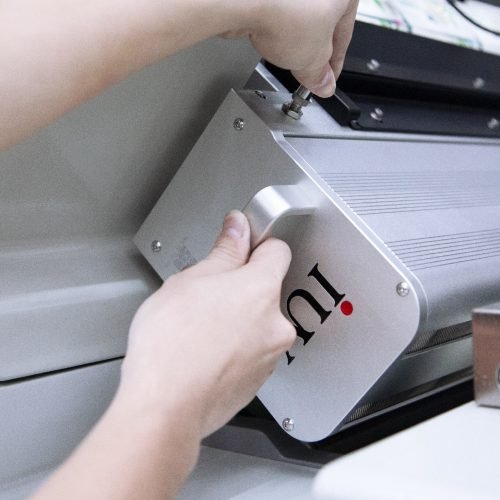
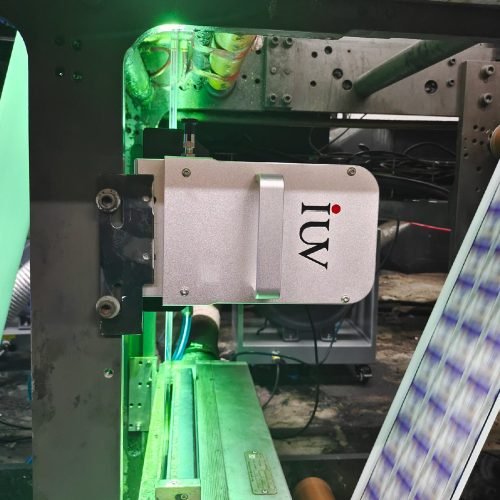
Consider also the space savings. LED units are compact, freeing up pressroom real estate. One narrow-web installer reconfigured their press layout, adding a second unwind station by replacing bulky mercury arrays with slim LED modules.
Regulatory Tailwinds
With mercury phase-outs legislated globally (see Minamata Convention), sticking with old systems risks obsolescence. Forward-thinking printers are preemptively adopting LED to avoid future retrofit costs. California’s strict VOC rules further incentivize LED adoption, as its precise curing reduces solvent retention in inks.
Real-World ROI Snapshots
- A label converter in Ohio cut energy costs by $18,000 annually after switching two presses to LED. Payback: 14 months.
- A Dutch packaging printer reduced CO2 emissions by 40 metric tons/year—equivalent to planting 1,800 trees—while speeding up jobs by 20%.
- A Canadian commercial offset house eliminated $8,000/year in mercury disposal fees and saw a 15% uptick in print quality scores.
The narrative around LED UV has shifted from “promising alternative” to “industry benchmark.” Whether it’s achieving finer halftones in flexo, reducing energy peaks in 24/7 label production, or meeting eco-label certifications, LED curing isn’t just keeping pace with printing’s demands—it’s setting a new standard. As substrate diversity grows and sustainability metrics tighten, this technology offers a rare win-win: doing better for the planet while running a leaner, more competitive operation.