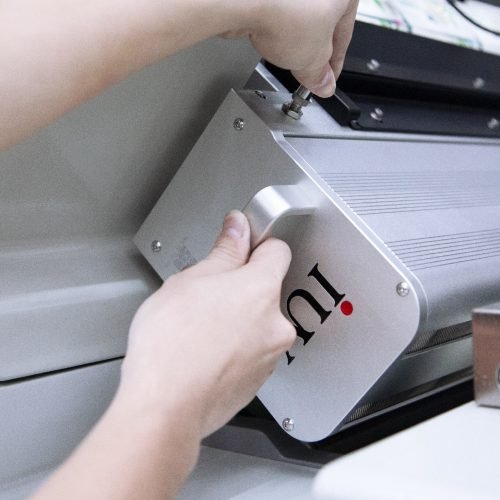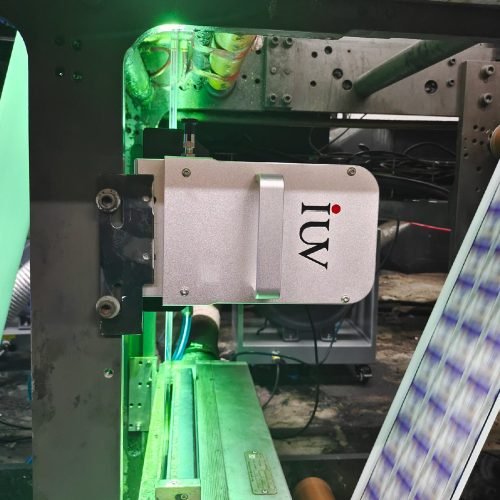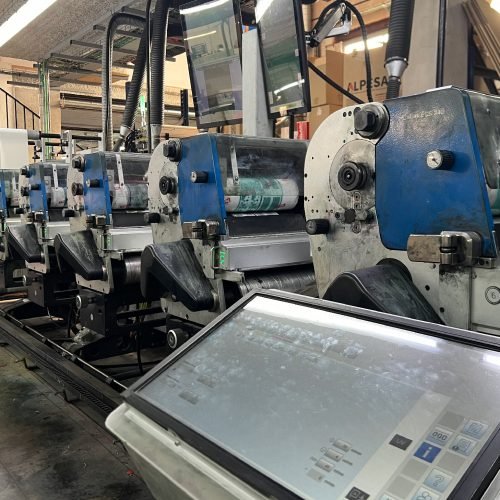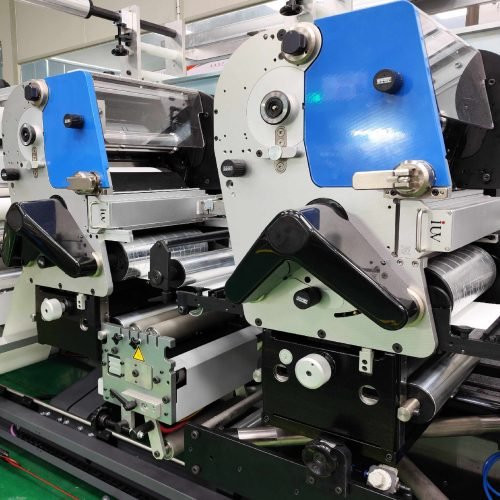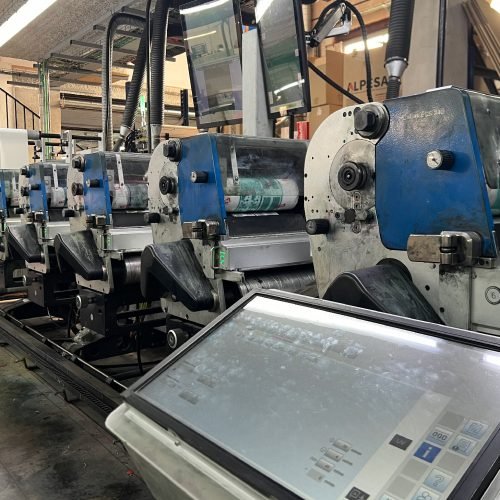
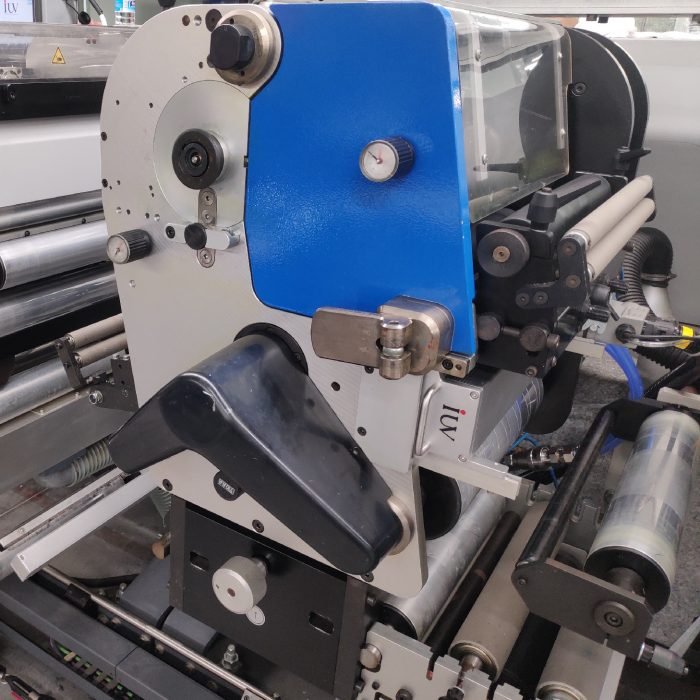
In flexo printing, achieving consistent adhesion and vibrant ink performance has always been a balancing act. Enter LED curing systems – game-changers redefining what’s possible across label production, narrow web applications, and flexible packaging. Unlike traditional mercury-vapor lamps, these solid-state light sources deliver targeted UV energy without the thermal baggage, particularly crucial when working with heat-sensitive substrates like thin films or pressure-sensitive labels.
The magic happens at the molecular level. LED UV lamps emit specific wavelengths (typically 365-395 nm) that trigger photoinitiators in modern UV-curable inks. This precise spectral matching creates instantaneous polymerization, locking pigments into a crosslinked network before solvents can migrate or oxygen inhibition occurs. For printers running shrink sleeves on PET containers or durable labels for chemical drums, this translates to ink films that withstand abrasion, chemical exposure, and mechanical stress right off the press.
Narrow web converters notice two immediate benefits: reduced energy costs and increased throughput. A 24-inch web press running LED curing consumes 60-70% less power compared to conventional UV systems. The instant on/off capability eliminates warm-up delays – crucial for short-run pharmaceutical labels where job changeovers happen multiple times daily. Operators working with delicate substrates like unsupported vinyls or thin polyolefins appreciate the absence of infrared heat. No more warping or shrinkage during curing, which means tighter registration holds across multicolor jobs.
Adhesion improvements become particularly evident when printing on challenging surfaces. Take coated beverage cans – LED-cured inks bond tenaciously to the slick UV-resistant coatings that often foil traditional curing methods. The secret lies in the controlled curing depth. By adjusting irradiance levels and spectral output, technicians can tailor the cure profile to penetrate surface contaminants without overcuring the ink’s top layer. This creates mechanical bonding at the substrate interface while maintaining ink flexibility – critical for applications like squeezable toothpaste tubes that undergo repeated deformation.
In hybrid printing environments combining flexo with digital units, LED systems provide unique advantages. Their compact form factor allows installation in space-constrained areas near inkjet print heads. The lack of ozone production keeps printhead nozzles cleaner, reducing maintenance downtime. For security printers embedding anti-counterfeiting features, LED’s cold cure preserves delicate taggants and micro-optics that thermal curing might degrade.
Substrate versatility expands significantly with LED technology. Printers can confidently handle everything from metallized films for snack packaging to textured synthetic papers for outdoor signage. The rapid curing halts ink absorption into porous materials, maintaining color density on uncoated stocks. In carton printing, this means sharper graphics on recycled corrugated surfaces that typically soak up conventional inks.
Operational efficiencies ripple through the workflow. With no bulb replacements or reflector cleaning required, maintenance intervals stretch from weeks to years. The directional nature of LED arrays minimizes stray UV exposure, creating safer working conditions – a tangible benefit for shops running three shifts. As sustainability mandates tighten, LED’s mercury-free design and reduced carbon footprint align with evolving ESG requirements across retail supply chains.
Performance metrics tell the story: LED-cured flexo inks regularly achieve adhesion scores exceeding 4B on ASTM crosshatch tests, even on polypropylene and polyethylene. Color gamuts widen as pigments remain undamaged by excessive heat, with ΔE values under 1.0 across production runs. For printers chasing Pantone certifications or brand-specific color matches, this consistency proves invaluable.
The transition does require adjustments. Inks must be reformulated with LED-compatible photoinitiators, and press configurations might need tweaking to optimize cure distance. But converters who’ve made the switch report payback periods under 18 months through energy savings, reduced waste, and expanded service offerings. As UV ink chemists continue refining formulations for LED compatibility, the performance gap between traditional and LED-cured prints keeps narrowing.
From high-speed sleeve labels to intricate security prints, LED curing proves its mettle. It’s not just about faster drying times – it’s about unlocking new material possibilities, elevating print durability, and future-proofing operations against tightening environmental regulations. The question isn’t whether to adopt LED technology, but how quickly your operation can integrate its capabilities to meet tomorrow’s printing challenges today.