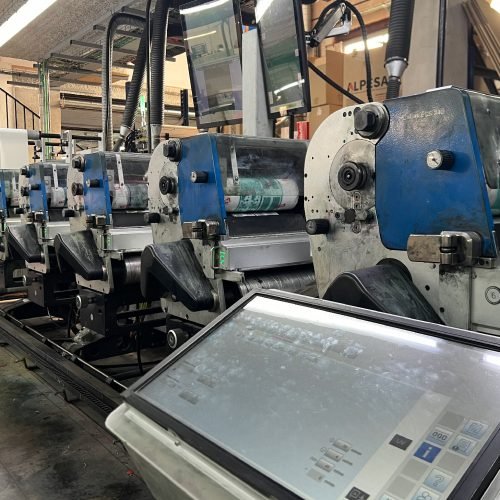
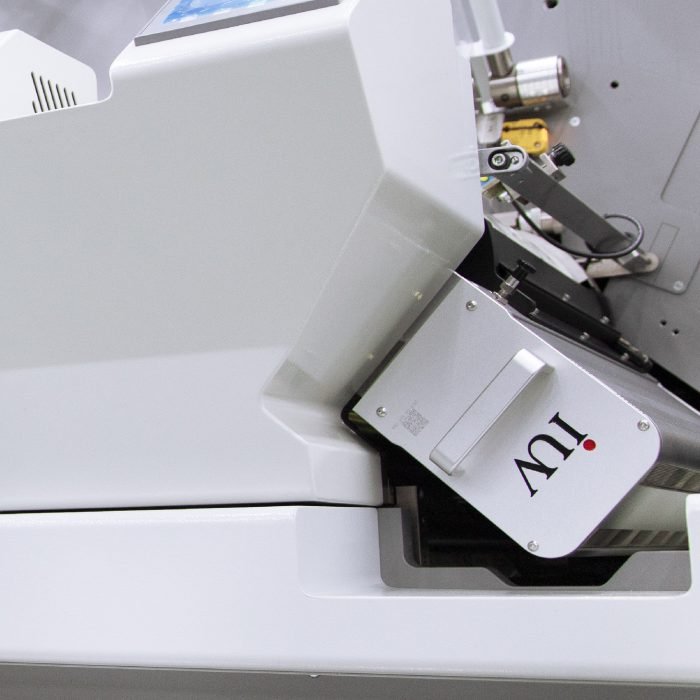
In high-speed printing environments, consistency isn’t just a goal—it’s a non-negotiable requirement. LED curing systems have emerged as game-changers for operations demanding precision across label, flexographic, offset, and narrow-web applications. Unlike traditional mercury-vapor lamps, these solid-state light sources deliver instant on/off capabilities, eliminating warm-up delays and slashing energy consumption. Their ability to maintain stable output over time directly addresses the variability that plagues conventional curing methods.
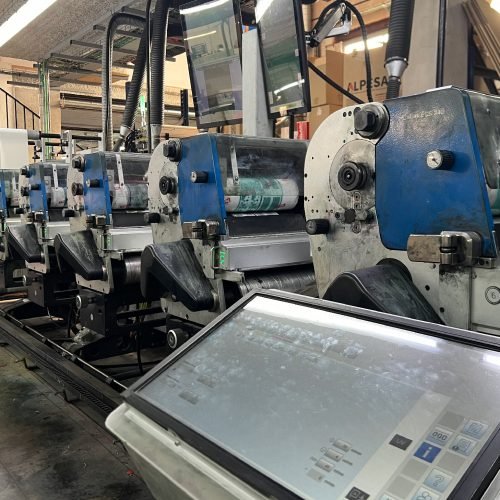
For label printers racing against tight deadlines, LED systems cut through the noise. They enable faster press speeds without sacrificing adhesion on heat-sensitive substrates. The absence of infrared radiation prevents label stock from warping or shrinking, a common headache when working with thin films or delicate papers. By fine-tuning UV wavelengths between 365-405 nm, operators achieve optimal ink polymerization across different chemistries. This flexibility is critical when switching between white inks requiring deeper curing and color inks needing surface-level hardening.
Flexographic printers face their own battles with dot gain and plate distortion. LED’s cooler operation preserves the integrity of photopolymer plates, maintaining sharpness through marathon print runs. The directional nature of LED arrays allows precise targeting of UV energy, reducing scatter and improving edge definition. This matters when printing fine text on flexible packaging or intricate patterns on corrugated stock.
Offset applications benefit from LED’s instant curing power, locking inks in place before they have time to spread. The result? Sharper halftones and cleaner color transitions. Sheet-fed operations see fewer smudging incidents during stacking, while web-fed systems maintain register accuracy even at breakneck speeds.
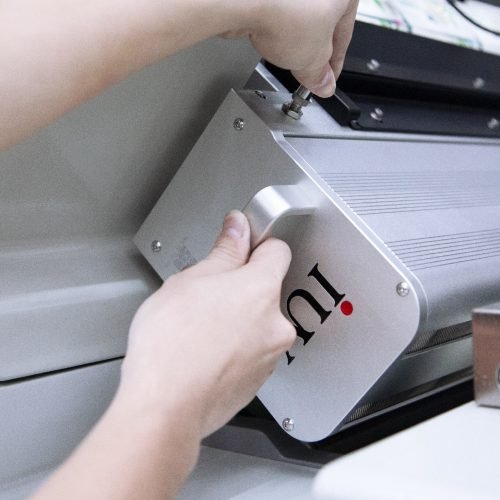
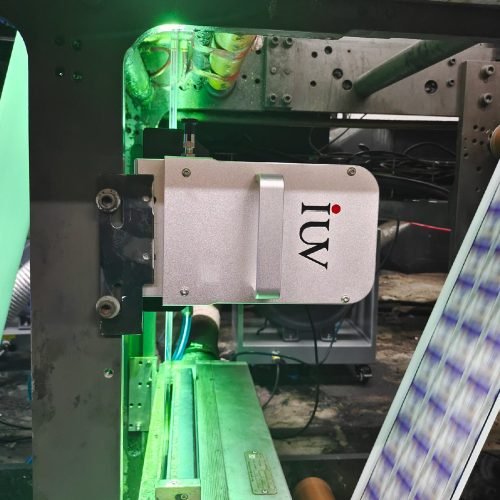
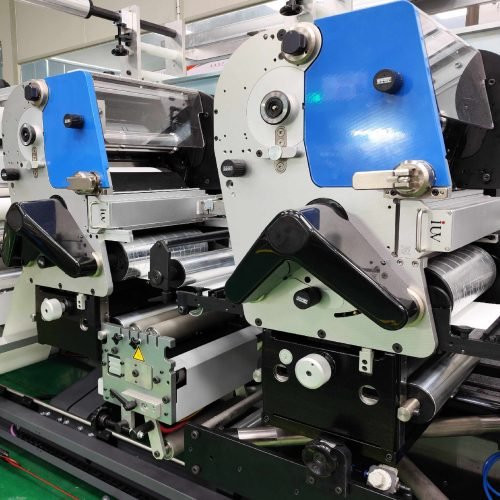
Narrow-web converters working with hybrid presses appreciate LED’s compact form factor. The modular design allows strategic placement around intricate die stations or cold foil units. This spatial efficiency enables inline processes that would overwhelm traditional curing setups.
Material compatibility remains a strong suit. From PET bottles to thermal transfer ribbons, LED systems adapt without missing a beat. The secret lies in tunable spectral output—operators can match specific photoinitiators in inks and coatings without overhauling their entire chemistry lineup.
Maintenance teams breathe easier with LED’s solid-state construction. No bulb replacements, no reflector degradation, no mercury disposal protocols. The predictable decay curve of LED output allows proactive scheduling of module replacements, avoiding unplanned downtime.
As print buyers demand shorter runs and faster turnarounds, LED curing provides the stability needed to profitably handle variable job mixes. It’s not just about keeping pace with technology—it’s about future-proofing operations against evolving market demands while maintaining razor-sharp print quality job after job.