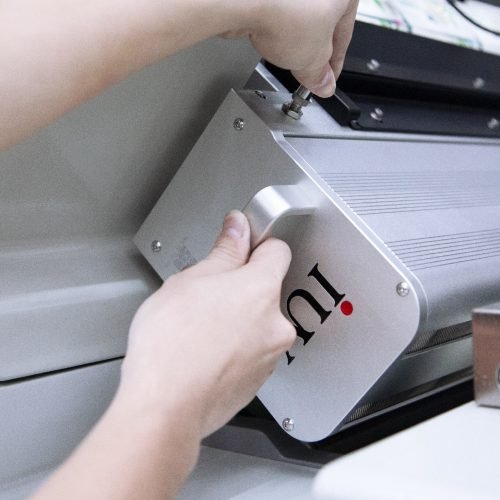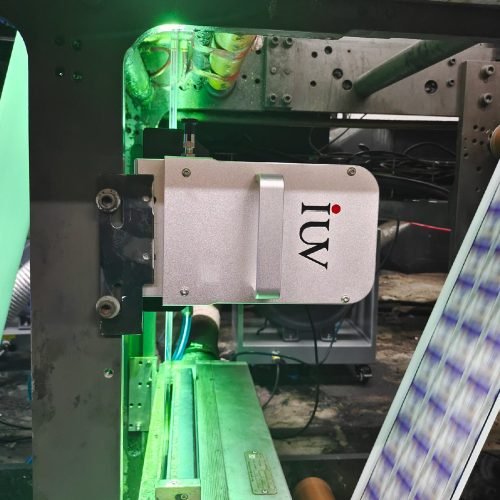
The printing industry constantly evolves, and LED UV technology has become a game-changer for label production. Unlike traditional mercury-vapor lamps, LED UV systems deliver precise energy output across specific wavelengths. This targeted approach creates immediate advantages in curing adhesives, coatings,s and inks – particularly for pressure-sensitive labels, shrink sleeves, and flexible packaging substrates.
One major benefit emerges in color consistency. Traditional curing methods often struggle with heat-sensitive materials, causing substrate warping or ink pigment degradation. LED UV operates at lower temperatures, preserving material integrity while locking colors at their peak vibrancy. This matters tremendously for brands requiring Pantone-matched labels across global production runs.
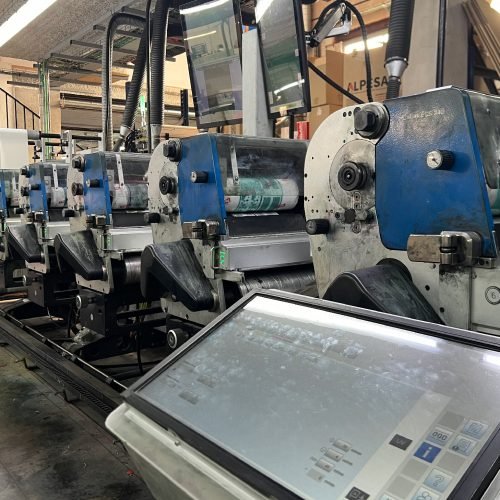
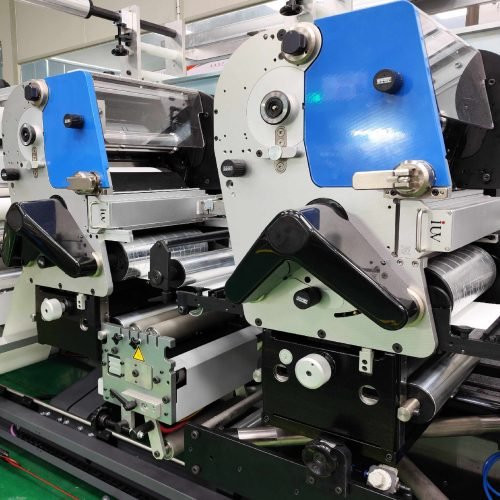
Flexographic printers gain particular advantages. The instant on/off capability of LED UV lamps eliminates warm-up delays, reducing machine downtime between jobs. For short runs and frequent substrate changes – common in label printing – this translates to better throughput without compromising print definition. Dot gain decreases significantly compared to conventional curing, sharpening fine text and intricate graphics that often appear on pharmaceutical labels or premium beverage packaging.
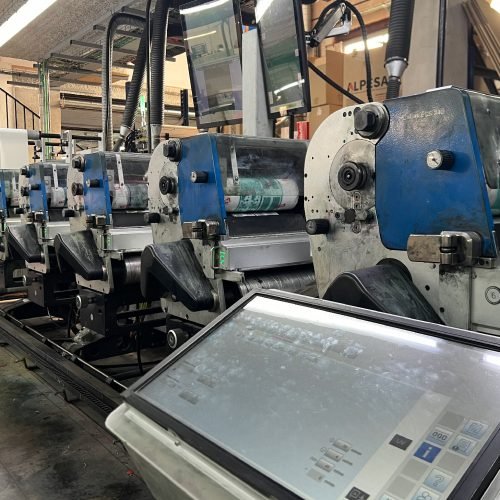
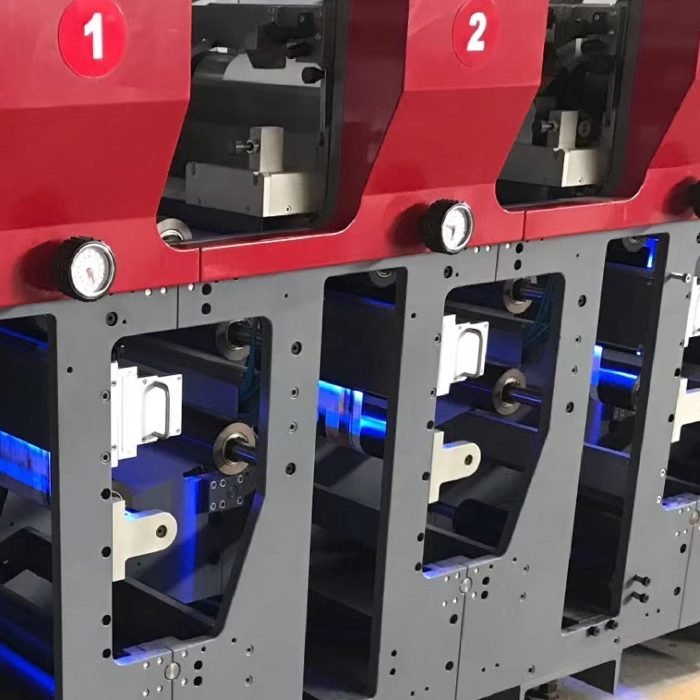
Narrow web presses benefit from the compact size of LED UV arrays. The technology integrates seamlessly into existing press configurations without major retrofitting. Energy consumption drops by up to 70% compared to traditional systems, a critical factor for facilities running multiple shifts. Operators notice fewer ventilation requirements too, since LED UV doesn’t generate ozone or excessive heat during curing.
Substrate versatility expands dramatically. Heat-sensitive materials like thin films, synthetic papers, and even some metallized stocks can now run at higher speeds without distortion. Cold foil stamping achieves better adhesion under LED UV, creating metallic effects that pop off the label. This opens design possibilities previously limited by thermal constraints of older curing methods.
In offset label printing, LED UV accelerates ink polymerization. The result? Smudge-free sheets exit the press immediately, eliminating set-off issues that plague conventional offset workflows. Drying racks become obsolete, floor space gets freed up, and jobs move to finishing stages faster. For water-based coatings, LED UV provides similar instant curing benefits without yellowing over time – a common complaint with solvent-based alternatives.
Environmental factors play an increasing role in technology adoption. LED UV contains no mercury, aligning with global initiatives to phase out toxic substances. The elimination of VOCs (volatile organic compounds) in UV-curable inks meets stringent air quality regulations, particularly important for printers operating in urban areas or eco-conscious markets.
Durability enhancements shouldn’t be overlooked. Labels cured with LED UV resist fading from UV exposure, chemicals, and abrasion better than traditionally cured counterparts. This proves critical for products facing harsh environments – automotive fluids, cleaning agents, outdoor equipment. Scratch resistance improves significantly, maintaining legibility throughout a product’s lifecycle.
Operational cost reductions accumulate through multiple channels. LED lamps last up to 20,000 hours versus 1,000-2,000 hours for mercury bulbs. Fewer lamp changes mean less production downtime and lower maintenance costs. Energy savings compound over time, with some converters reporting ROI within 18 months of switching to LED UV systems.
The technology continues advancing. New photoinitiator formulations enable curing of thicker ink films in single passes. Hybrid systems combining LED UV with other curing methods address niche applications. As material scientists develop substrates with enhanced LED responsiveness, label converters gain access to previously impractical combinations of texture, opacity, and durability.
For brands competing on shelf impact, LED UV provides tools to create labels that withstand closer consumer scrutiny. The technology’s capacity to render crisp gradients, maintain color fidelity, and preserve substrate characteristics gives designers greater creative freedom. In markets where milliseconds of consumer attention determine sales, these quality advantages directly impact bottom lines.
Print providers adopting LED UV position themselves as partners in innovation rather than commodity suppliers. The ability to handle diverse materials with equal proficiency allows clients to consolidate label production across product lines. As sustainability mandates tighten globally, early adopters of mercury-free curing solutions will likely capture market share from competitors clinging to outdated technologies.
Implementation requires careful planning. Matching LED intensity to ink chemistry remains crucial – undercuring leads to adhesion failures while overcuring wastes energy. Pressroom staff need training to optimize lamp settings for different substrates. Successful integration often involves collaboration between printer, ink supplier, and equipment manufacturer to fine-tune variables like lamp wavelength, irradiance, and exposure duration.
The shift toward LED UV reflects broader industry trends: demand for shorter runs, faster turnaround, and sustainable practices. Converters who master this technology can offer clients measurable quality improvements while future-proofing their operations against regulatory changes. As material costs rise and environmental penalties increase, the economic argument for LED UV becomes compelling even for skeptical traditionalists.
Quality-conscious brands already specify LED-cured labels as differentiators. The technology’s ability to maintain consistency across substrates while enabling complex decorative effects creates packaging that communicates premium positioning. For private label producers competing against national brands, these visual and tactile advantages help level the playing field.
Ink chemistry continues evolving alongside hardware developments. New generations of LED-curable inks achieve stretchability previously exclusive to solvent-based systems, expanding into sleeve label markets. Food-safe formulations meet stringent migration limits, crucial for direct-food-contact labels. As R