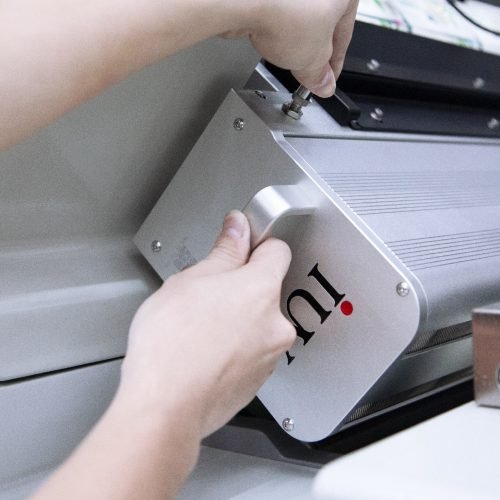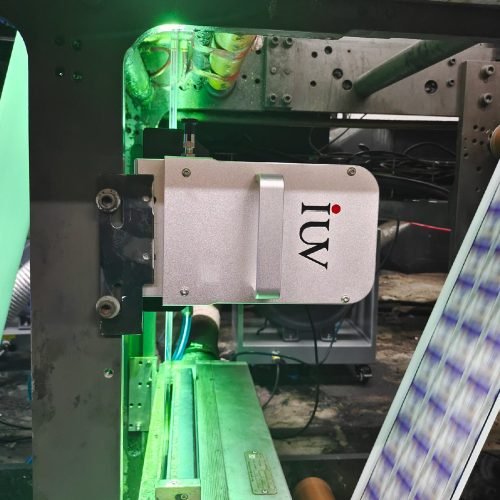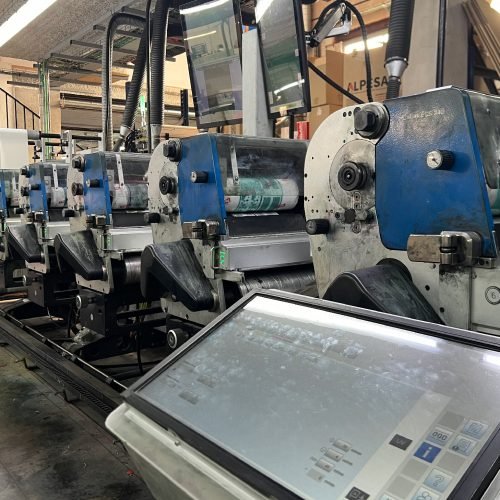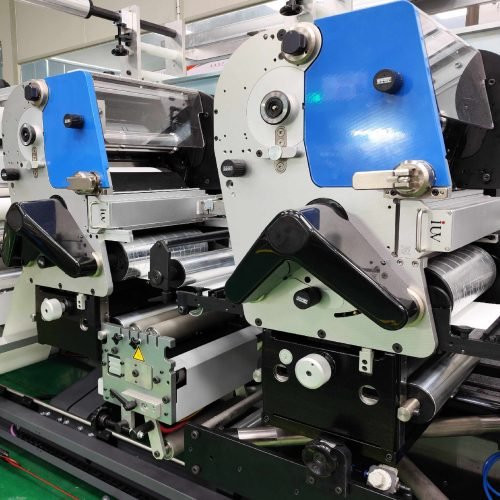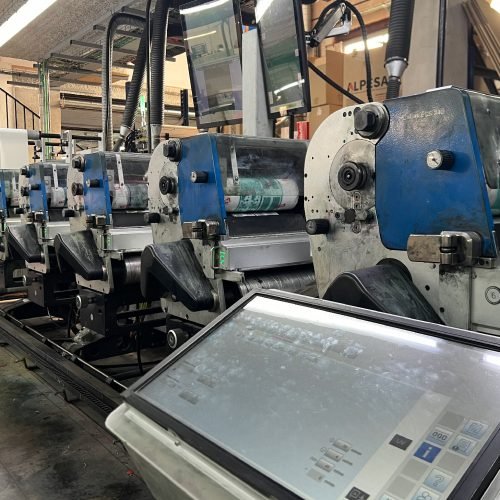

The label printing industry thrives on precision and speed, but energy consumption often becomes the silent profit killer. Traditional UV curing systems guzzle power like marathon runners chugging electrolytes – necessary for function, but costly in the long run. Enter LED UV technology, where mercury-vapor lamps get replaced by surgical-grade light arrays that transform energy efficiency from buzzword to balance sheet reality.
Let’s break down why switching to LED UV isn’t just an upgrade – it’s a complete financial recalibration. Conventional UV systems operate at 200-600 watts per inch, with lamps requiring 10-15 minutes of warm-up time. That’s like leaving your car idling in the driveway before every errand. LED UV units hit full operational capacity instantly at 25-40 watts per inch. For a 10-inch print width running 16 hours daily, that’s the difference between burning through 192 kWh versus 38.4 kWh. At industrial electricity rates, those numbers translate to thousands in annual savings before we even discuss reduced HVAC costs from eliminating infrared heat output.
Flexographic printers working with heat-sensitive substrates understand the hidden costs of thermal management. Traditional UV curing radiates about 70% of its energy as heat, warping thin films and forcing pressrooms into climate control overdrive. LED UV cuts that thermal waste by 80%, maintaining material integrity while slashing cooling expenses. One label converter reported a 40% reduction in air conditioning costs post-LED adoption – savings that compound faster than interest in a bull market.
Offset printers face different challenges. The stop-start nature of sheetfed operations makes mercury lamps’ constant warm-up cycles particularly wasteful. LED’s instant-on capability eliminates this idle energy drain. A Heidelberg Speedmaster XL 75 with LED UV modules demonstrates 30% lower energy use compared to conventional systems, with the added bonus of zero ozone emissions – eliminating the need for expensive ventilation upgrades.
Narrow web converters operating in tight margins gain tactical advantages from LED UV’s precision. The directional nature of LED arrays allows for focused energy delivery, reducing scatter loss. This concentrated output means lower wattage requirements without sacrificing cure speed. UV-A LED systems operating at 395-405 nm wavelengths now achieve cure speeds matching traditional medium-pressure lamps, all while using 60% less energy.
But the real magic happens in operational continuity. Mercury lamps degrade output by 20% within 1,000 hours, requiring frequent replacements that halt production. LED modules maintain consistent intensity for 20,000 hours – that’s 2.5 years of 24/7 operation. For a plant running three shifts, this translates to fewer changeovers, less downtime, and eliminated disposal costs for hazardous mercury-containing lamps.
Smart printers are layering these benefits. By combining LED UV with servo-driven presses and energy monitoring systems, facilities achieve holistic efficiency. Real-time power consumption dashboards reveal previously invisible drains, while predictive maintenance algorithms prevent unplanned stoppages. The result? A 2019 study of European converters showed LED UV adopters achieving 22% faster ROI on new equipment compared to traditional UV users.
Material compatibility concerns once hindered adoption, but modern LED formulations have smashed through those barriers. Low-migration inks now cure perfectly under LED UV, meeting food packaging standards without compromise. Shrink sleeve producers particularly benefit – the cooler curing process prevents premature shrinkage, reducing waste from misregistered graphics.
The financial case becomes undeniable when calculating total cost of ownership. While LED UV modules carry higher upfront costs, the break-even point typically falls between 18-24 months through energy savings alone. Factor in reduced maintenance, longer component lifecycles, and productivity gains from instant-on operation, and the math tilts decisively in favor of LED.
Forward-thinking operations are future-proofing their investments. Modular LED systems allow incremental upgrades as technology advances, unlike traditional UV setups requiring complete overhauls. Some manufacturers now offer retrofit kits for older presses, breathing new efficiency into existing capital equipment.
As sustainability mandates tighten globally, LED UV positions converters ahead of regulatory curves. California’s Title 24 energy codes and the EU’s Ecodesign Directive increasingly penalize inefficient curing methods. Early adopters not only dodge compliance costs but leverage their green credentials in client negotiations – 68% of brand managers now factor sustainability into packaging procurement decisions.
The transition requires strategic planning. Work with ink suppliers to optimize formulations for your specific LED spectrum. Audit existing workflows – that 30% faster curing speed might allow press throughput increases that justify capital expenditure. Train staff on the new technology’s nuances; while LED UV reduces operational complexity, maximizing its potential demands updated best practices.
This isn’t about being environmentally conscious – though that’s a welcome side effect. It’s about cold, hard economics. Every kilowatt-hour saved drops straight to the bottom line. Every avoided lamp replacement keeps presses rolling. Every degree shaved off the shop floor reduces overhead. In an industry where razor-thin margins separate survivors from casualties, LED UV curing isn’t just an equipment choice – it’s a financial survival strategy.
The data speaks clearly: operations embracing this technology gain competitive edges that compound annually. As energy prices fluctuate and sustainability pressures mount, those still clinging to mercury-vapor systems risk becoming cost dinosaurs in an efficiency-driven market. The question isn’t whether to switch, but how fast the transition can be executed without disrupting current workflows.
Savvy converters are already reallocating their energy savings into digital integration and workforce upskilling. They’re the operations that will dictate terms to clients, not scramble to meet price demands. They’re the facilities that will absorb raw material cost hikes without blinking. In the high-stakes poker game of label printing, LED UV technology represents a stacked deck – and the smart players are going all in.