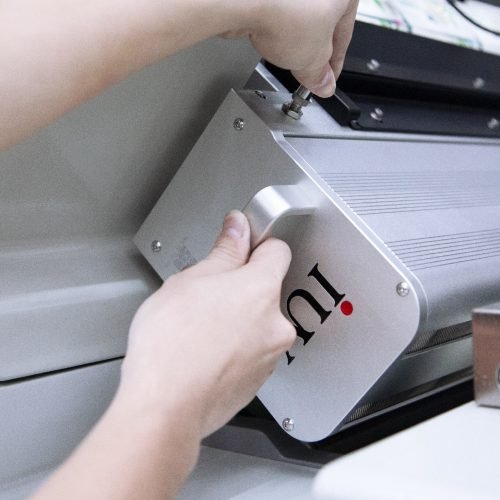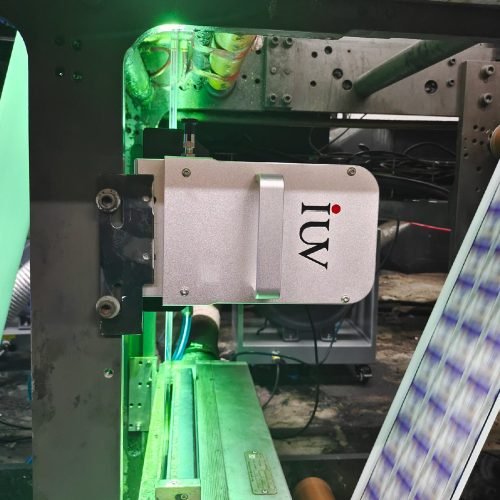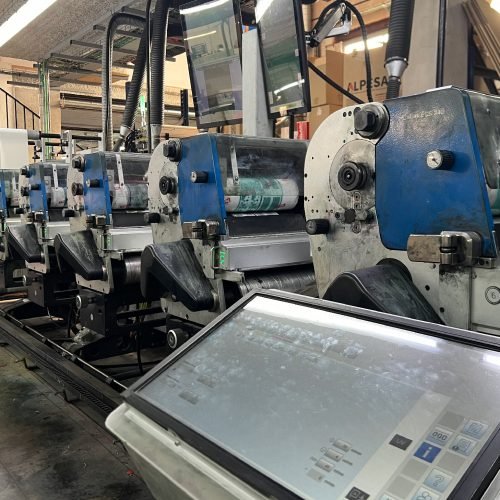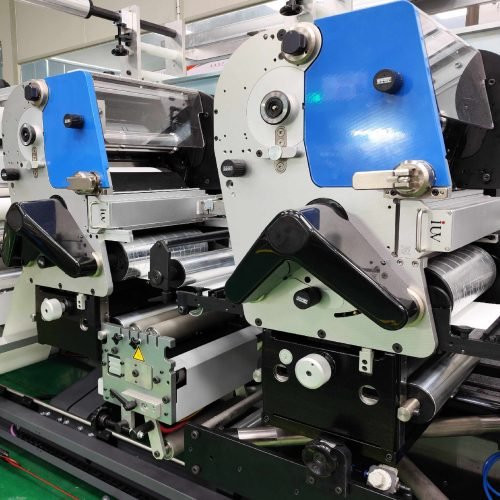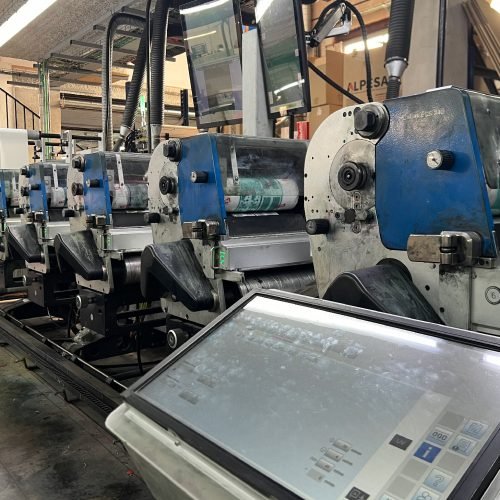
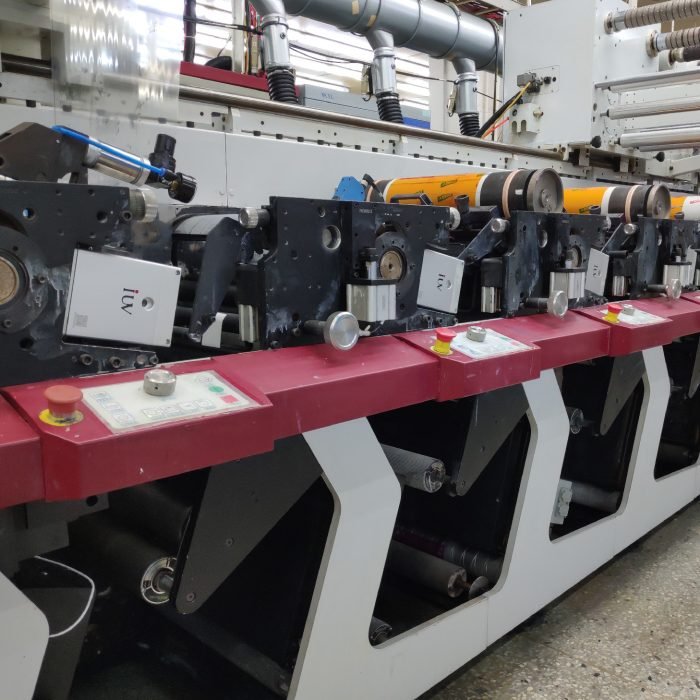
In label production, print quality hinges on precision and consistency. LED curing systems have become game-changers, particularly for flexographic, offset, and narrow-web printing applications. Unlike traditional mercury-vapor UV lamps, LED technology delivers instant on/off capability with targeted wavelength output. This shift eliminates warm-up delays and reduces energy waste while providing superior control over ink curing.
Flexographic printers benefit from LED systems through reduced dot gain. The immediate curing prevents ink from spreading into substrate fibers, maintaining sharp edges on fine text and complex graphics. For labels requiring tactile effects or varnishes, LEDs cure thick ink layers without heat distortion – a common issue with conventional drying methods. Narrow-web presses gain flexibility with LED arrays that adapt to variable web speeds, crucial for short-run customized labels.
Offset printers see fewer blanket contamination issues. Instant curing locks inks in place before they transfer to subsequent units, preserving color integrity. LED-specific UV inks achieve higher pigment concentrations, enabling vibrant Pantone matches without compromising curing efficiency. Specialty substrates like synthetic films and metallic papers cure evenly under LEDs’ consistent output, avoiding warping from excessive heat.
Three factors make LED curing indispensable for modern label shops:
- Spectral precision (365-405nm wavelengths optimize photoinitiator activation)
- Zonal control (adjust intensity per color station)
- Thermal management (surface temps stay below 50°C)
Print operators report 30% faster job turnover since eliminating mercury lamp cooldown periods. The absence of ozone emissions removes ventilation constraints, allowing tighter pressroom layouts. LED systems maintain peak output for 20,000 hours, slashing maintenance costs compared to traditional UV bulbs requiring quarterly replacement.
Color consistency across long runs improves dramatically. LEDs provide stable irradiance without intensity drop-off, ensuring every label batch matches approved proofs. This reliability proves critical for regulated industries like pharmaceuticals, where label color accuracy affects product identification.
As sustainability becomes non-negotiable, LED technology reduces energy consumption by up to 70% compared to conventional curing. The elimination of mercury addresses hazardous waste concerns while complying with RoHS directives. Print buyers increasingly prioritize eco-conscious partners – adopting LED systems positions label converters as environmentally responsible without sacrificing production speed.
Future developments point to tunable wavelength LEDs that could cure multiple ink chemistries simultaneously. Combined with advancing inkjet technologies, this may enable single-pass hybrid printing systems for labels combining CMYK, white, and specialty colors. The marriage of LED curing with digital printing already allows cost-effective short runs of premium-quality labels – a capability reshaping contract packaging and private-label markets.
For converters hesitating to upgrade, consider this: LED retrofits often pay for themselves within 18 months through energy savings and reduced downtime. The technology scales from entry-level benchtop units to full-width web systems, making it accessible for shops of all sizes. As substrate diversity grows and print effects become more sophisticated, LED curing stands as the backbone of quality-driven label manufacturing.