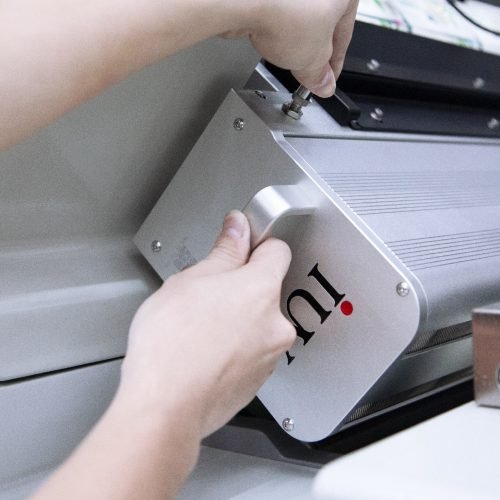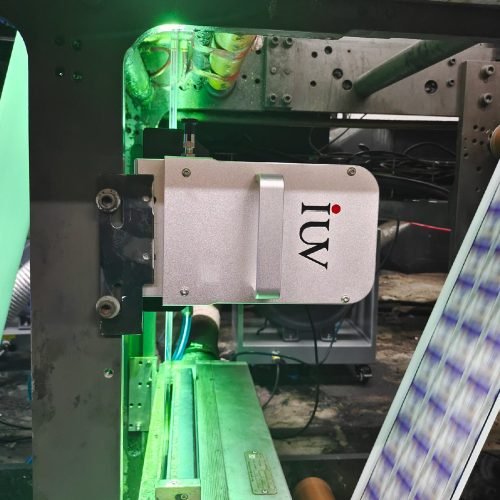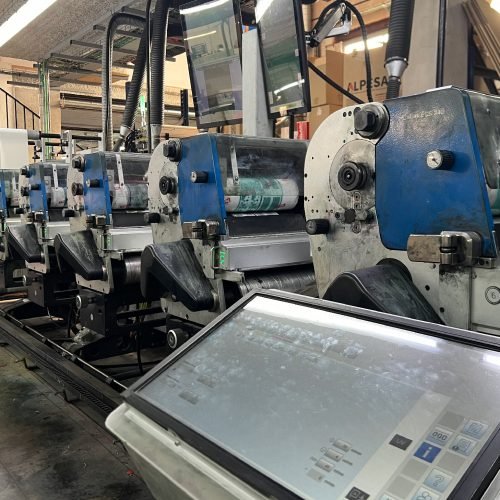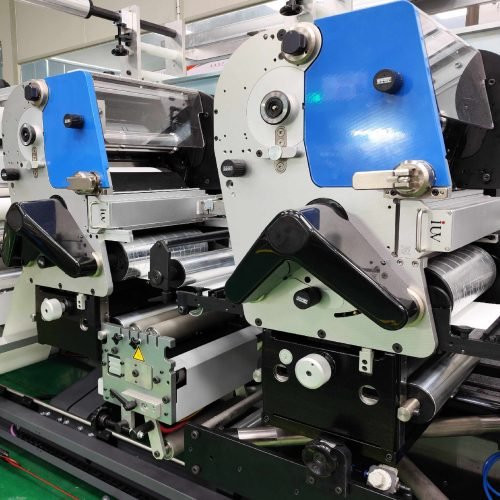
The printing industry has undergone a quiet revolution since LED curing systems entered mainstream production. Unlike traditional mercury vapor lamps that once dominated UV curing, these solid-state light sources bring specific technical advantages that reshape how we approach packaging and label jobs. Their influence extends beyond mere energy savings – though that’s certainly part of the story – into fundamental changes in substrate handling, ink chemistry, and press design.
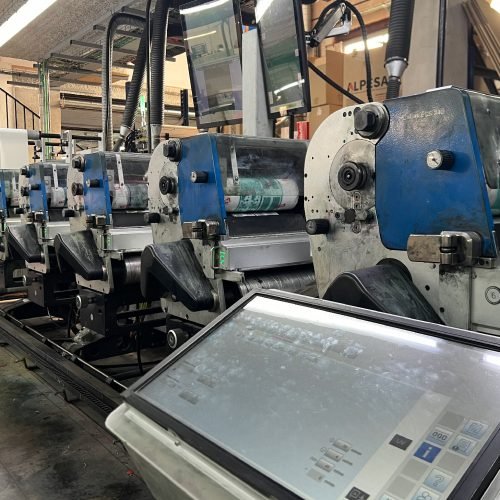
Flexographic printers noticed the difference first. The instant on/off capability of LED arrays eliminated warm-up delays that plagued shift workers for decades. A flexo press operator running pressure-sensitive labels can now initiate curing precisely when the web starts moving, reducing material waste during job changeovers. The directional nature of LED emissions allows for tighter focus on narrow web paths, critical when printing high-resolution barcodes on pharmaceutical labels where legibility impacts regulatory compliance.
Offset printers initially resisted the transition, citing concerns about ink adhesion on coated stocks. However, advanced photoinitiator formulations now enable LED-curable offset inks to bond effectively with everything from metallic PET films to uncoated kraft paper. Sheetfed operations benefit from the absence of infrared heat output – no more cockling when printing premium cosmetic packaging on delicate substrates. The latest hybrid presses combine LED curing units with conventional drying systems, allowing converters to handle mixed-material packaging without retrofitting entire production lines.
Narrow web applications reveal perhaps the most dramatic transformations. LED systems enable shorter wavelength curing (down to 365nm) without the spectral pollution of mercury bulbs. This precision matters when printing sequential lot codes on medical device packaging, where over-curing can cause brittle inks to flake off sterilization-resistant materials. The compact form factor of LED arrays also allows for multiple curing zones in limited spaces, crucial for inline processes like cold foil stamping on premium liquor labels.
Substrate compatibility has expanded in unexpected directions. Heat-sensitive materials like thin-gauge PP films and shrink sleeves once required careful balancing between cure speed and distortion risks. LED systems remove thermal variables, enabling faster line speeds for beverage shrink sleeves without compromising dimensional stability. Converters report 18-23% productivity gains on IML projects where consistent curing across complex mold geometries was previously unachievable.
Ink chemists have responded to LED technology with tailored formulations. Photoinitiator packages now target specific LED wavelengths, reducing residual compounds that could migrate into food contact surfaces. This development proves critical for flexible packaging converters needing to meet FDA 21 CFR compliance while maintaining cure speeds above 200 fpm. The elimination of mercury also aligns with brand owners’ sustainability mandates – a key differentiator when bidding for contracts with eco-conscious retailers.
Press manufacturers have rethought component placement. With LED arrays generating minimal ambient heat, anilox rolls and doctor blades operate at lower temperatures, extending service intervals. One corrugated post-print operation documented a 40% reduction in anilox replacement costs after switching to LED-cured water-based inks. The technology’s compatibility with air-cooled systems also simplifies retrofitting older presses, avoiding costly ventilation upgrades in facilities with space constraints.
Operational cost profiles shifted noticeably. While the upfront investment in LED systems gives pause to some converters, the total cost calculus changes when factoring in mercury lamp replacement cycles and power consumption patterns. A label converter running three shifts can recoup the capital outlay within 14-18 months through reduced energy bills alone. Maintenance teams appreciate the elimination of bulb indexing and reflector cleaning routines – hours previously spent on lamp house upkeep now get redirected towards preventive maintenance on critical press components.
The environmental narrative resonates beyond corporate sustainability reports. LED systems’ mercury-free operation eliminates hazardous waste disposal costs and associated regulatory paperwork. Wastewater treatment becomes less complex without mercury contamination risks, particularly beneficial for printers handling food-grade materials. Some forward-thinking plants have leveraged their LED adoption into marketing collateral, showcasing reduced carbon footprints to clients under pressure to meet Scope 3 emissions targets.
On the shop floor, the human factors matter. Press operators no longer work under the intense heat of mercury lamp housings, reducing fatigue during long runs. The absence of ozone generation from short-wavelength UV emissions allows for safer work environments, particularly in facilities with limited air exchange. Quality control technicians note improved consistency in cure levels across shifts, as LED output doesn’t fluctuate with ambient temperature changes like thermal-dependent mercury systems.
Looking ahead, the integration of LED curing with digital printing platforms suggests new possibilities. Hybrid systems combining inkjet deposition with instant LED curing could enable on-demand printing of variable data packaging without compromising cure quality. As LED wavelengths continue to diversify, we might see single-pass systems that handle both curing and color measurement in-line, closing the loop between color management and physical output. For now, converters who’ve adopted LED technology report fewer production bottlenecks, greater material flexibility, and an unexpected competitive edge in markets where sustainability certifications influence purchasing decisions.