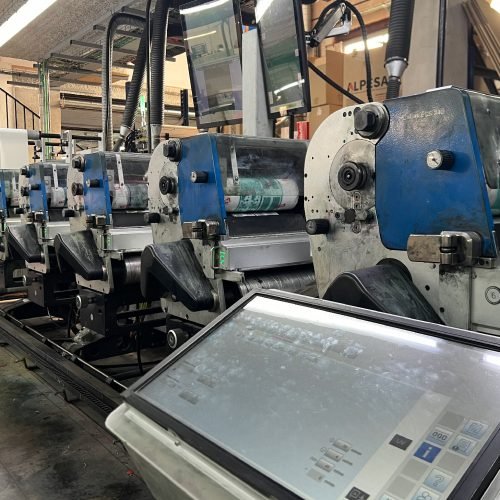
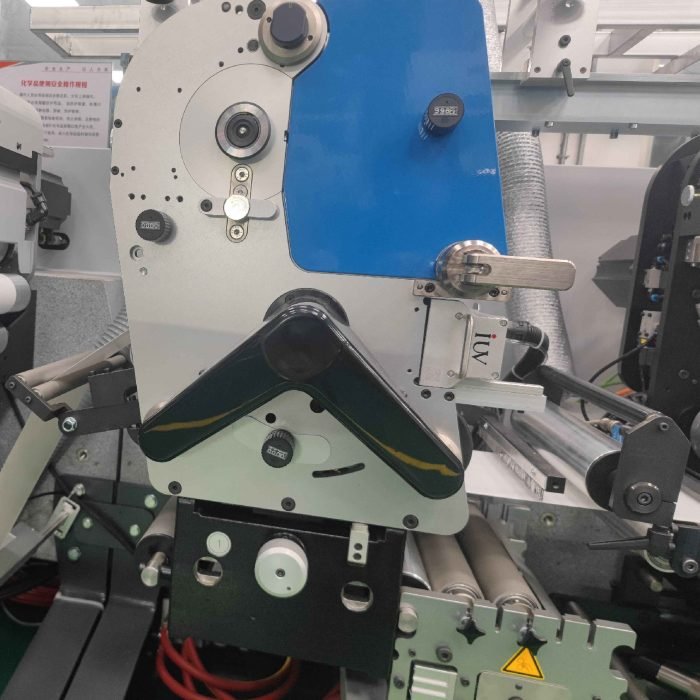
The intersection of LED curing systems and UV ink chemistry has quietly revolutionized how modern print shops operate. Unlike traditional mercury-vapor lamps, LED-UV technology doesn’t rely on brute-force heat or broad-spectrum light. Instead, it uses precisely tuned wavelengths to trigger photochemical reactions in inks and coatings. This shift matters because it changes everything from energy consumption to print quality – particularly in niche applications like label production and narrow-web flexo printing.
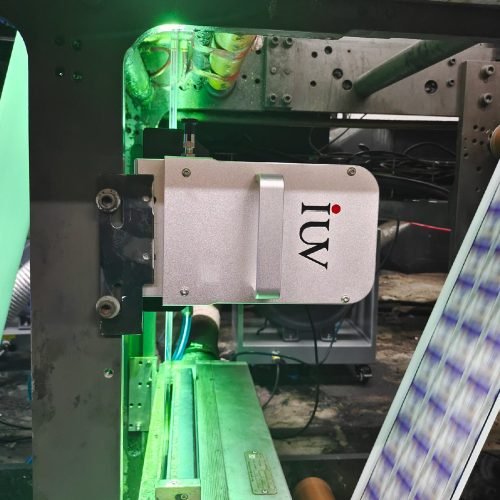
At its core, LED curing works through photoinitiators in UV inks absorbing specific light frequencies. These compounds break down into reactive species when exposed to 365-405nm wavelengths (the sweet spot for most LED systems). The resulting polymerization happens in milliseconds, creating durable prints without solvent evaporation. For substrates like heat-sensitive PET labels or thin films used in flexible packaging, this cold-cure process prevents warping – a persistent headache with conventional drying methods.
Modern UV inks balance reactivity with stability. Formulations for LED systems avoid relying solely on traditional photoinitiators like benzophenone, which require higher-energy UV light. Instead, they incorporate amine synergists and oligomers designed to respond to narrower wavelength ranges. This specificity allows printers to fine-tune curing parameters for different applications. In offset printing, where ink film thickness varies, modified acrylate resins help maintain consistent cure rates across solid areas and halftones.
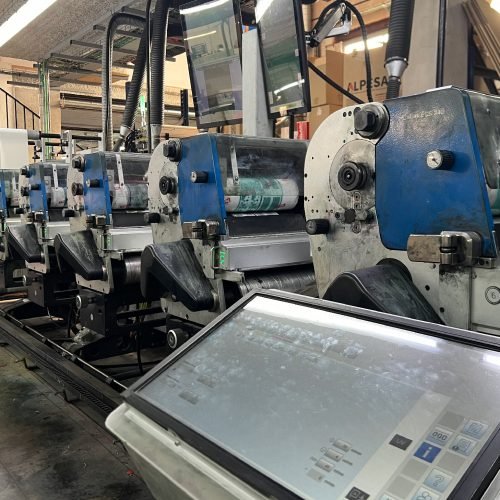
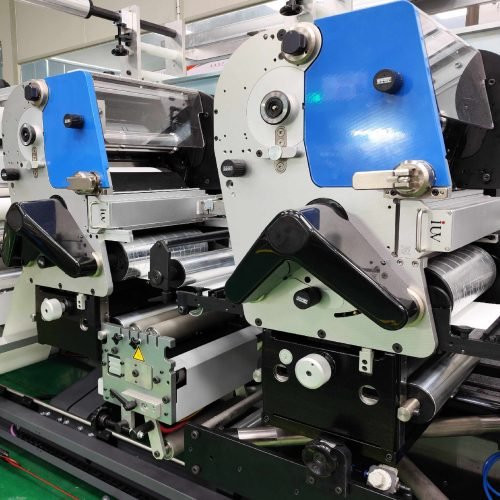
The real magic happens when these technologies meet specific printing processes. Take flexographic printing on pressure-sensitive labels: LED curing enables inline processing of tactile varnishes without melting adhesive layers. For sheetfed offset shops running mixed substrates, instant curing eliminates set-off issues when stacking coated and uncoated stocks. Narrow-web converters particularly benefit from reduced ozone generation – a critical factor in confined production spaces.
Energy efficiency stats often dominate LED discussions, but the operational advantages run deeper. Consider maintenance cycles: Mercury lamps degrade predictably, requiring scheduled replacements to maintain cure speed. LED arrays maintain consistent output for 20,000 hours, allowing shops to track productivity in months rather than lamp-life percentages. This reliability matters for high-volume tag and label producers where unexpected downtime directly impacts fulfillment timelines.
Substrate compatibility has expanded dramatically. Early LED systems struggled with opaque white inks and thick coatings due to light penetration limits. Current generation high-intensity LEDs (some exceeding 20W/cm²) combined with optimized photoinitiator packages now cure opaque layers in single passes. This breakthrough supports applications like durable industrial labels requiring multiple opaque undercoats beneath color graphics.
The environmental narrative around LED-UV often focuses on energy savings, but the waste reduction angle proves equally compelling. Instant curing enables immediate post-print processing – no waiting for inks to air-dry means fewer handling defects in heat-transfer applications. For security printers using reactive inks that change color under specific conditions, LED curing’s precision prevents premature activation during production.
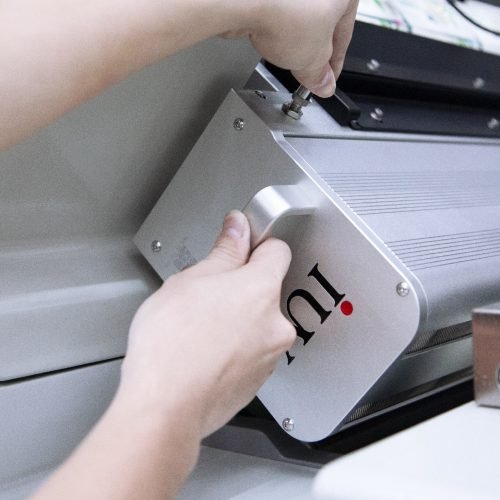
Print shops exploring LED adoption should evaluate their entire workflow. While retrofitting existing presses with LED arrays is possible, optimal results come from systems designed ground-up for UV curing. Key considerations include:
- Spectral output matching ink supplier specifications
- Cooling system efficiency (maintaining diode temperature affects wavelength stability)
- Reflector geometry ensuring even irradiance across web widths
- Compatibility with existing ink management systems
Future developments point toward smarter curing control. Some press manufacturers now integrate real-time Raman spectroscopy to monitor polymerization completeness without slowing production. Others experiment with variable-wavelength LEDs that adapt to different ink formulations within a single print job. As regulatory pressure grows on traditional UV systems (particularly regarding ozone byproducts), LED technology positions itself as the obvious successor for sustainable print manufacturing.
For printers straddling conventional and digital methods, LED-UV offers a bridge technology. Hybrid systems allow applying variable digital prints over LED-cured offset undercoats, combining the strengths of both processes. In packaging sectors requiring fast turnaround for short runs, this flexibility becomes a competitive differentiator. The science behind these systems keeps advancing, but the practical benefits – from sharper dots in flexo printing to reduced VOC emissions – already make a compelling case for adoption across print disciplines.