The printing industry is transforming faster than a UV-cured ink droplet hitting substrate. At the heart of this revolution? Two game-changers rewriting production rules: intelligent automation and LED curing systems. Let’s explore how these technologies reshape label, flexo, offset, and narrow web printing while solving age-old production challenges.
Smart Automation’s Quiet Takeover
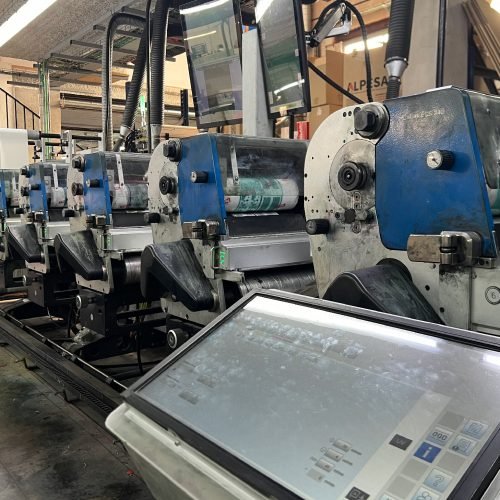
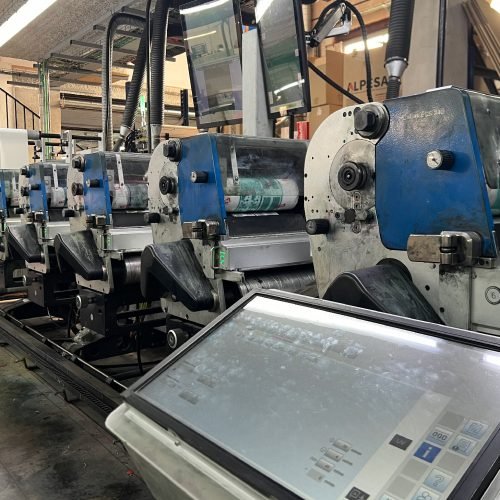
Modern print shops now deploy self-adjusting presses that compensate for material variations in real time. A European label converter recently cut waste by 38% using vision systems that automatically detect registration errors during flexo printing. These systems don’t just flag issues – they recalibrate die-cutting units and adjust ink viscosity without human intervention. For narrow web applications, automated web tension control maintains perfect registration at 200 meters/minute, even when switching between delicate films and rigid substrates.
LED UV Curing: Beyond Energy Savings
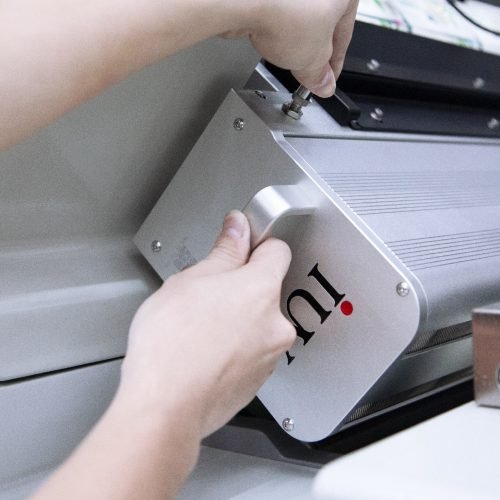
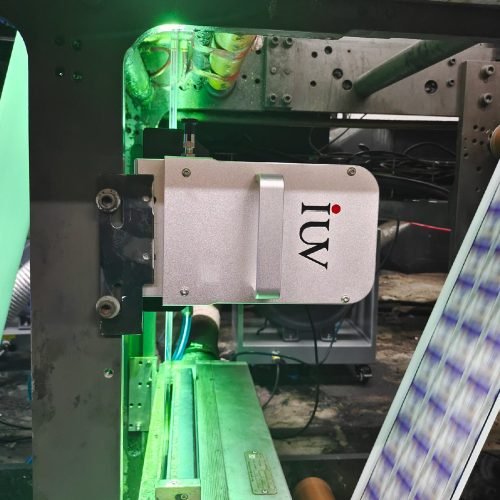
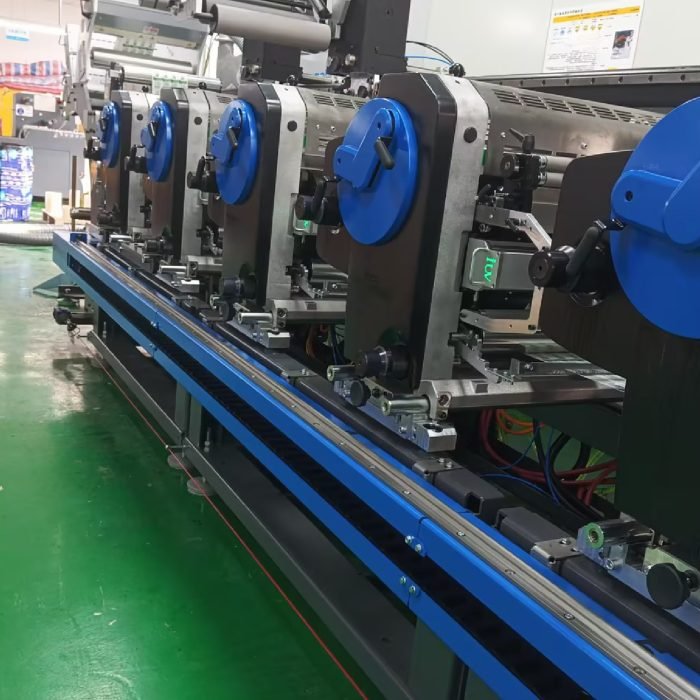
While 60% energy reduction compared to mercury lamps grabs headlines, LED’s real value lies in enabling previously impossible print applications. Consider cold curing for heat-sensitive PET labels – a feat traditional UV systems couldn’t achieve without warping substrates. New 395nm LED arrays cure thick opaque whites in a single pass for premium wine labels, eliminating traditional multi-stage drying. The latest hybrid systems combine instant curing with inline quality control, scanning every inch of UV-cured packaging foils at production speeds.
Flexo’s Digital Makeover
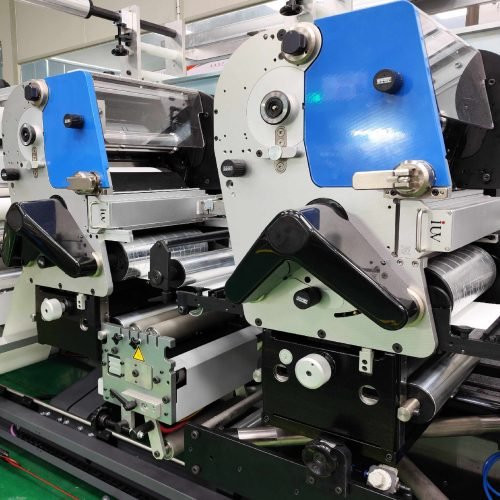
Modern flexographic printing now marries analog flexibility with digital precision. Automated plate mounting systems achieve micrometer-level accuracy, while AI-driven anilox rollers optimize ink transfer for different substrates. A North American converter recently achieved 95% first-pass yield on shrink sleeve jobs by integrating LED curing with automated color matching. The kicker? They’re running water-based inks cured at wavelengths tuned to specific pigment properties.
Offset’s Counterattack
Don’t count out offset in the digital age. Automated litho presses now achieve changeover times rivaling digital machines. One Japanese printer combines UV-LED curing with robotic plate changers to switch between 4-color business cards and metallic packaging in under 7 minutes. The secret lies in LED’s instant-on capability – no more waiting for mercury lamps to reach operating temperature between jobs.
Narrow Web’s Broad Impact
Narrow web isn’t so narrow anymore. With LED curing enabling faster speeds on thinner materials, converters produce everything from medical device labels to flexible electronics. A German manufacturer now prints conductive silver traces on PET substrates at 30m/min, cured by specialized UV-LED arrays that polymerize inks without damaging temperature-sensitive components.
The Sustainability Play
Automation and LED curing create unexpected environmental wins. One UK plant reduced VOC emissions by 72% by switching to LED-curable inks with closed-loop solvent recovery. Automated ink dispensing systems now achieve near-zero waste, mixing exact quantities needed for each job. Even maintenance gets greener – LED systems require no mercury disposal or frequent lamp changes.
The Human Factor
Skilled technicians now focus on creative problem-solving instead of manual adjustments. A veteran press operator described the shift: “It’s like going from driving stick shift to piloting a spacecraft. The machine handles the grind, while we optimize the art.” This evolution creates new hybrid roles blending traditional print expertise with mechatronics know-how.
As these technologies mature, early adopters report 40% faster job turnover and 30% higher margins. The future belongs to shops leveraging automation for flawless repetition and LED systems for material innovation. One thing’s certain – in an industry where seconds and microns matter, the combination of smart machines and precision curing is printing money in more ways than one.