The printing industry thrives on precision and speed. When it comes to curing inks and coatings, traditional mercury vapor lamps have dominated for decades. But LED UV curing systems are rewriting the rules – especially for label, flexo, offset, and narrow web applications. For print shops considering equipment upgrades, understanding the real financial implications of switching to LED technology separates temporary trends from game-changing investments.
Energy consumption forms the first layer of ROI calculation. Mercury lamps operate at full power continuously, even during idle periods. LED systems activate only when needed, with instant on/off capabilities reducing energy waste. A mid-sized label press running two shifts can see 60-70% reduction in curing-related electricity costs within the first year. Unlike conventional systems requiring 15-30 minute warm-ups, LED units achieve operational intensity within microseconds – eliminating energy drain during machine start-ups and job changeovers.
Maintenance costs tell another part of the story. Traditional UV lamps degrade over time, requiring replacement every 1,000-2,000 hours. LED arrays maintain consistent output for 20,000 operational hours. The elimination of bulb replacements, reflector cleaning, and mercury disposal fees adds up. One packaging converter reported saving $18,000 annually in maintenance alone after retrofitting their flexo presses with LED curing units.
Downtime reduction proves crucial in high-volume environments. Mercury lamp systems force production halts during cooling periods for bulb changes. LED technology enables true 24/7 operation without performance decay. For a narrow web printer handling rush pharmaceutical labels, this uninterrupted workflow translated to 22% increased monthly output. Faster curing speeds also allow presses to run at higher velocities – a 40m/min flexo press upgraded to LED UV reportedly achieved stable operation at 55m/min without quality compromises.
Material compatibility concerns often surface during LED adoption discussions. Modern LED formulations now cure a wide range of UV inks, varnishes, and specialty coatings. Major ink manufacturers like Flint Group and Siegwerk offer LED-specific formulations for label stocks, shrink sleeves, and flexible packaging. The cooler operating temperatures of LED systems prevent substrate distortion in thin film applications – a critical advantage for printers handling heat-sensitive materials.
Environmental regulations are reshaping the industry landscape. Mercury lamp phase-outs under the Minamata Convention have already begun in multiple regions. Early adopters of LED UV curing position themselves ahead of compliance deadlines while appealing to eco-conscious clients. The elimination of ozone generation and mercury-containing components aligns with corporate sustainability goals. A European label printer secured three major retail contracts specifically citing their mercury-free production process as a deciding factor.
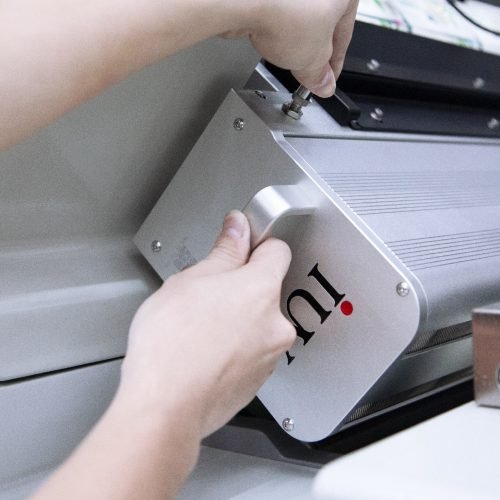
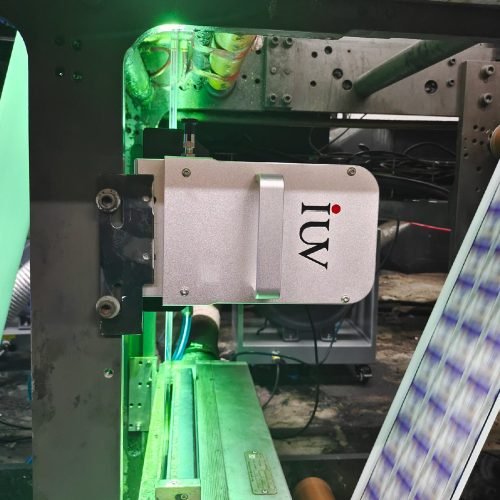
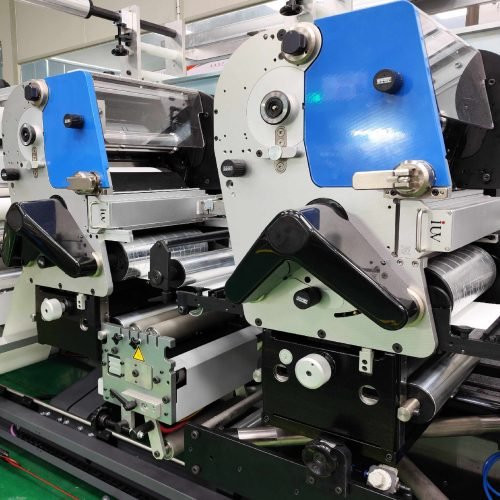
Space optimization becomes an unexpected benefit. LED curing units have smaller footprints than traditional lamp houses. This allows retrofitting into existing press configurations without major modifications. One commercial offset printer managed to add a coater unit in the space saved by switching to LED curing, creating new revenue streams without expanding their facility.
The long-term advantages extend beyond direct cost metrics. LED UV curing enhances color consistency across runs due to stable spectral output. Printers report 30-40% reduction in waste from curing-related defects. The instant curing capability enables innovative applications like water-based UV inks on absorbent substrates – a growing niche in food packaging. As hybrid printing systems gain traction, LED technology’s compatibility with digital inkjet heads future-proofs operations.
Workplace conditions improve dramatically with LED adoption. Removal of infrared radiation and ozone emissions creates safer environments. Print operators experience less heat stress during extended runs. A Canadian packaging plant saw a 45% drop in HVAC costs after eliminating the need to compensate for mercury lamp heat output.
For specialty printers, LED curing unlocks new markets. Cold foil stamping, tactile varnishes, and temperature-sensitive substrates become viable with precise energy control. A label converter specializing in craft beverages leveraged LED UV to handle heat-sensitive biodegradable films, capturing a premium market segment competitors couldn’t touch with conventional curing systems.
The initial investment in LED technology often gives pause, but creative financing options exist. Many manufacturers offer lease-to-own programs with maintenance packages. Government incentives for energy-efficient equipment upgrades further offset costs. A Midwest printer combined utility rebates with production savings to achieve full ROI in 14 months – two months faster than projected.
As UV LED chips continue advancing, system costs keep decreasing while wavelengths become more tunable. Early adopters gain dual advantages – immediate operational savings and infrastructure ready for next-gen UV materials. The true value lies in positioning print businesses as technology leaders, capable of handling jobs that straddle conventional and emerging market demands. In an industry where razor-thin margins meet relentless quality expectations, LED curing systems aren’t just about keeping pace – they’re about redefining what’s possible in print production.