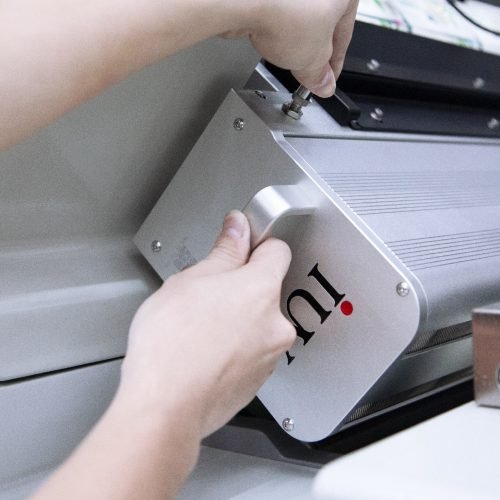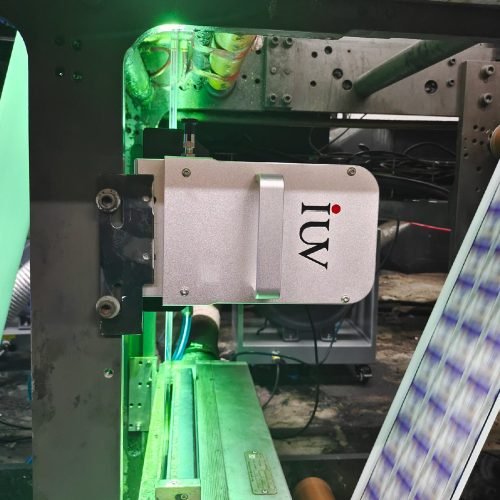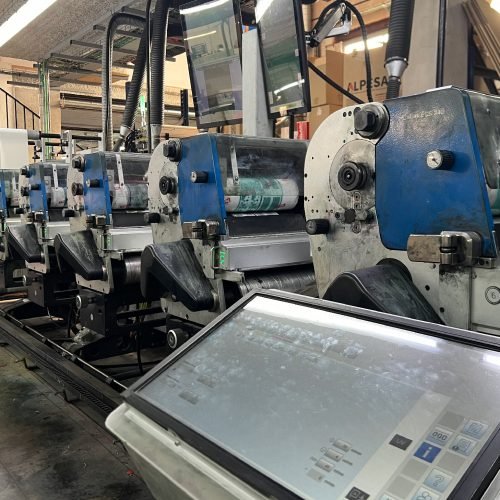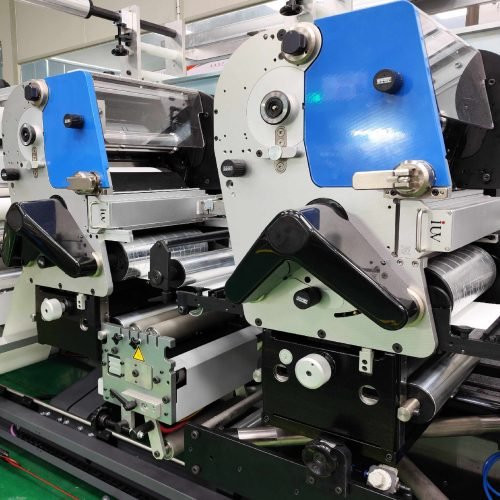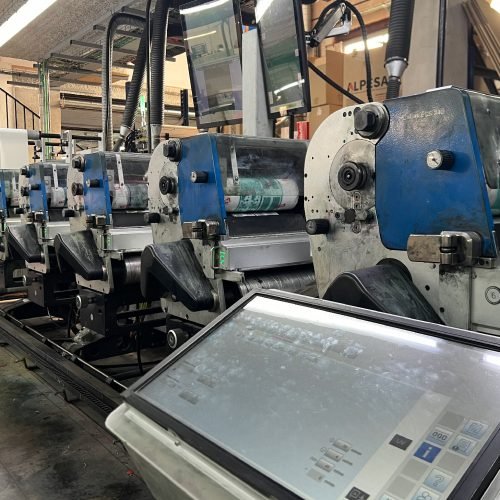
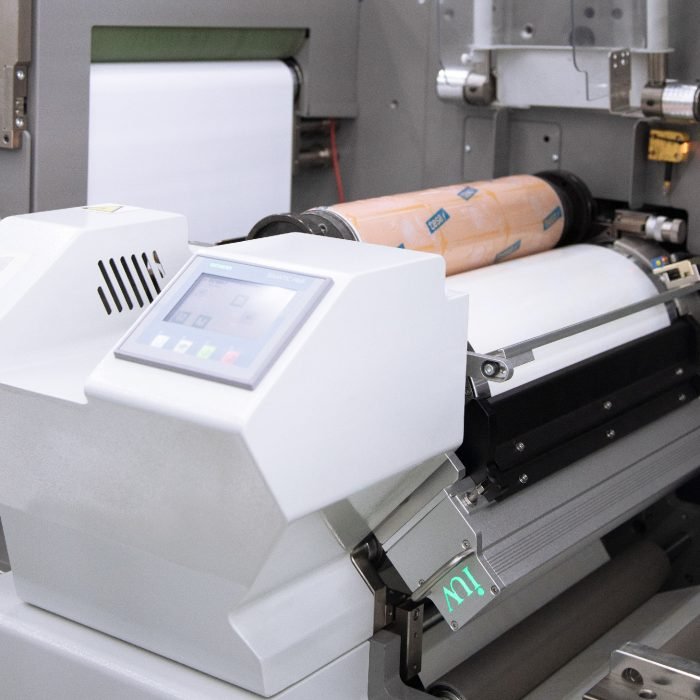
The demand for precision in high-speed narrow web printing pushes technology to its limits. Every component must perform flawlessly under intense time constraints. LED curing systems have emerged as a game-changer for label production, flexible packaging, and specialty printing applications where milliseconds determine profitability. Unlike traditional mercury-vapor lamps, these solid-state light sources deliver targeted UV energy without the thermal baggage that distorts delicate substrates.
Narrow web presses operating at 300 feet per minute require curing solutions that match their velocity. Mercury lamps struggle with this tempo – their warm-up cycles create production bottlenecks, while excessive infrared output forces press operators to choose between cure quality and material integrity. LED arrays eliminate this compromise. Instant-on capability allows press starts without delay, while precise spectral control directs UV energy exactly where needed. A 395-410nm wavelength range proves ideal for initiating photopolymerization in modern inks and coatings, achieving full cure without overheating temperature-sensitive films.
Label converters face unique challenges with pressure-sensitive materials and metallic substrates. Thermal expansion differences between facestock and adhesive layers can cause registration issues under conventional curing. LED systems maintain substrate temperatures within ±2°C during high-speed runs, preserving dimensional stability for intricate kiss-cut labels. The absence of ozone generation removes ventilation constraints, enabling tighter pressroom layouts without compromising worker safety.
Flexographic printers benefit from LED’s ability to handle thin-gauge films. A major beverage label producer reduced waste by 18% after switching to LED curing, as their 12-micron polyester films stopped warping during production. The directional nature of LED emissions allows precise beam focusing, crucial for maintaining cure consistency across variable print widths. Rotary screen units and inline coating stations now integrate modular LED arrays that adjust output in real-time based on web speed sensors.
Offset printers adopting UV technology face different hurdles. The viscous nature of UV inks demands perfect synchronization between transfer rollers and curing units. LED systems with pulsed operation modes provide the necessary control, delivering microsecond-level energy bursts that cure thick ink films without overheating metal plates. A European security printer achieved 40% faster job turnover using LED-cured intaglio inks, as immediate substrate cool-down enabled instant finishing operations.
Energy consumption comparisons reveal stark advantages. Traditional UV systems waste 60-70% of their power as heat, while LED units convert over 85% of electrical input into usable UV energy. This efficiency translates to operational savings – a Midwest converter reported $12,000 monthly reduction in power costs after retrofitting their 10-color press with LED modules. The elimination of bulb replacements and reduced HVAC load contribute to a 14-month ROI calculation for most narrow web operations.
Material compatibility continues to expand as chemists reformulate for LED-specific wavelengths. New photoinitiator packages enable curing of white inks that previously required dual-wave mercury systems. Hybrid formulations now allow gradual transition strategies – printers can mix LED-cured and conventional UV inks within the same job while upgrading equipment. This flexibility proves vital for operations running legacy substrates alongside new material innovations.
Maintenance protocols differ significantly from traditional systems. LED curing units require no reflector cleaning or electrode replacements, but demand strict thermal management. Advanced heat-sink designs with predictive failure algorithms help prevent downtime. A Canadian printer implemented IoT-enabled LED arrays that automatically adjust cooling fan speeds based on real-time junction temperature readings, extending module lifespan beyond 15,000 operational hours.
The shift toward LED curing intersects with broader industry trends. Digital hybrid presses particularly benefit from the technology’s compact footprint and variable output control. One OEM integrated LED arrays directly into print cylinders, achieving cure distances under 5mm for maximum energy transfer efficiency. This configuration supports printing on heat-sensitive materials like shrink sleeves, where even moderate temperature spikes cause distortion.
As regulatory pressure mounts against mercury-based technologies, LED systems offer a compliant path forward. The Minamata Convention’s phase-out schedule aligns perfectly with current LED adoption rates in narrow web markets. Early adopters position themselves favorably against competitors still grappling with mercury disposal costs and workplace safety audits.
Future developments focus on spectral tuning capabilities. Adjustable-wavelength LED systems now in prototype stages could replace multiple lamp types with a single array. This adaptability will prove critical as brand owners specify exotic substrates requiring customized cure profiles. The combination of LED curing with electron beam technology shows promise for specialty applications needing through-cure on opaque materials.
Print operators should evaluate LED systems through the lens of total cost of ownership rather than upfront investment. The technology’s impact extends beyond curing – it influences ink selection, substrate options, and even workflow design. As run lengths shorten and changeovers increase, the ability to switch curing parameters instantly becomes a competitive advantage. Manufacturers offering modular LED units with quick-change cartridges help converters future-proof their operations against evolving market demands.