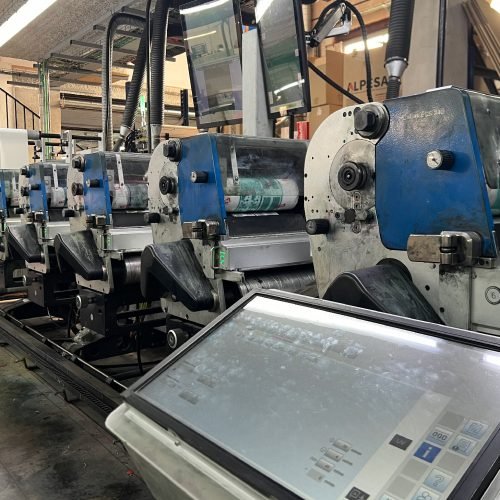
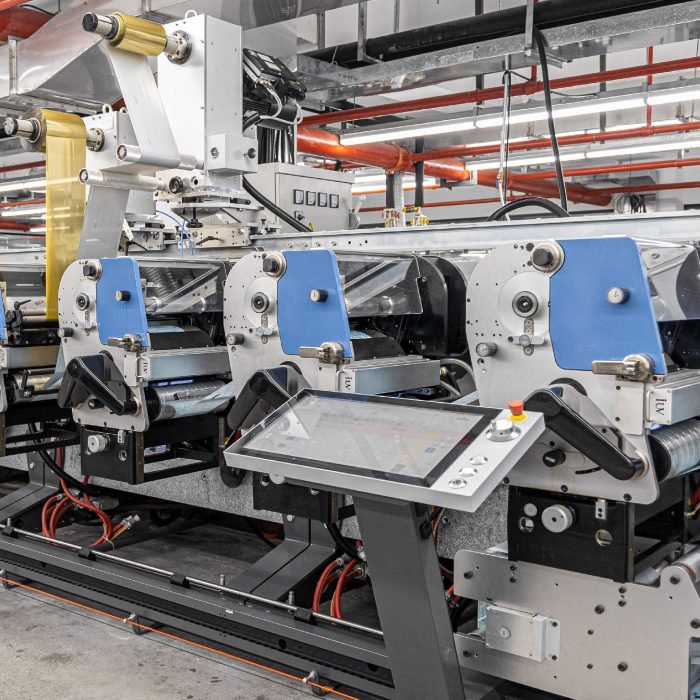
Integrating UV LED curing systems into flexographic presses isn’t just a trend—it’s a practical shift reshaping how operators handle label production, narrow-web jobs, and flexible packaging. For press teams accustomed to traditional mercury vapor lamps, the transition demands equal parts technical know-how and willingness to adapt workflows. Let’s break down what matters when retrofitting or upgrading your equipment.
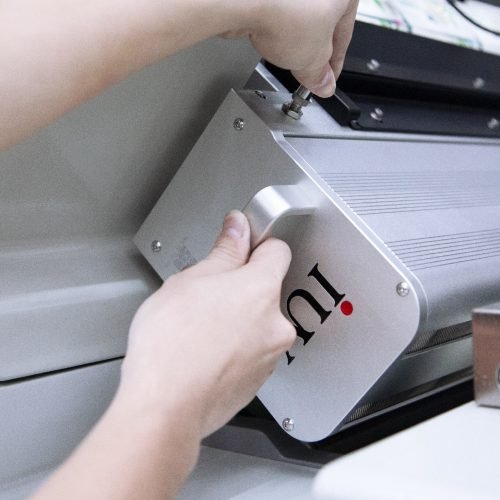
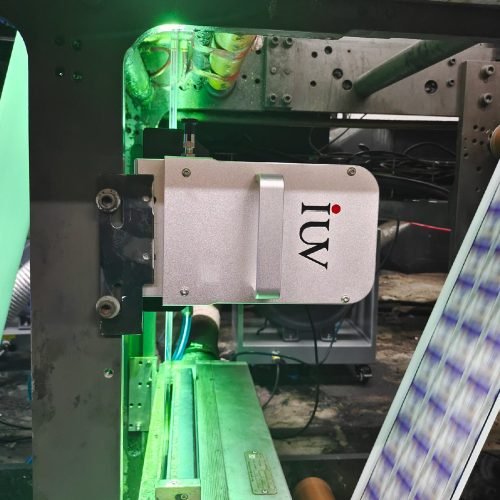
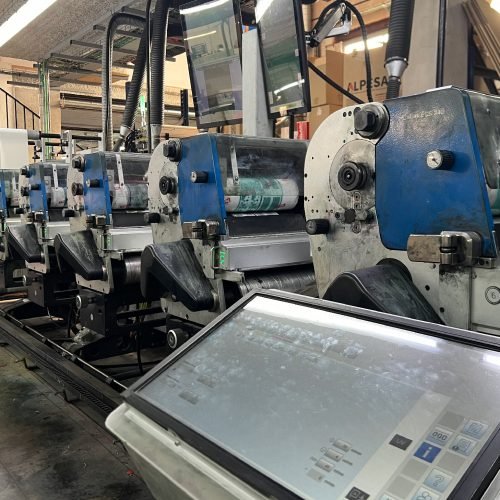
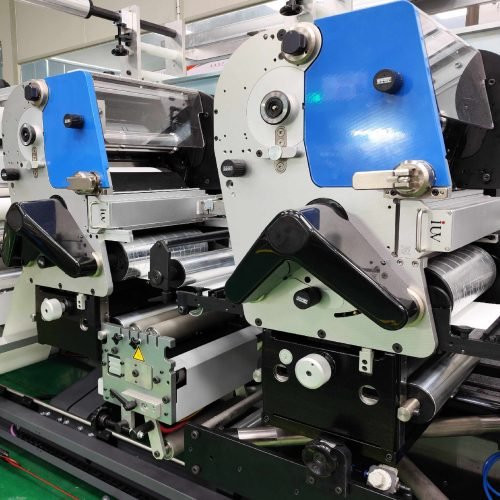
Start by evaluating your existing press configuration. UV LED units work best when paired with servo-driven print stations, where precise control over curing parameters becomes possible. Older mechanical presses might require additional retrofitting to handle the instant on/off capabilities of LED systems. Check whether your press frame has space for LED lamp arrays—their compact design often fits into tight spaces mercury bulbs couldn’t, but proper heat dissipation channels remain critical.
Ink compatibility tops the list of operational concerns. While major ink suppliers now offer LED-curable formulations, not all behave identically under 365-405nm wavelengths. Run tests with your preferred substrates—pressure-sensitive labels, shrink sleeves, or thin films—to verify adhesion and cure efficiency. Narrow-web operators often juggle short runs; quick-change LED settings for different ink batches can slash makeready times if dialed in correctly.
Peel back the layers of energy savings, and you’ll find subtler benefits. Unlike mercury lamps that degrade output over time, LEDs maintain consistent intensity until nearing end-of-life. This stability reduces the guesswork in maintaining cure quality during long runs. For shops printing metallic inks or white undercoats, adjustable irradiance settings help tackle reflective substrates that traditionally caused uneven curing.
Cooling systems deserve a dedicated chat. Air-cooled LED units simplify installation but may struggle in high-temperature pressrooms. Water-cooled alternatives add complexity with chillers and tubing but excel in continuous-duty scenarios. One label converter reported a 40% reduction in downtime after switching to water-cooled LEDs during summer months—their old air-cooled units kept tripping thermal cutoffs.
Web tension adjustments often fly under the radar. UV LED curing generates minimal heat compared to arc lamps, which means less substrate expansion during printing. Operators running thin PET films or heat-sensitive materials should recalibrate tension controls to account for reduced thermal distortion. It’s a small tweak that prevents registration drift in multicolor jobs.
Maintenance routines shift dramatically. Gone are the bulb replacement schedules and quartz sleeve cleanings. Instead, focus on LED lens inspection—dust accumulation from die-cutting stations or foil applicators can scatter UV light. A simple IPA wipe-down protocol preserves output consistency. Keep spare driver modules on hand; while LEDs boast 20,000 hour lifespans, power supplies occasionally falter during voltage fluctuations.
For hybrid printing environments mixing flexo and offset units, LED integration simplifies interstation curing. The absence of ozone emissions allows tighter spacing between print decks—a boon for complex label designs requiring multiple coatings. One Midwest converter redesigned their 8-color press layout, squeezing in an extra coating station by eliminating mercury lamp exhaust ducts.
Safety protocols get an upgrade too. Without hazardous mercury or ozone byproducts, operators skip the bulky ventilation setups required for traditional UV. But don’t get complacent—UV exposure risks still exist. Install motion sensors that deactivate LEDs when access doors open, and train staff on proper PPE for accidental exposure during maintenance.
Downtime planning shifts from reactive to predictive. Most LED systems include onboard diagnostics tracking irradiance levels and diode health. Use these data points to schedule maintenance during planned press stoppages rather than mid-job emergencies. A Canadian packaging plant integrated their curing units with IIoT platforms, slashing unplanned maintenance by 62% in the first year.
Substrate versatility expands with proper tuning. LED wavelengths can be fine-tuned to penetrate thicker coatings or opaque inks without scorching delicate materials. Experiment with pulse curing modes for heat-sensitive films—short, intense bursts cure inks without warping the web. One wine label specialist achieved flawless results on temperature-sensitive metallized stocks by combining pulsed LED curing with chilled impression rollers.
The financial math leans favorably long-term. While upfront costs exceed mercury systems, the elimination of bulb replacements and mercury disposal fees changes the equation. Factor in energy savings—LEDs draw power only during curing, unlike mercury lamps idling at full blast. A New Jersey converter cut their UV-related energy bills by 58% post-conversion, with ROI achieved in 14 months despite aggressive production schedules.
Operator training bridges the tech gap. Veteran press crews accustomed to mercury systems need clear guidance on new HMI interfaces and cure parameter adjustments. Create cheat sheets linking common substrates to recommended irradiance/dwell time settings. Hands-on workshops demonstrating instant on-demand curing (no warm-up delays) often win over skeptics—nothing convinces like seeing a job start up 15 minutes faster.
Future-proofing comes into play as regulatory pressures mount. With global phaseouts of mercury-based lighting accelerating, early adopters avoid the scramble to retrofit later. LED systems also align with sustainability reporting metrics—lower kWh consumption and mercury-free operations resonate with eco-conscious brands.
On the shop floor, the difference manifests in tangible ways. Less heat means fewer web breaks on thin films. Instant curing enables inline quality checks without waiting for coatings to set. For shops chasing just-in-time orders, the ability to power up curing modules only when needed—no warm-up, no standby consumption—translates to agility in competitive markets.
The integration journey varies by press type and product mix, but core principles hold. Match LED specifications to your highest-demand applications first, then expand capabilities. Partner with suppliers offering localized technical support—when a midnight press crash happens, you’ll want experts who speak your language and understand flexo’s unique rhythms. Document every adjustment; small tweaks in lamp positioning or cooling airflow can solve curing mysteries down the line.
Embrace the learning curve. Early challenges with ink adhesion or web static often trace back to overlooked factors like UV dosage consistency or residual ozone from hybrid systems. Keep a troubleshooting log shared across shifts—collective wisdom smooths the transition.
For those still on the fence, consider this: UV LED technology isn’t displacing traditional methods—it’s expanding what’s possible in flexographic printing. From energy-curable metallic inks that pop under retail lighting to scratch-resistant coatings applied at 500 fpm, the integration unlocks capabilities mercury systems couldn’t safely or economically deliver.
The pressroom of tomorrow values precision over power, adaptability over inertia. As LED curing becomes the norm rather than the exception, operators who master its nuances will lead the charge in quality and efficiency. Start small if needed—a single retrofit unit for coating stations—but start. The learning you gain today positions your team for whatever substrates, inks, or regulatory demands emerge tomorrow.