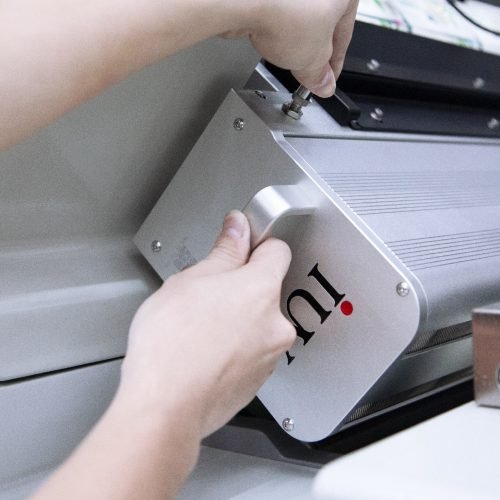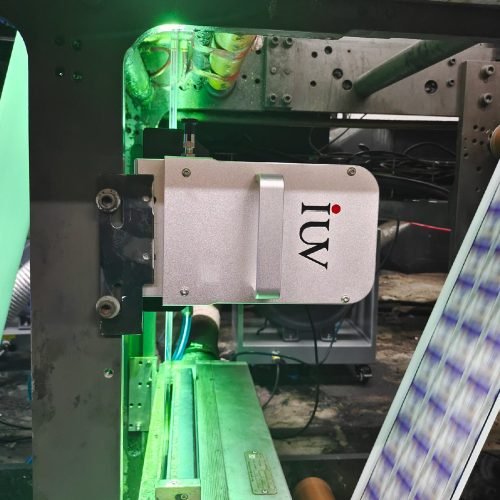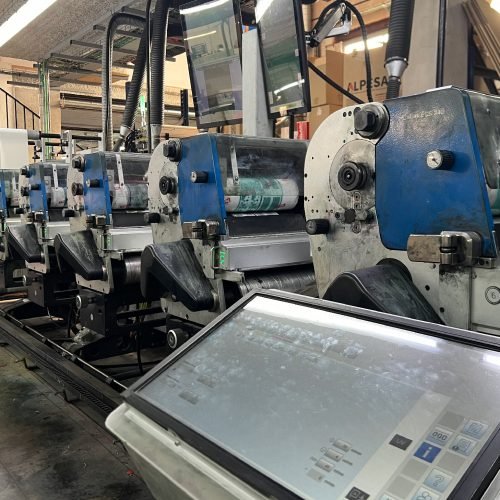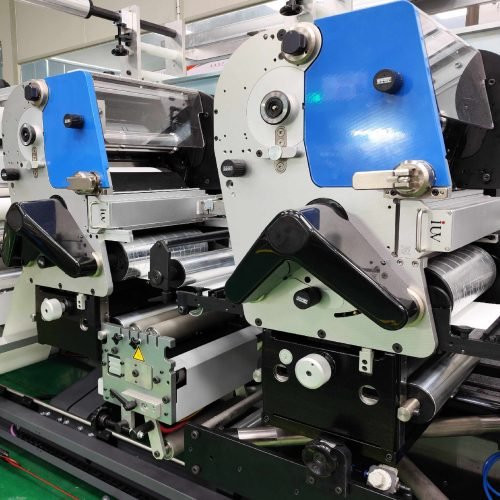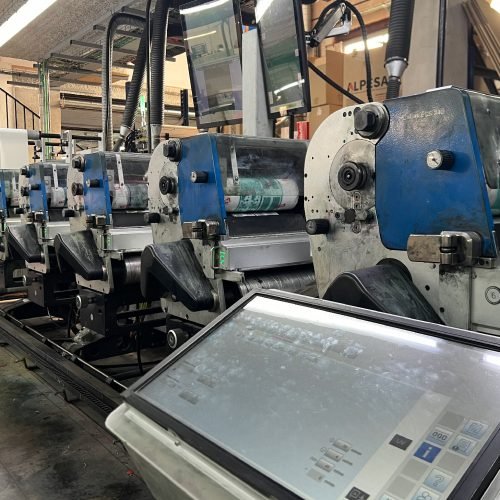
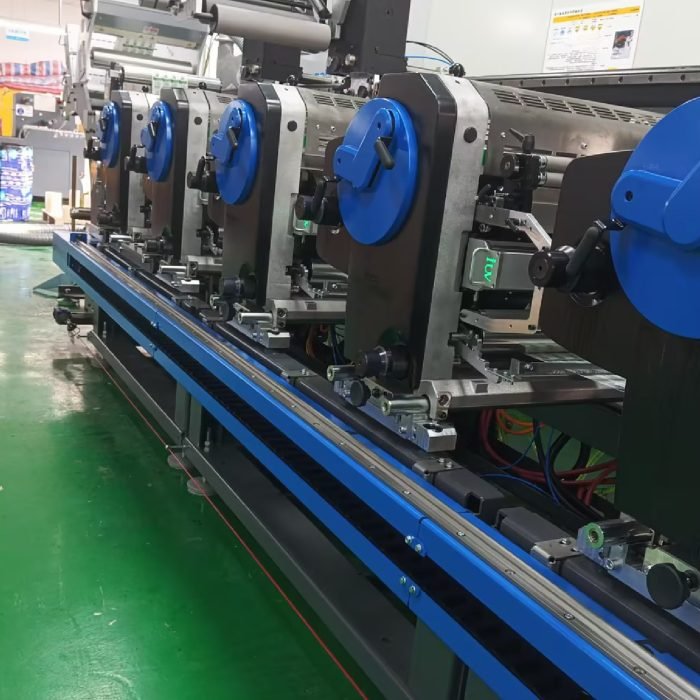
The printing industry’s evolution hinges on balancing speed, quality, and sustainability. UV LED curing systems now sit at the center of this transformation, reshaping workflows across label, flexographic, offset, and narrow-web printing. Unlike traditional mercury-vapor lamps, these solid-state light sources deliver instant curing without excessive heat or energy waste.
In label printing, precision matters. UV LED technology allows thinner coatings to cure completely in milliseconds, preventing ink spread on delicate materials. This eliminates the need for extended drying racks, slashing production floor space requirements. Shorter wavelengths enable better adhesion on synthetic substrates like PET and polypropylene—common in waterproof labels.
Flexographic printers benefit from reduced maintenance. Mercury lamps degrade over time, requiring frequent intensity checks and replacements. UV LEDs maintain consistent output for thousands of hours, stabilizing color reproduction during long runs. The absence of infrared radiation also minimizes substrate distortion, critical when printing on heat-sensitive films.
Offset applications see gains in sheetfed operations. Instant curing prevents offsetting during stacking, allowing immediate finishing. Hybrid presses now combine conventional and UV LED units, letting printers choose curing methods per job. One European printer reported 40% faster turnaround times after retrofitting their Heidelberg press with LED modules.
Narrow-web converters face unique pressures. Quick job changes demand rapid curing adjustments. UV LEDs reach full intensity instantly, unlike mercury systems needing warm-up time. This agility supports variable data printing, where curing parameters shift between batches. A Midwest packaging company reduced energy costs by 60% after switching to LED-curable inks for short-run wine labels.
Curing dynamics differ radically from conventional methods. UV LEDs emit specific wavelengths (365-405 nm), optimized for photoinitiators in modern inks. This targeted approach reduces energy use by 70% compared to broad-spectrum lamps. Operators no longer need ozone ventilation systems, simplifying facility layouts.
Material compatibility continues expanding. Early LED inks struggled with opacity, but newer formulations achieve vibrant whites and metallics. Substrate versatility now includes heat-sensitive options like thin-gauge PVC and unsupported films. A Japanese printer recently showcased LED-cured metallic effects on shrink sleeves for beverage cans—previously unthinkable with thermal curing.
Environmental regulations drive adoption. Mercury lamps contain hazardous materials, complicating disposal. UV LEDs avoid this while cutting CO2 emissions. California print shops using LED systems report 90% fewer toxic waste reports. Energy savings alone justify retrofitting; a New York label plant recouped LED upgrade costs in 14 months through lower utility bills.
Workplace safety improves alongside productivity. Traditional UV systems require protective shielding against stray radiation. LED arrays can be integrated into open-frame units, improving visibility during press checks. Technicians appreciate the elimination of burn risks from hot lamp housings.
The future points toward smarter integration. IoT-enabled LED systems now adjust intensity based on line speed, saving energy during slow periods. Predictive maintenance algorithms analyze emitter performance, scheduling replacements before failures occur. One German manufacturer’s cloud-connected curing units auto-order replacement modules when output dips below 85%.
Hybrid materials will push innovation further. Researchers are testing UV LED-curable conductive inks for printed electronics. Imagine flexible circuit boards produced on modified narrow-web presses. Another team achieved partial curing of 3D-printed resin layers using movable LED arrays, hinting at hybrid additive manufacturing solutions.
Cost remains a barrier for smaller shops, but prices keep falling. Modular designs allow phased upgrades—replace one lamp at a time instead of entire curing stations. Leasing models are emerging, with service contracts covering maintenance and upgrades.
As substrate diversity grows, so does the need for tailored curing profiles. Dynamic LED systems can now switch wavelengths mid-print, optimizing cure depth for multilayer jobs. A Belgian company uses this to produce security labels with hidden UV-reactive features.
The shift isn’t just technical—it’s cultural. Press operators accustomed to mercury systems require retraining. Manufacturers are responding with augmented reality guides that overlay maintenance instructions onto physical equipment.
Ink chemistry races to keep pace. Major suppliers now offer LED-curable variants matching conventional ink’s color gamut. New photoinitiators activate at lower energy levels, further cutting power needs. A recent breakthrough enabled curing through colored inks, solving a long-standing barrier for opaque white underlays.
The ripple effects extend beyond print shops. Brands demand shorter runs with faster revisions. LED curing’s quick setup supports this agility. A cosmetics company reduced time-to-market by three weeks using LED-printed limited-edition packaging.
Durability testing shows promise. LED-cured prints demonstrate superior scratch resistance compared to thermally dried inks. Accelerated aging tests suggest color stability improvements, crucial for archival applications.
While challenges persist—like optimizing cure consistency across wide webs—the trajectory is clear. As UV LED systems become the norm rather than the exception, they’re redefining what’s possible in print production. The next decade will likely see these technologies become as fundamental as digital file preparation is today.