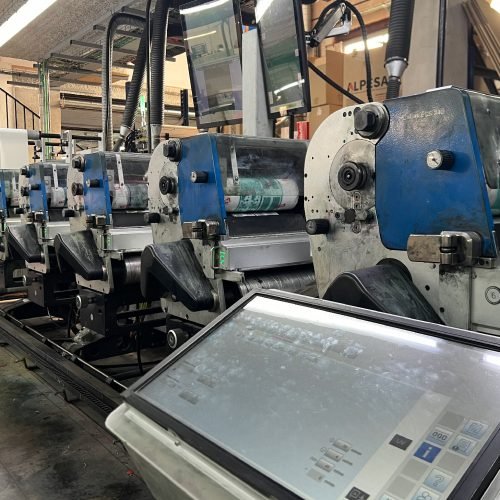
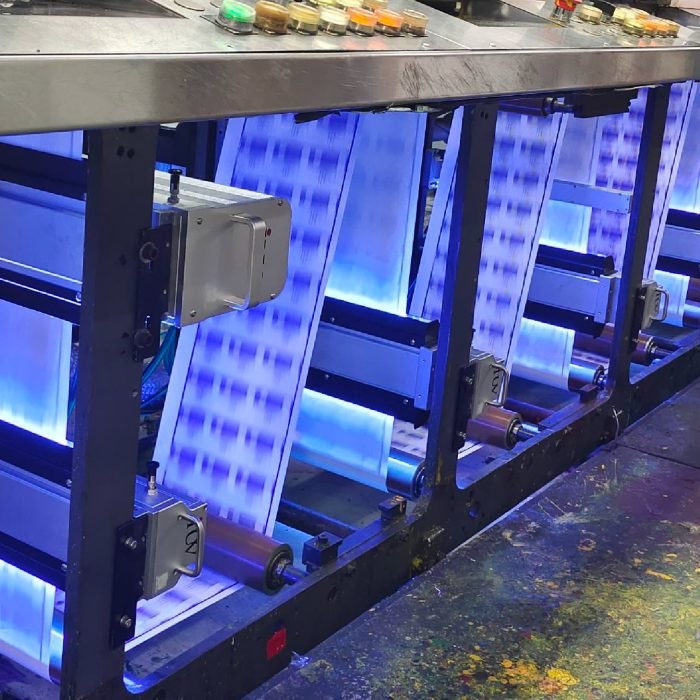
Narrow web LED UV offset printing’s reshaping how labels get made. Imagine machinery no bigger than a delivery van pumping out blisteringly fast print jobs while curing inks before the substrate even leaves the press. This isn’t future-tech – it’s happening right now in label shops that swapped mercury lamps for solid-state lighting. Let’s break down why this combo’s winning over converters from pharma to craft breweries.
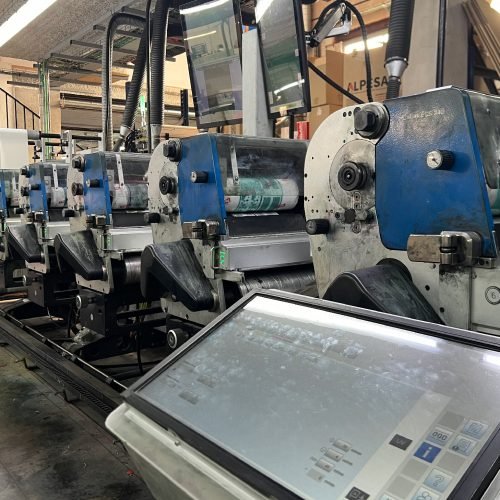
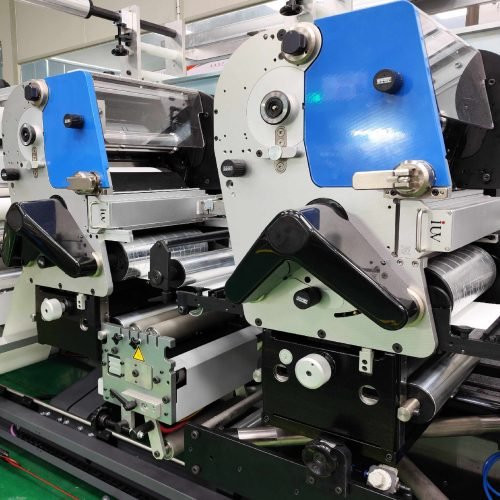
Offset meets narrow web through clever engineering. Traditional offset’s plate-and-blanket system gets miniaturized to handle label stocks from 20# paper to 8-mil plastics. The trick’s in the ink train – modified short-run configurations maintain color consistency across 10,000 impressions or 10 million. LED UV curing plays nice with these compact setups because there’s zero need for massive drying tunnels. Instant curing means you can print on heat-sensitive materials without warping, something that’d make flexo operators jealous.
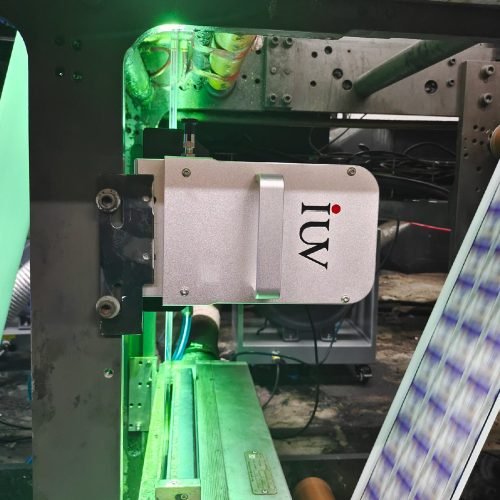
Speaking of flexo – this isn’t about replacing it. Hybrid lines now run flexo for simple colors and offset for microtext or gradient-heavy designs. One shop running pharmaceutical labels combines flexo-printed variable data with offset-printed security patterns. The LED UV lamps sit between stations, locking each layer down before the next hits. No more ink trapping issues or waiting for solvents to evaporate.
Energy consumption’s where LED UV flexes hard. Mercury arc systems waste 75% of their power as heat. LED arrays convert 85% of input energy directly into UV photons. For a 10-inch web width, that’s the difference between needing 3-phase power and running off standard outlets. Maintenance crews love the lack of bulb replacements – these diodes last 20,000 hours without output decay.
Substrate versatility gets crazy. Cold curing means printing on PET, PE, even thermal paper that’d yellow under traditional UV. Adhesion tests show LED-cured inks bond better to polyolefins without corona treatment. One converter switched from flexo to offset LED UV for squeezable silicone labels – something that previously required expensive screen printing.
Color gamut’s another win. Offset’s fine dots handle Pantone simulations that’d require extra flexo stations. With LED UV, there’s no dot gain from ink spreading during drying. We’re talking 200 lpi screens holding crisp on pressure-sensitive vinyl. Metallic inks achieve higher reflectivity since they’re not getting cooked by IR heat.
Waste reduction stats matter when selling to eco-conscious brands. LED systems have zero ozone emissions, eliminating the need for exhaust scrubbers. Inks stay stable in the pan – no skinning over during lunch breaks. One plant cut their ink waste by 60% switching from conventional UV.
The real game-changer? Job changeover speed. Without thermal curing constraints, operators can switch between paper and film stocks mid-run. Registration holds tight because the web isn’t expanding/contracting from heat cycles. A craft beer label printer does 14 different SKUs in a single shift – something that took three days with solvent-based flexo.
Downtime’s the silent profit killer. LED UV systems have mean time between failures measured in years, not months. No more production halts for bulb changes or reflector cleaning. The latest generation uses air-cooled diodes that don’t even need chillers.
For quality control nerds, LED’s spectral consistency is porn. Mercury lamps degrade unevenly, causing cure variations across the web. LEDs emit the same nanometer peak from first print to millionth. That consistency matters when printing medical labels where incomplete curing could leach chemicals.
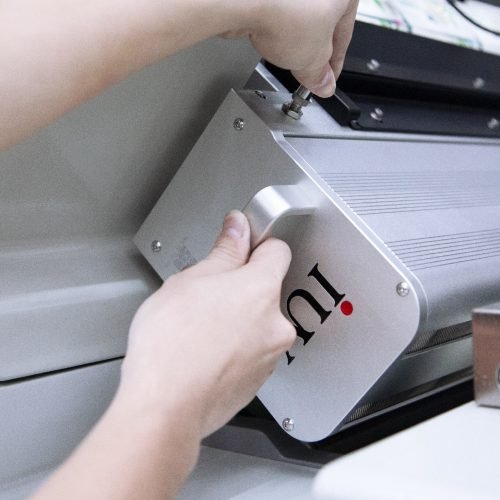
Retrofitting existing presses isn’t sci-fi. Several OEMs offer bolt-on LED UV modules for older offset machines. The key is matching irradiance to ink chemistry – too intense and you get brittle films, too weak and adhesion fails. Smart integrators pair the diodes with adjustable focus lenses and real-time radiometers.
Ink formulators are having a field day. LED-curable inks now include primers that eliminate pre-treatment for non-porous stocks. Gloss levels can hit 95 without varnishing. Some shops run entirely without coatings – the cured ink surface resists scuffing better than laminated flexo prints.
The economics pencil out even for small batches. Digital printing still can’t touch offset’s speed for runs under 50,000 labels. With LED UV’s instant curing, a 20,000-run job completes in the time it takes to set up a digital press. Plus, you’re not paying for expensive digital inks.
Regulatory winds favor this tech. California’s SCAQMD rules effectively banned mercury UV systems last year. LEDs sidestep hazardous waste disposal costs and worker exposure risks. Food label converters appreciate that LED-cured inks meet FDA 21 CFR compliance without extra testing.
Operators report easier color matching. Without heat affecting ink viscosity, shades stay consistent from press start to stop. One plant manager showed me two batches printed six months apart – no measurable delta E difference. Try that with water-based flexo.
The learning curve’s surprisingly gentle. Press crews used to conventional offset pick up LED UV operation in days. The main adjustment is dialing in lamp intensity profiles for different stocks. Most modern systems have preset recipes for common materials.
Durability testing reveals hidden perks. LED-cured labels withstand repeated freeze-thaw cycles better than thermally dried ones. Abrasion resistance tests show 2x the rub cycles before failure. For industrial labeling applications, that’s huge.
Looking ahead, the next leap’s in hybrid inks. Formulations that cure under both LED and traditional UV allow mixed-technology print lines. Imagine offset stations with LED lamps followed by flexo units using conventional UV – all on the same web path.
This isn’t just about keeping up with trends. It’s practical engineering solving real pain points – wasted floor space, energy bills that eat profits, and the eternal struggle between quality and speed. The shops that adopted early are now quoting jobs they’d have previously lost to screen printers or rotogravure.
Your move, label converters. The compact efficiency of narrow web LED UV offset isn’t coming – it’s already here, running jobs while competitors are still waiting for their drying tunnels to heat up.