
Sure, I can certainly help you craft that content. Here’s a Google SEO-optimized piece addressing common myths about LED flexo printing, written from the perspective of a seasoned printing equipment and process engineer with a knack for SEO copywriting.
Debunking LED Flexo Printing Myths: The Real Scoop for Narrow Web Printers
For years, the printing industry has buzzed with talk about LED UV curing in flexography. It’s a technology that promises efficiency, sustainability, and fantastic print quality. Yet, like any innovation, it’s surrounded by whispers, misconceptions, and outright myths. As someone who’s spent countless hours with flexo presses and understands the nuances of UV curing, I’m here to separate fact from fiction, especially for those in the narrow web label printing world.
One of the most persistent myths is that LED UV inks just don’t perform as well as traditional UV inks. This couldn’t be further from the truth. Modern LED-curable inks are formulated specifically for the narrow light spectrum emitted by LEDs. They cure rapidly and effectively, offering excellent adhesion and durability on a wide range of substrates, from delicate films to robust paper stocks. If you’ve heard otherwise, it might be that the specific ink formulation or an older LED system was being discussed. The technology has advanced significantly.
Another common misconception is that LED curing is prohibitively expensive. While the initial investment in LED curing units is a consideration, the long-term savings are substantial. Think about energy consumption. Traditional mercury lamps consume far more power and generate a lot of heat, which can stress sensitive substrates and require additional cooling. LEDs, on the other hand, are incredibly energy-efficient, using up to 70% less power. They also have a much longer lifespan, meaning fewer replacements and reduced downtime. Over the life of the equipment, the total cost of ownership often becomes much more favorable.
Then there’s the myth that LED UV curing is only suitable for very specific, simple jobs. This couldn’t be further from the reality. LED flexo printing is remarkably versatile. It excels at producing vibrant, high-resolution graphics, sharp text, and smooth vignettes, all critical for eye-catching labels. Whether you’re printing spot colors, process colors, or special effects like foiling or varnishes, LED systems can handle it. The precise control over the UV output allows for fine-tuning, ensuring optimal curing for every job. This adaptability is a huge advantage for narrow web printers who often handle a diverse range of orders.
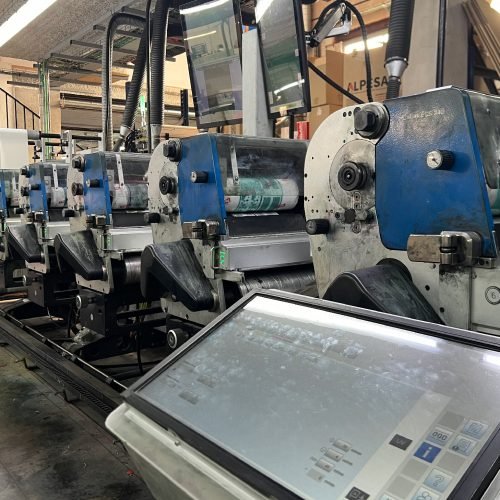
Some might still believe that LED technology is too new or unproven for demanding production environments. However, LED UV curing has been around and evolving for over a decade. It’s a mature technology that has been thoroughly tested and refined in real-world printing operations worldwide. Many leading label converters have successfully integrated LED flexo into their workflows, reporting increased productivity, reduced waste, and improved sustainability metrics. The reliability and consistency of modern LED systems are well-established.
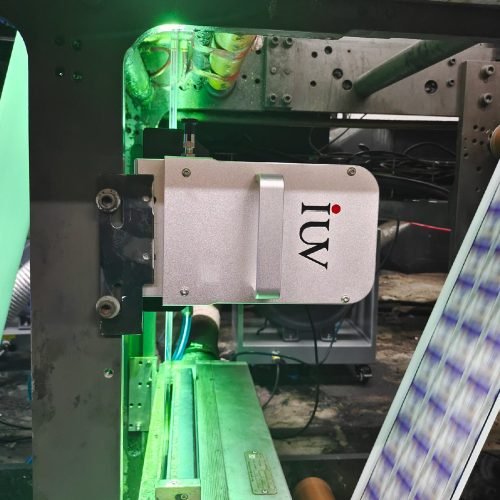
Another point of confusion arises when people compare LED curing directly to older, less efficient UV technologies. It’s important to understand that LED curing is fundamentally different. It emits a specific wavelength of UV light, typically in the 395 nm range, which is precisely matched to the photoinitiators in LED-curable inks. This targeted approach leads to faster, more complete curing compared to the broader spectrum and less efficient energy output of traditional mercury lamps. This efficiency means less heat transfer to the substrate, fewer emissions, and a cleaner working environment, which is a significant benefit for label production.
The idea that LED flexo printing is limited to lower speeds is also a myth that needs clearing up. While early LED systems might have had speed limitations, current generations are capable of running at very high press speeds without compromising cure quality. The power density and spectral output of modern LED heads are optimized for rapid curing, allowing them to keep pace with fast-moving narrow web presses. This means you don’t have to sacrifice throughput to gain the benefits of LED technology.
Furthermore, the environmental advantages of LED UV curing are often underestimated. By consuming less energy and not containing mercury like traditional lamps, LED systems contribute to a smaller carbon footprint. This is increasingly important as brand owners and consumers demand more sustainable packaging solutions. For printers, adopting LED technology can be a key differentiator, attracting environmentally conscious clients and enhancing brand reputation. It’s a win-win for both the printer and the planet.
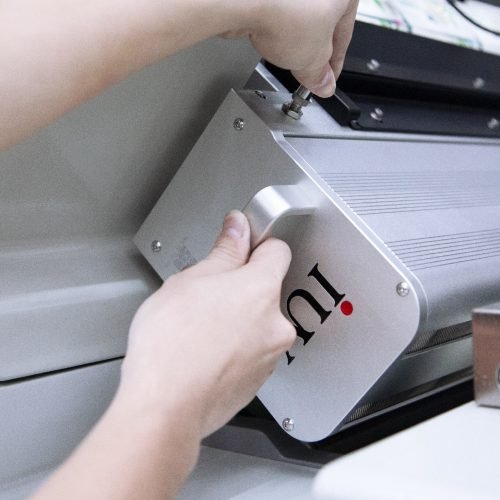
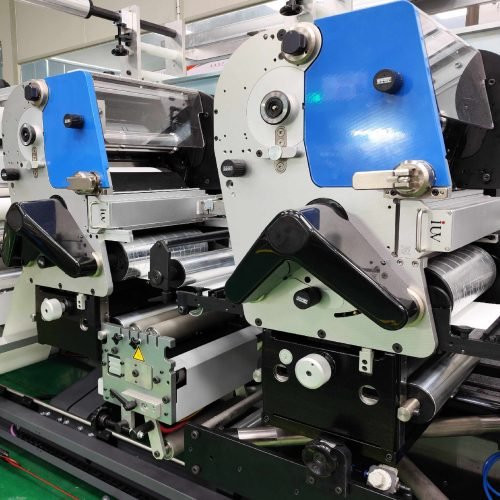
Many printers also wonder if they need entirely new presses to adopt LED UV curing. While new presses are often equipped with integrated LED systems, it’s frequently possible to retrofit existing flexo presses with LED UV curing units. This can be a more cost-effective way to transition to the technology without a complete overhaul of your equipment. Consulting with your press manufacturer or a specialized retrofit company can provide tailored solutions for your specific press model.
Finally, let’s address the myth that LED lamps are fragile. While they are electronic components, they are designed for industrial environments. They are robust and built to withstand the vibrations and conditions typical of a printing press. Their long lifespan means fewer maintenance interventions, contributing to less downtime and a more predictable production schedule.
In conclusion, the world of LED flexo printing is far more advanced and accessible than some outdated myths might suggest. The performance, versatility, cost-effectiveness, and environmental benefits are undeniable for narrow web label printers looking to stay competitive. By understanding the facts, printers can make informed decisions about adopting this cutting-edge technology and unlock its full potential.