Here is a Google SEO-optimized article on how LED flexo printing minimizes heat damage on sensitive substrates, written from the perspective of a printing industry equipment and process engineer with expertise in advanced SEO copywriting.
The world of label printing is constantly evolving, and with it, the demands on printing technologies. Many products require delicate substrates, materials that can warp, shrink, or degrade when exposed to excessive heat. This is where the innovation of LED flexo printing truly shines, offering a cooler, more controlled curing process that safeguards these sensitive materials.
Traditional UV curing systems often rely on mercury vapor lamps. These lamps generate significant amounts of heat as a byproduct of their UV light emission. When printing on thin plastics, foils, or specially coated papers, this heat can be detrimental. Imagine trying to print a vibrant label on a heat-sensitive film; the intense heat from a mercury lamp could easily distort the film’s dimensions, leading to misregistration, uneven ink laydown, and ultimately, a substandard product. This can cripple production efficiency and increase waste, costing businesses valuable time and resources.
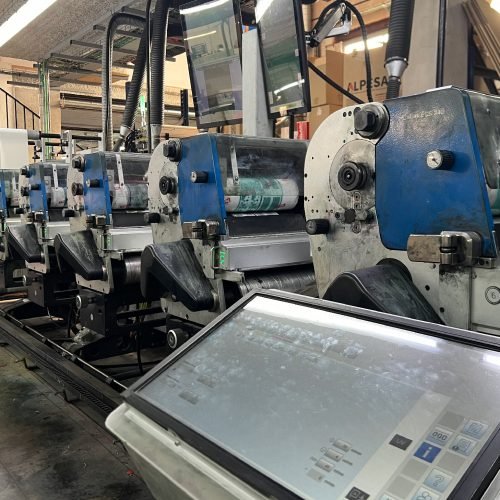
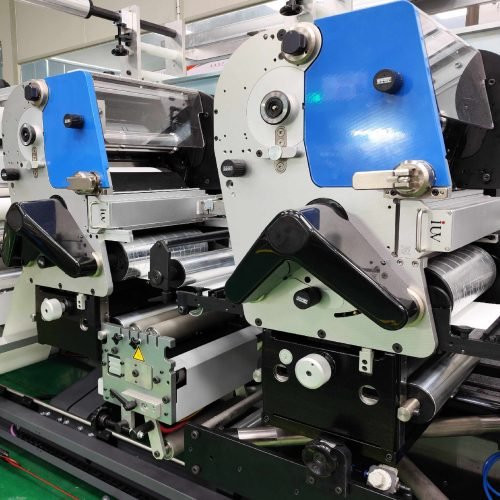
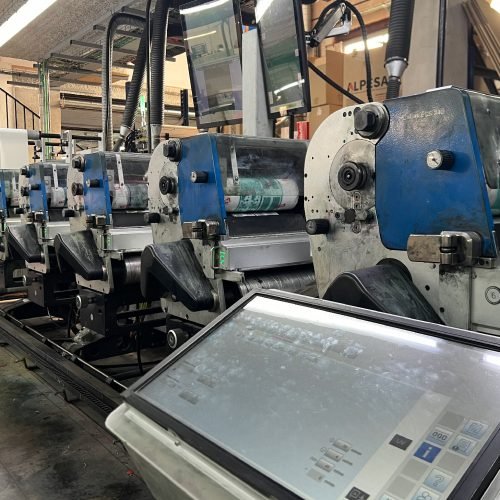
Flexographic printing, or flexo, is a versatile method well-suited for a wide range of substrates, especially in the narrow web sector for labels and packaging. It uses flexible relief plates to transfer ink to the substrate. When combined with UV curing, flexo printing offers high speeds and excellent print quality. However, the heat generated by older UV systems remained a persistent challenge for many applications.
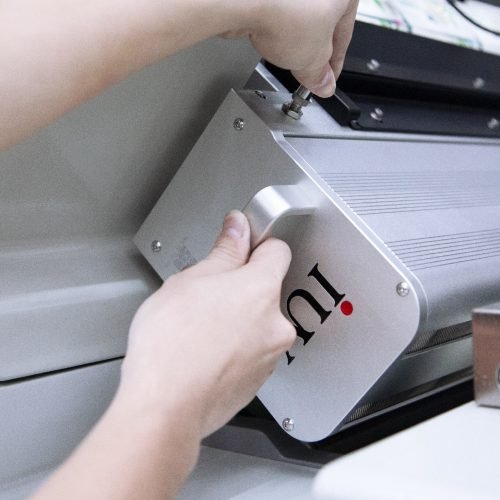
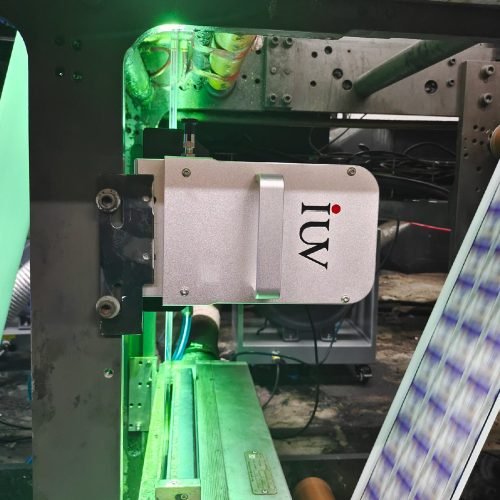
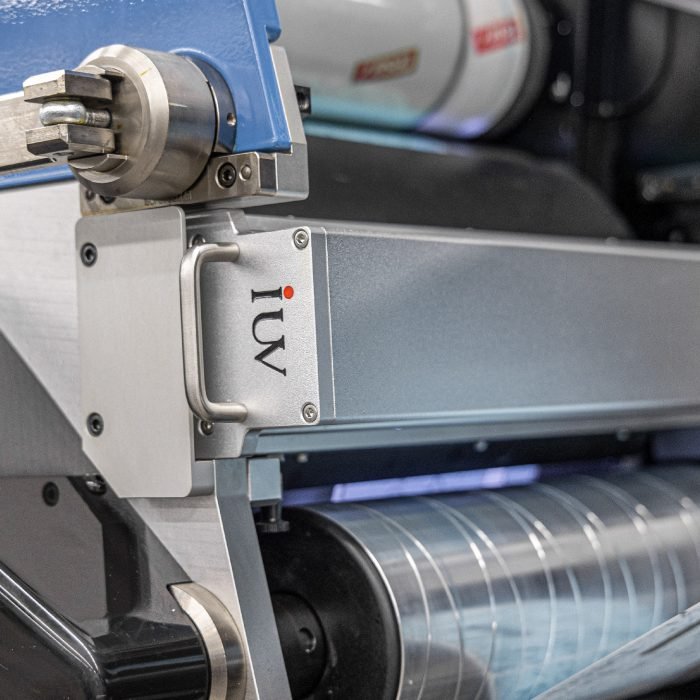
This is where LED UV curing technology enters the arena as a game-changer. Unlike mercury lamps, Light Emitting Diodes (LEDs) produce UV light through a solid-state semiconductor process. This process is inherently more energy-efficient and, critically for delicate substrates, generates far less infrared (heat) radiation. The light emitted by LEDs is also more focused and spectrally pure, meaning the energy is delivered precisely where it’s needed – to cure the ink – with minimal wasted heat.
The difference in heat output is substantial. While mercury lamps can radiate considerable heat, LED UV systems operate at much lower temperatures. This reduced thermal load means that sensitive substrates can be printed at high speeds without the risk of thermal distortion or degradation. For label converters working with materials like polyethylene (PE), polypropylene (PP), or even some delicate paper stocks with special coatings, this is a massive advantage.
Consider the implications for packaging applications where brand integrity is paramount. A warped or discolored label can significantly diminish the perceived quality of a product. With LED flexo, converters can confidently print on these challenging materials, ensuring consistent quality and maintaining the aesthetic appeal that consumers expect. This enhanced control over heat also contributes to better ink adhesion and durability, as the substrate remains stable throughout the printing process.
The transition from offset printing, while capable of high quality, often involves different heat management considerations. Offset presses can be very effective, but for the high-volume, high-speed demands of narrow web label production, flexo often has the edge in efficiency. And when that flexo press is equipped with LED UV curing, it unlocks even greater potential for handling a diverse range of materials that might struggle with the heat from other printing methods.
Beyond the direct benefit of heat minimization, LED UV curing offers other advantages that complement flexo printing for sensitive substrates. The instant on/off capability of LEDs means there’s no warm-up period required, and energy is only consumed when printing is actively occurring. This further reduces overall energy consumption and minimizes heat exposure during downtime. Furthermore, the longevity of LED systems far surpasses that of traditional mercury lamps, leading to reduced maintenance costs and fewer disruptions in production.
The spectral output of LEDs can also be tailored to specific ink formulations. This allows for highly efficient curing of UV-inks, overprint varnishes, and coatings. For sensitive substrates, this precision ensures that the ink cures effectively without requiring prolonged exposure or excessive energy, further contributing to a cooler printing environment.
When specifying new equipment or upgrading existing flexo presses for narrow web applications, the inclusion of LED UV curing should be a primary consideration, especially if you frequently encounter heat-sensitive materials. The ability to maintain substrate integrity, achieve superior print quality, and increase production speeds makes LED flexo a highly attractive solution.
The benefits extend to environmental considerations as well. The lower energy consumption of LED systems contributes to a smaller carbon footprint. Moreover, the absence of mercury in LED lamps eliminates the hazardous waste associated with replacing traditional UV lamps, aligning with increasingly stringent environmental regulations and corporate sustainability goals.
In summary, the integration of LED UV curing technology into flexo printing processes offers a compelling solution for minimizing heat damage on sensitive substrates. This advancement allows label and packaging converters to expand their material capabilities, improve product quality, enhance operational efficiency, and embrace a more sustainable printing future. The precise control over heat, coupled with the inherent advantages of LED technology, positions LED flexo printing as a leading choice for today’s demanding print environment.