Sure, I can help you with that! Here’s a Google SEO-optimized article on “LED Flexo Printing and the Transition Toward Mercury-Free Production,” written from the perspective of a printing industry equipment and process engineer with advanced SEO copywriting skills.
The world of printing is undergoing a significant transformation. The push for more sustainable and environmentally conscious practices is reshaping how we produce everything from product labels to packaging. At the forefront of this change is the shift away from traditional mercury-based UV curing systems towards cleaner, more efficient LED UV technology, particularly within flexographic printing. This transition is not just about being greener; it’s about embracing innovation that delivers tangible benefits to label printers and their clients.
For decades, mercury vapor lamps were the standard for UV curing in printing. These lamps emit UV light to instantly dry or cure inks, coatings, and adhesives. However, mercury is a hazardous substance. Its disposal is strictly regulated and costly. Furthermore, mercury lamps consume a considerable amount of energy and produce a significant amount of heat, which can affect print quality and the lifespan of sensitive materials. The industry’s growing awareness of environmental impact and the increasing stringency of regulations have naturally led to a search for alternatives.
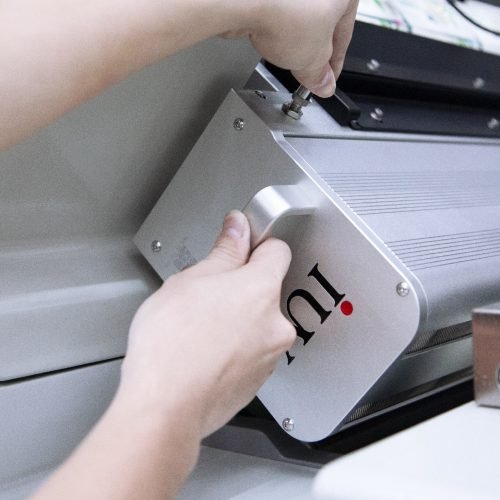
This is where LED UV curing technology shines. Light Emitting Diodes (LEDs) offer a fundamentally different approach to generating UV light. Instead of a heated filament in a vacuum tube, LEDs are semiconductor devices that emit light when an electric current passes through them. This technology has rapidly advanced, making it a viable and superior alternative for many UV curing applications in the printing industry.
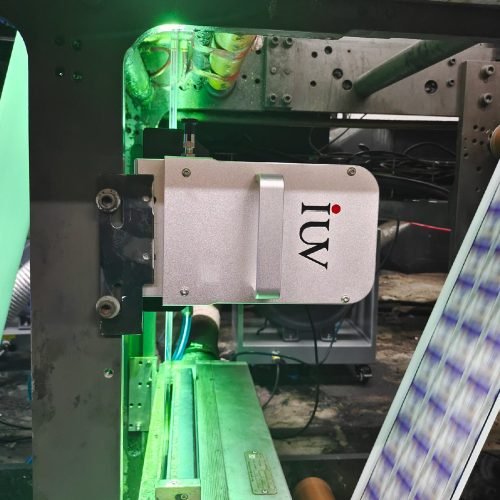
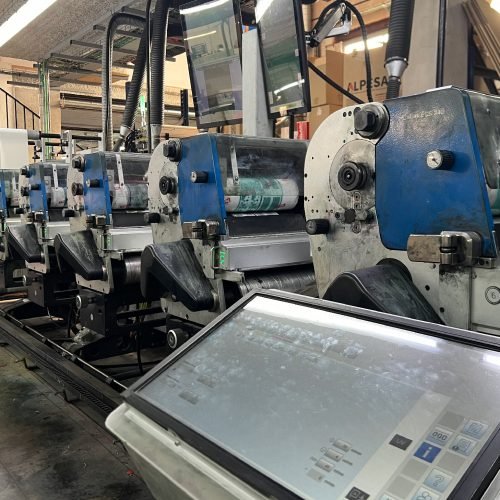
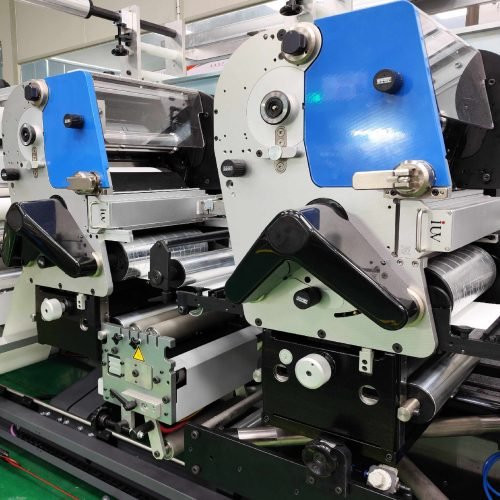
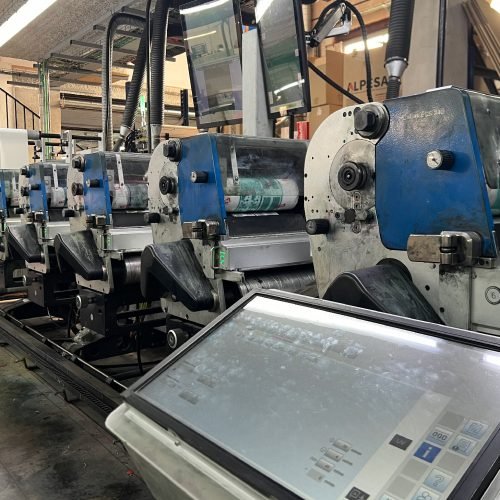
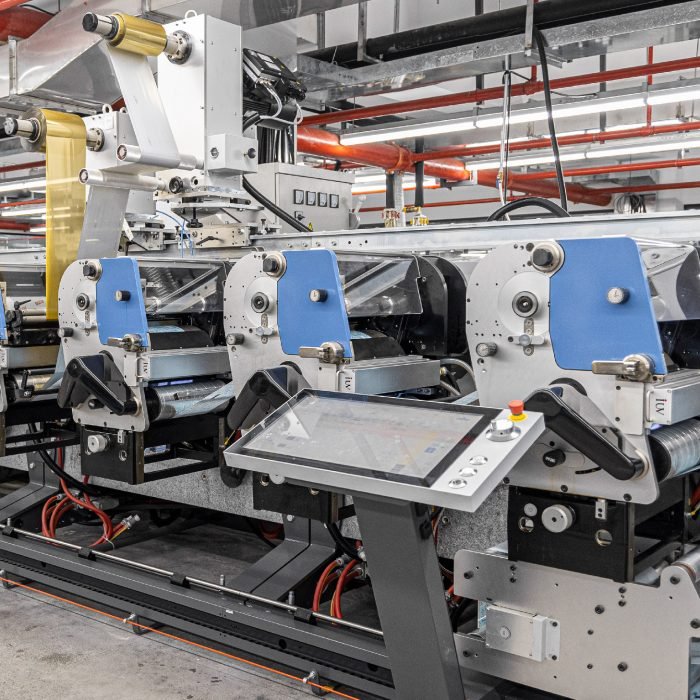
One of the most impactful areas where LED UV curing is making waves is in narrow web flexographic printing. Narrow web presses, typically used for labels and flexible packaging, require precise and rapid curing. LED UV systems are perfectly suited for this. They provide a highly focused UV output at specific wavelengths, which can be precisely matched to the spectral requirements of UV-curable inks and coatings. This wavelength specificity is a key advantage. It means that the energy is used more efficiently, leading to faster and more complete curing.
The benefits of this transition are multifaceted. Firstly, the environmental advantages are undeniable. Eliminating mercury from the production process significantly reduces hazardous waste. This simplifies disposal procedures and contributes to a safer working environment for print operators. It also aligns businesses with a growing consumer demand for eco-friendly products and packaging. Companies that adopt mercury-free solutions can leverage this as a strong selling point, enhancing their brand image and market appeal.
Energy efficiency is another major driver. LED UV systems consume substantially less power than traditional mercury lamps. They also have a much longer operational lifespan, often lasting tens of thousands of hours compared to a few thousand for mercury lamps. This reduction in energy consumption translates directly into lower operating costs for printing businesses. Furthermore, LED systems generate very little heat. This is a critical factor in narrow web printing where delicate substrates like thin films and certain papers are commonly used. Reduced heat means less risk of material distortion, warping, or scorching, thereby improving print quality and reducing waste.
The transition also brings performance enhancements. LED UV curing allows for immediate and consistent curing. This means faster print speeds are achievable without compromising on ink adhesion or finish. The ability to achieve a full cure quickly also enables the use of thicker ink layers or special effect coatings, expanding the creative possibilities for label designers and brand owners. Moreover, the instant on/off capability of LEDs means they only consume power when the press is running, unlike mercury lamps that require a warm-up period and can degrade over time even when not in use. This further contributes to energy savings and operational flexibility.
For printers involved in offset (or offset lithography) and other printing methods beyond flexo, the adoption of LED UV is also becoming increasingly relevant. While flexo is a dominant force in narrow web, offset printing is widely used for various commercial applications, including labels and packaging. The advantages of LED UV—speed, efficiency, environmental benefits, and improved print quality—are transferable across different printing technologies. As ink and coating manufacturers develop new formulations specifically optimized for LED UV curing, its adoption in offset and even gravure printing will continue to grow.
When discussing UV curing, it’s important to understand the chemistry involved. UV curable inks contain monomers and oligomers that polymerize, or cross-link, when exposed to UV light. This chemical reaction transforms the liquid ink into a solid, durable film. Different wavelengths of UV light are responsible for initiating this polymerization. Mercury lamps emit a broad spectrum of UV light, including UVA, UVB, and UVC, as well as visible light and heat. LED systems, on the other hand, can be engineered to emit light in very narrow spectral bands, typically in the UVA range (e.g., 365 nm, 385 nm, 395 nm, 405 nm). This precise control over wavelength allows for highly efficient curing with inks and coatings formulated specifically for these wavelengths.
The investment in LED UV technology might seem significant initially. However, when considering the total cost of ownership, the long-term savings often outweigh the upfront expenditure. Reduced energy bills, lower consumable costs (e.g., fewer lamps to replace), decreased waste, and potentially higher throughput all contribute to a compelling return on investment. Many printers are finding that the operational efficiencies and environmental compliance benefits alone justify the switch.
The future of printing, especially in the label and packaging sector, is undoubtedly moving towards greater sustainability and technological advancement. LED Flexo printing, powered by mercury-free LED UV curing, represents a significant step in this direction. It empowers printers to produce high-quality, vibrant graphics while minimizing their environmental footprint and optimizing their operational costs. As the technology matures and more ink and coating solutions become available, the transition toward mercury-free production will become not just an option, but a necessity for forward-thinking print businesses aiming to thrive in an increasingly conscious marketplace. Embracing LED UV curing is a strategic move that positions printers for success today and well into the future.