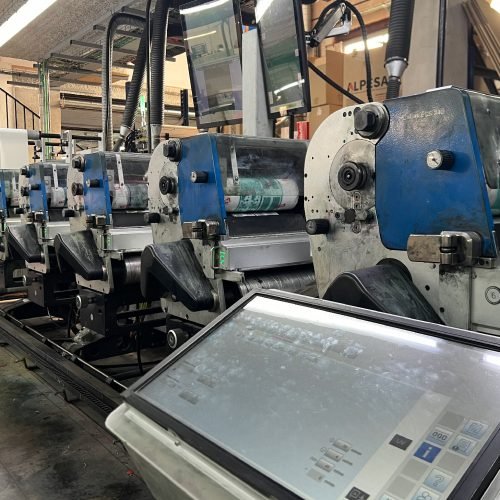
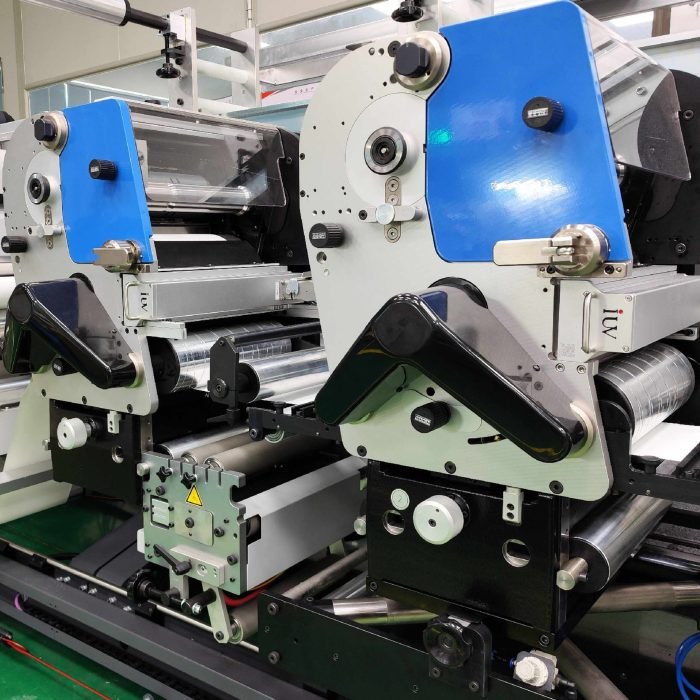
Sure, I can certainly craft a compelling piece of content for you. Here’s a Google SEO-optimized article on “The Role of UV Curing in Flexo Printing for the Food and Beverage Industry,” written from the perspective of a printing industry equipment and process engineer with expertise in advanced Google SEO copywriting.
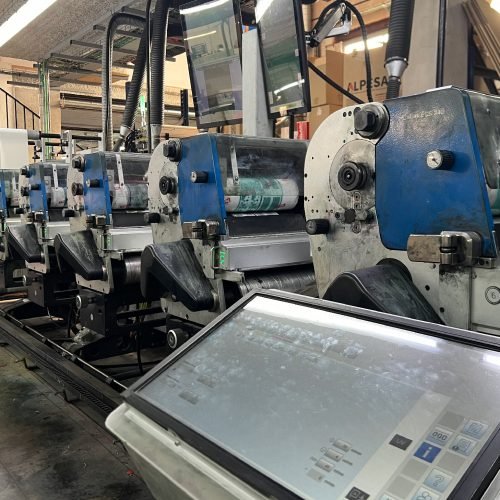
Flexographic printing, often called flexo, is a dominant force in narrow web label production. For the food and beverage sector, this process demands high quality and absolute safety. This is where UV curing technology plays an increasingly vital role. It’s not just about drying ink; it’s about enhancing performance, ensuring compliance, and unlocking new possibilities for brand owners.
Traditional drying methods in flexo can be slow and energy-intensive. They might also struggle to achieve the necessary performance characteristics for demanding applications. UV curing offers a fundamentally different approach. Instead of relying on heat or evaporation, UV curing uses ultraviolet light to instantly polymerize inks, coatings, and adhesives. This rapid, chemical-driven process transforms liquid into a solid, durable film in a fraction of a second.
For food and beverage packaging, the advantages are manifold. Firstly, speed. UV curing systems are exceptionally fast. This translates directly into higher press speeds, increasing overall production output. For narrow web printers, where every second counts, this is a significant competitive advantage. Higher throughput means more labels produced per shift, leading to greater profitability.
Beyond speed, UV curing delivers superior print quality. The instant solidification of the ink prevents it from spreading or bleeding. This allows for incredibly fine detail, sharp text, and vibrant colors. For food and beverage brands, where visual appeal is paramount, this level of fidelity is non-negotiable. Labels are often the first point of contact consumers have with a product. Crisp, clear graphics convey quality and professionalism.
A critical aspect of food and beverage packaging is safety and compliance. UV-cured inks and coatings are formulated to be highly resistant. They are resistant to abrasion, scratching, and chemicals. This is essential for products that might be exposed to moisture, oils, or rough handling during transport and storage. Furthermore, the lack of volatile organic compounds (VOCs) in many UV-curable formulations is a major benefit. This contributes to a safer working environment and reduces environmental impact, aligning with growing consumer demand for sustainable packaging.
The chemical nature of UV curing also means that the cured ink film is very stable. This is particularly important for direct food contact applications, where migration of substances from the packaging to the food must be prevented. Properly formulated and cured UV inks create a robust barrier, minimizing any risk of contamination. This requires careful selection of inks, adhesives, and curing parameters, a responsibility that falls squarely on the shoulders of printing engineers.
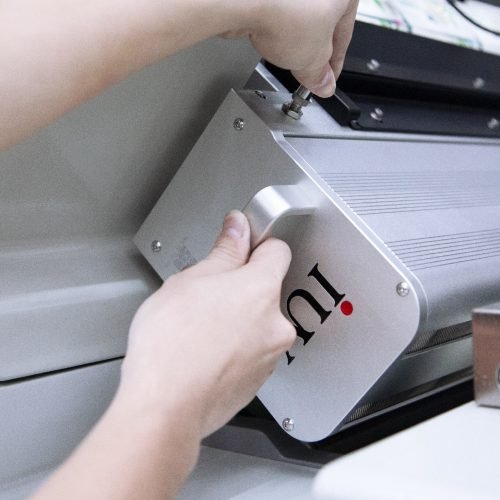
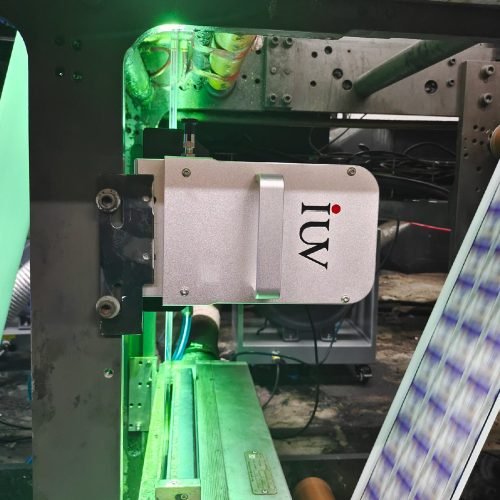
There’s a distinction to be made between traditional mercury-vapor UV lamps and modern LED UV curing systems. While mercury lamps have been the industry standard for years, LED UV technology is rapidly taking over, especially in narrow web flexo. LED UV systems offer numerous advantages. They consume significantly less energy, leading to substantial cost savings. They also generate less heat, which is beneficial for heat-sensitive substrates often used in label printing.
Furthermore, LED UV lamps have a much longer lifespan than mercury lamps. They also reach full power instantaneously and do not require a warm-up period. This reduces downtime and improves operational efficiency. From a process engineering standpoint, LED UV systems offer more precise control over the curing spectrum and intensity, allowing for finer tuning of the curing process for specific inks and substrates. This precision is key to achieving consistent, high-quality results.
The versatility of UV curing extends to its application on a wide range of substrates. Flexo printing, with UV curing, can handle everything from paper and paperboard to a variety of plastic films. This adaptability is crucial for the diverse needs of the food and beverage industry, where different products require different packaging materials. Whether it’s a high-gloss finish on a wine label or a matte effect on a juice carton, UV technology can deliver.
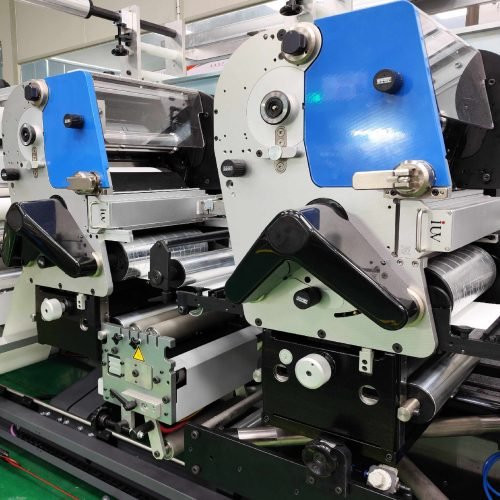
When discussing flexographic printing for labels, the role of the anilox roll, the plate, and the ink itself are critical. UV inks are designed to react to specific wavelengths of UV light. The anilox roll precisely meters the ink onto the plate, ensuring consistent ink transfer. The flexographic plate, made of photopolymer, transfers the ink from the anilox to the substrate. UV curing ensures that this ink solidifies instantly upon exposure to the UV light source, locking in the image.
The advent of UV-curable inks has revolutionized what is possible with flexo printing. We now have inks that are not only vibrant and durable but also safe for food packaging. This includes specialized inks for direct food contact, high-adhesion inks for difficult substrates, and inks with special effects like metallic finishes and varnishes. The ability to apply multiple layers of UV-curable inks and coatings within a single printing unit, with each layer being instantly cured, allows for complex label constructions and special finishes in one pass. This efficiency is a hallmark of modern narrow web flexo.
In conclusion, UV curing, particularly with the advancements in LED UV technology, has become an indispensable tool for flexographic printing in the food and beverage industry. It addresses the core demands of speed, quality, safety, and versatility. As brands continue to seek eye-catching, compliant, and cost-effective packaging solutions, the role of UV curing in flexo printing will only continue to grow. It empowers printers to meet and exceed the stringent requirements of this dynamic market.