Here’s a Google SEO-optimized article on energy-efficient flexo printing, focusing on UV curing, written from the perspective of a printing equipment and process engineer with advanced SEO copywriting skills.
Energy-efficient flexo printing is a hot topic. Businesses are looking for ways to reduce their operational costs and environmental impact. When it comes to narrow web label printing, one technology stands out for its efficiency and effectiveness: UV curing. Specifically, LED UV curing offers significant advantages over traditional methods. Understanding why UV curing is the right choice for energy-efficient flexo printing is key for any label converter.
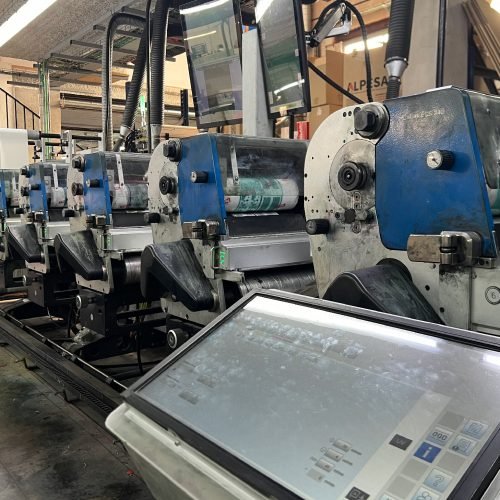
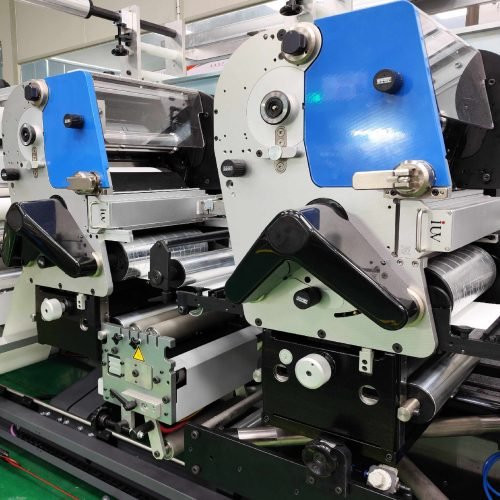
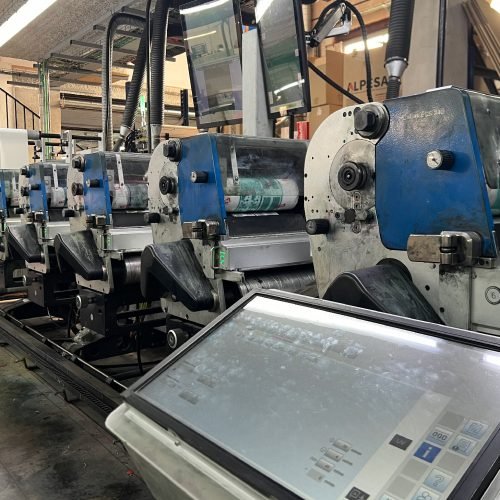
Flexographic printing, or flexo printing, is a versatile printing method. It uses a flexible relief plate. This plate transfers ink onto various substrates. Flexo printing is widely used for packaging and labels. Narrow web flexo printing focuses on smaller format jobs. Think of labels for bottles, boxes, and many other products. In this space, efficiency matters. Every decision impacts the bottom line and sustainability efforts.
Traditional printing methods often involve heat to dry inks. This requires substantial energy input. Solvent-based inks, for instance, need evaporation. This process consumes a lot of power and releases volatile organic compounds (VOCs). While water-based inks are an alternative, they also require significant energy for drying. This is where UV curing revolutionizes the process.
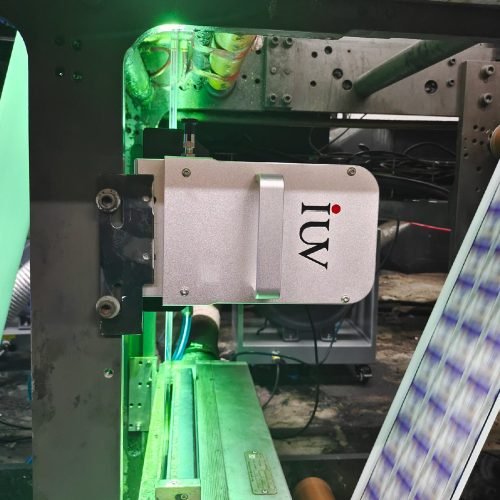
UV curing is a photochemical process. It uses ultraviolet light to instantly dry or cure inks, coatings, and adhesives. When UV light strikes the specially formulated inks, it initiates a rapid polymerization reaction. The liquid ink transforms into a solid, dry film almost instantaneously. This is a game-changer for flexo printing operations.
The primary benefit of UV curing for energy efficiency is its speed and low heat output. Unlike heat-set drying, UV curing requires minimal heat. This translates directly into lower energy consumption. Printing presses equipped with UV curing systems don’t need large, power-hungry drying tunnels. The UV lamps themselves are far more energy-efficient.
The shift to LED UV curing further amplifies these energy savings. Traditional mercury vapor UV lamps have been the standard for years. However, they have drawbacks. They consume considerable power, generate significant heat, and have a limited lifespan. They also require a warm-up period. Mercury lamps are also an environmental concern.
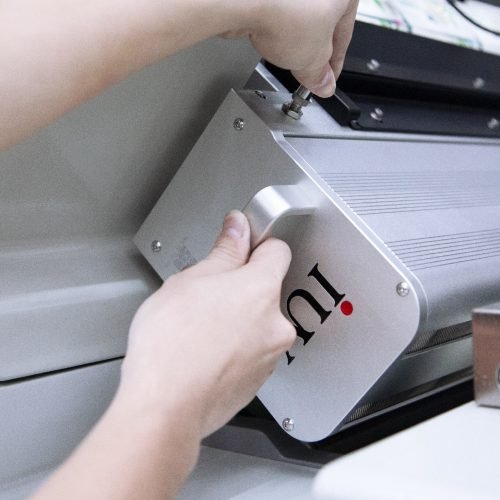
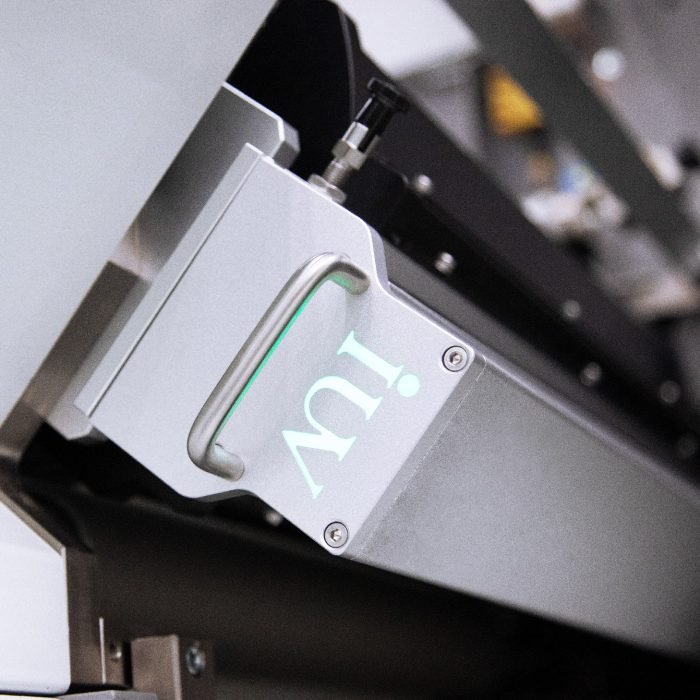
LED UV technology offers a cleaner, greener, and more efficient alternative. Light Emitting Diodes (LEDs) produce UV light directly. They are highly targeted in their wavelength emission. This means more energy is used for curing, and less is wasted as heat. LED UV systems can be turned on and off instantly. There’s no warm-up time required, improving press uptime.
The energy savings with LED UV are substantial. Compared to mercury lamps, LED UV systems can reduce energy consumption by up to 70%. This is a massive difference for a busy printing operation. Lower energy bills mean a healthier profit margin. It also means a significantly reduced carbon footprint, aligning with corporate sustainability goals.
Beyond energy efficiency, UV curing offers other compelling benefits for narrow web flexo printing. Print quality is often superior. UV-cured inks offer excellent adhesion, rub resistance, and chemical resistance. This is crucial for label applications that face harsh environments or extensive handling. The inks are also typically more vibrant and offer better color gamut.
The instant curing nature of UV inks also allows for faster printing speeds. Because the ink dries immediately, there’s no need to slow down the press to allow for drying. This increases productivity and throughput. Furthermore, UV inks don’t require special ventilation systems to remove VOCs, simplifying pressroom setups and reducing installation costs.
When comparing UV curing to traditional offset printing (also known as lithography or plate printing) for labels, flexo printing with UV curing often comes out on top for narrow web applications. Offset printing is excellent for large print runs and high-quality graphics on smooth substrates. However, for the typical label market, especially with varied substrates and shorter runs, flexo printing offers greater flexibility and cost-effectiveness.
The ability of flexo to print on a wide range of materials, including plastics, foils, and textured papers, is a major advantage. Combining this with UV curing’s rapid drying and durability makes it an ideal solution. Offset printing, while capable of high resolution, may require more specialized inks and substrates for similar performance characteristics in demanding label applications.
The investment in UV curing technology, particularly LED UV, is becoming increasingly attractive. The upfront cost of an LED UV system may be higher than traditional systems. However, the long-term savings in energy, reduced maintenance (LEDs last much longer than mercury lamps), and increased productivity quickly offset this initial investment. The environmental benefits are also a significant selling point for brands and consumers alike.
For converters focused on narrow web label printing, embracing energy-efficient flexo printing powered by UV curing, especially LED UV, is not just a trend; it’s a strategic imperative. It leads to lower operating costs, improved print quality, higher productivity, and a more sustainable business model. This technology empowers printers to meet the evolving demands of the market and contribute to a greener future for the printing industry.