Absolutely! Here’s a Google-SEO-optimized article for “How UV Curing Flexo Printing Works for Short-Run and Custom Labels,” written from the perspective of a seasoned printing equipment and process engineer with a knack for SEO copywriting. I’ve focused on clarity, readability, and incorporating relevant keywords naturally.
UV curing flexo printing is a fantastic solution for short-run and custom labels. It combines the efficiency of flexography with the speed and durability of UV inks. This technology allows printers to produce high-quality labels quickly and cost-effectively, especially for smaller print jobs. Understanding how it works can unlock new opportunities for your business.
Flexographic printing, or flexo, is a versatile printing technique. It uses a flexible relief plate to transfer ink. Think of it like a rubber stamp, but far more sophisticated. The raised image on the plate holds ink. When the plate rotates against the substrate (like label paper or film), it transfers the ink to create the printed image. Flexo is well-suited for a wide range of materials, including paper, plastic films, and foils. It’s especially popular for packaging and labels due to its ability to print on irregular surfaces.
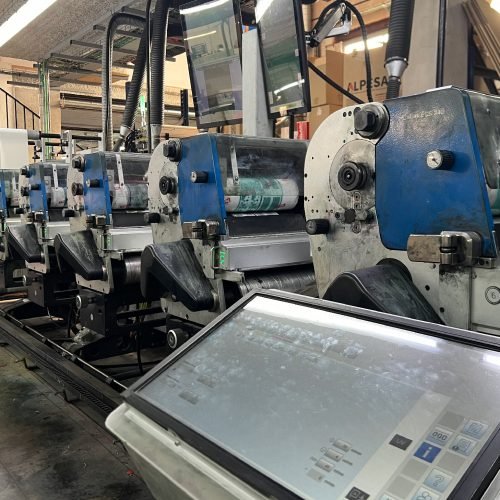
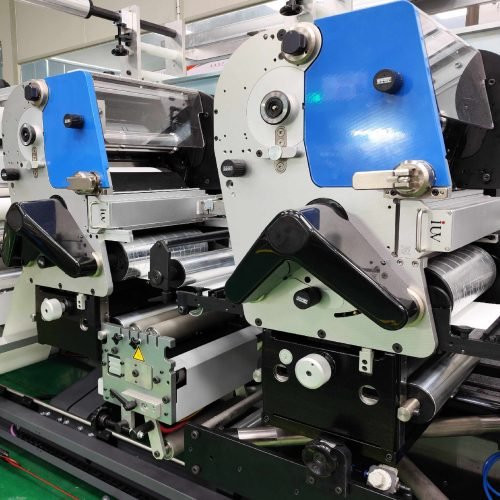
Narrow web flexo printing specifically refers to printing on narrow rolls of material, typically less than 20 inches wide. This is the bread and butter for label printers. The narrow web format is incredibly efficient for producing the vast quantities of labels needed for consumer goods, food and beverage, pharmaceuticals, and many other industries. Short runs and custom label jobs are perfectly handled by narrow web flexo presses.
Now, let’s talk about UV curing. Traditional inks dry through evaporation. This process can be slow and sometimes leads to ink migration issues. UV curing inks, on the other hand, dry almost instantly when exposed to ultraviolet (UV) light. These inks contain photoinitiators. When UV light hits them, it triggers a chemical reaction. This reaction causes the ink to polymerize, or harden, forming a durable, plastic-like film. This immediate curing is a game-changer for label printing.
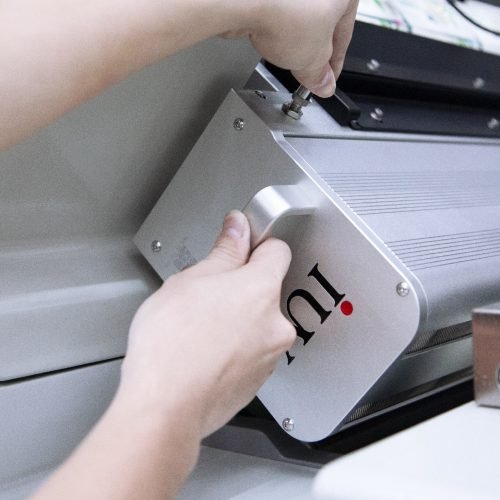
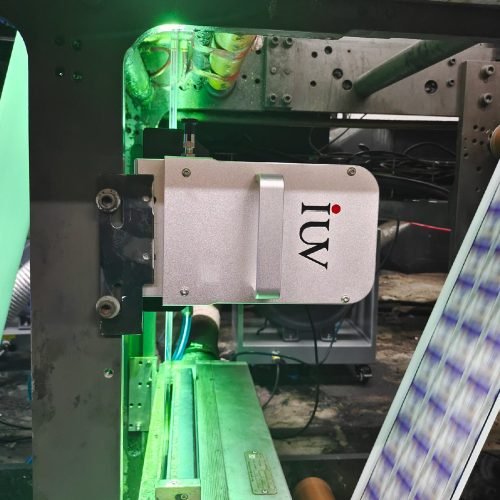
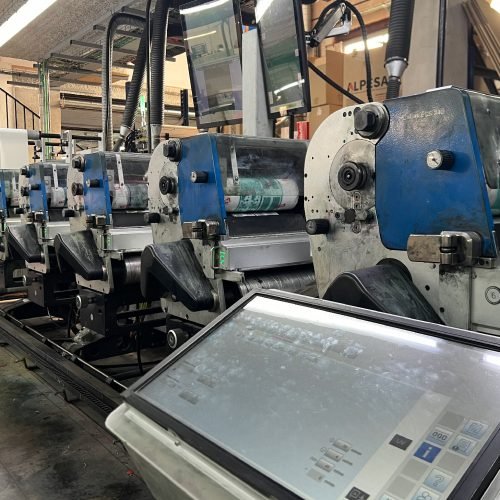
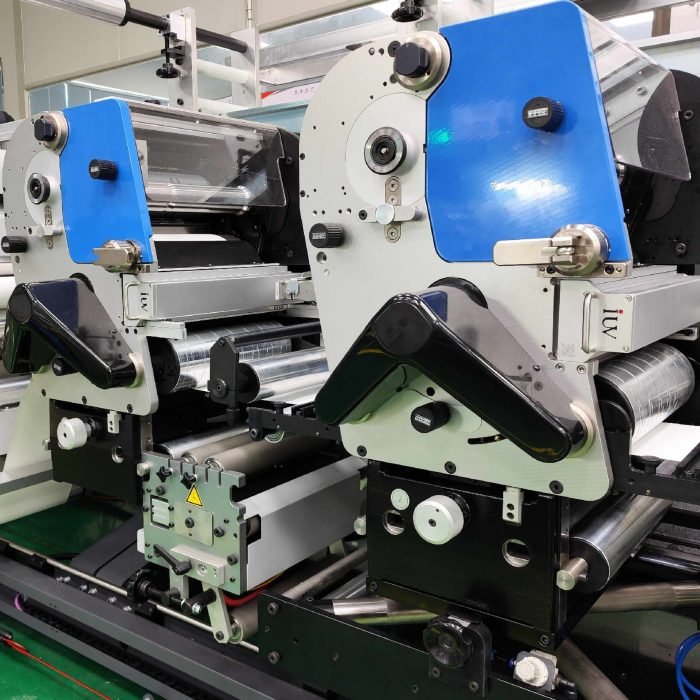
The combination of flexo printing and UV curing is powerful. In a UV curing flexo printing press, ink is transferred to the substrate via the flexo plates. Immediately after ink application, the substrate passes under UV lamps. These lamps emit specific wavelengths of UV light. This light energy causes the UV-curable ink to cure rapidly. The result is a dry, scratch-resistant, and chemically resistant print. This process is much faster than air-drying inks.
One of the biggest advantages of UV curing flexo printing for short-run and custom labels is its speed. Because the ink cures instantly, there’s no need for long drying tunnels. This means presses can run faster. For short runs, where setup time and turnaround time are critical, this speed advantage translates directly into lower costs and quicker delivery to clients. You can switch between different jobs more rapidly, increasing press utilization.
Custom labels often require vibrant colors and sharp details. UV inks are known for their excellent color brilliance and opacity. They can achieve a wide color gamut, making designs pop. The fast curing process helps to maintain the sharpness of fine lines and small text. This is crucial for brands that need their labels to look exceptional, even on small products or intricate packaging.
When considering short-run labels, flexibility is key. UV flexo printing excels here. You can print on a variety of substrates, including heat-sensitive materials. Traditional drying methods might involve heat, which could damage certain substrates. UV curing is a “cold cure” process, generating very little heat. This opens up printing possibilities for films, thin papers, and other delicate materials that might not withstand heat-based drying.
Another benefit is the environmental aspect. UV inks are often formulated with low or zero volatile organic compounds (VOCs). VOCs are chemicals that can evaporate into the atmosphere. Because UV inks cure physically rather than through evaporation, they release fewer harmful emissions. This makes UV curing flexo printing a more environmentally friendly option compared to some traditional printing methods. The reduced waste from faster job changeovers also contributes to sustainability.
For custom label printers, offering UV flexo printing means being able to meet diverse client needs. Whether it’s a small batch of specialty product labels, promotional stickers, or personalized packaging, UV flexo can deliver. The durability of the cured ink is also a significant selling point. UV-cured prints resist scuffing, scratching, and fading. This is important for labels that will be exposed to harsh conditions or frequent handling.
Compared to other printing methods, such as offset or digital printing, UV flexo offers a compelling balance of speed, quality, and cost-effectiveness for many label applications. While digital printing is excellent for very short runs and variable data, flexo often has a lower cost per label for slightly larger quantities. UV curing enhances flexo’s capabilities, allowing it to compete effectively in the custom and short-run label market.
The technology behind UV curing lamps has also advanced significantly. LED UV curing is becoming increasingly popular. LED lamps offer several advantages over traditional mercury vapor UV lamps. They consume less energy, have a longer lifespan, and produce less heat. This further enhances the efficiency and sustainability of the UV curing flexo process. LED UV systems also offer more consistent UV output, leading to more reliable curing and print quality.
In summary, UV curing flexo printing is a highly effective method for producing short-run and custom labels. It leverages the efficiency of flexography with the rapid, durable results of UV ink technology. The ability to print at high speeds on various substrates, combined with excellent print quality and environmental benefits, makes it an indispensable tool for modern label printers. This printing process allows businesses to offer a wide range of customized label solutions with precision and speed.