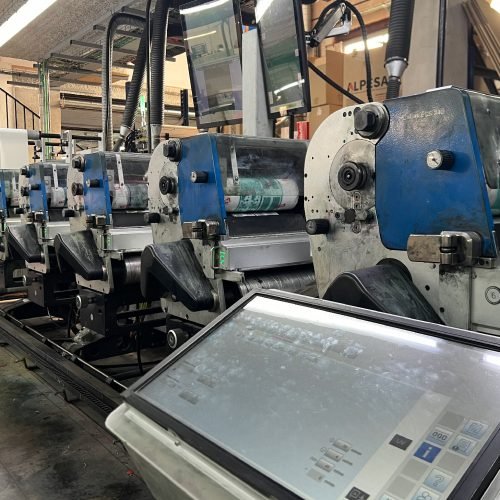
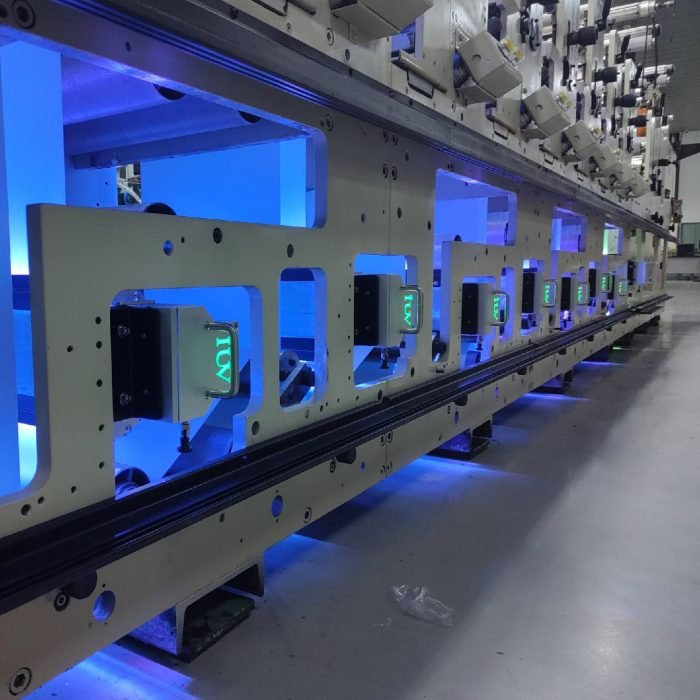
Label printing glitches can derail production timelines and inflate costs if left unchecked. Let’s break down frequent issues across flexographic, offset, and narrow-web processes—and how modern solutions like LED UV curing tackle them head-on.
Ink Smearing Post-Print
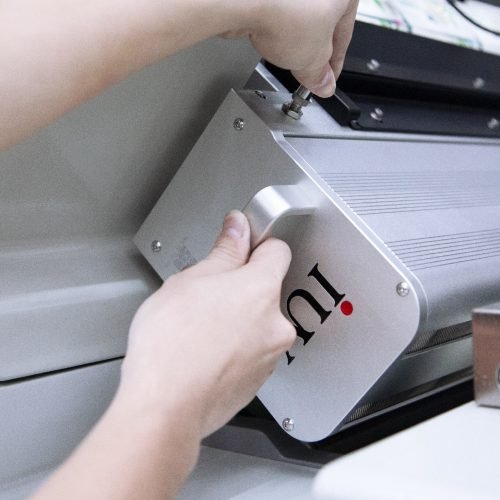
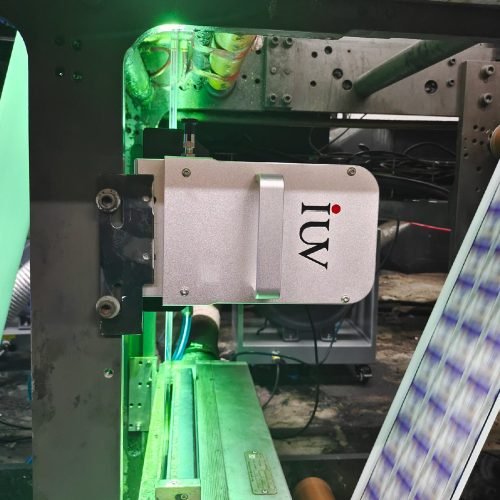
Wet ink transferring to adjacent labels during stacking often stems from inadequate curing. Traditional solvent-based inks require extended drying times, especially in humid conditions. LED UV systems deliver instant curing through controlled wavelengths, locking pigments in place without heat buildup. This eliminates smudging risks even with intricate designs or dense ink coverage.
Registration Woes in Multicolor Jobs
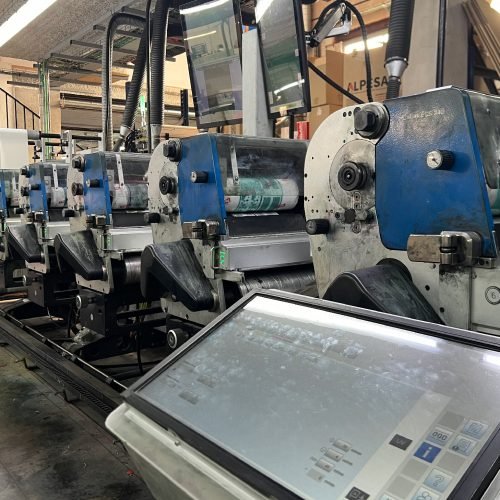
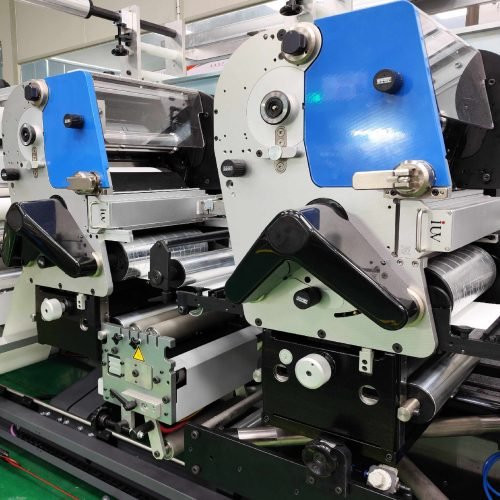
Misaligned color layers create blurred edges or ghosting. Flexo printers using older gear face this when plate mounting tension varies or web tension fluctuates. Digital registration systems now auto-adjust plates in real-time, while LED UV’s rapid curing minimizes substrate movement between print units. For offset setups, consistent blanket cylinder maintenance prevents gradual misalignment.
Patchy Solid Colors
Inconsistent ink density plagues both flexo and offset jobs. Worn anilox rollers in flexo fail to transfer uniform ink layers. Switching to laser-engraved ceramic rollers with precise cell structures improves metering. In offset, improper dampening solution balance causes emulsification—monitoring pH levels and alcohol content keeps ink-water separation sharp. LED UV inks, with their 100% solid content, bypass solvent evaporation variables, yielding smoother solids.
Cracking on Flexible Substrates
Labels applied to curved surfaces or flexible packaging often crack when inks lack elasticity. UV hybrid inks combine acrylate resins with polyurethane for enhanced flexibility. Pair this with LED curing’s low heat output—critical for heat-sensitive materials like PE films—to maintain adhesive integrity.
Halo Effects Around Fine Text
Unwanted ink spread around small fonts usually points to excessive plate pressure or viscous ink. Modern flexo plates with flat-top dots reduce squash, while rheology-controlled UV inks maintain sharp edges even at high speeds. LED curing’s instant fixation prevents dot gain from ink migration.
Adhesive Bleed-Through
Pressure-sensitive labels sometimes show adhesive seeping through porous substrates. UV varnish coatings act as barriers without affecting tack properties. For thin films, LED-cured primers improve surface energy for cleaner adhesive anchorage.
Varnish Crazing
Web offset varnishes can develop micro-cracks if over-cured with conventional mercury lamps. LED’s narrow-spectrum output avoids excessive crosslinking, while dual-cure varnishes balance surface hardness and flexibility.
Static-Induced Dust Trapping
Narrow-web presses running synthetic materials accumulate static, attracting airborne particles. Ionizing bars installed near unwind stations neutralize charges, complemented by UV coatings that create less dust-prone surfaces.
Die-Cutting Inconsistencies
Variations in label shape accuracy often trace back to substrate dimensional changes post-printing. LED UV’s cold cure process prevents material contraction seen with heat-based drying. Laser die-cutting systems with vision-guided registration compensate for minor substrate shifts.
Color Matching Failures
Metamerism—colors shifting under different light sources—haunts brand-approved jobs. UV inks with optimized photoinitiators reduce this effect. On-press spectrophotometers paired with LED-consistent curing maintain color stability across batches.
Preventive Workflow Integration
- Anilox Audits: Schedule monthly volume checks using microscopes or laser scanners.
- Curing Tests: Measure UV dose with radiometers; 300-600 mJ/cm² suits most inks.
- Substrate Pretreatment: Corona treaters set to 38-42 dynes/cm ensure proper ink anchorage.
- Pressside Analytics: IoT-enabled sensors track viscosity, temperature, and humidity in real time.
LED UV technology isn’t just an energy saver—it’s a defect-reduction powerhouse. By eliminating heat-related distortion and enabling faster production, it addresses core challenges in label manufacturing. Pair this with rigorous maintenance protocols and material compatibility checks, and most print gremlins get sidelined before press start-up. The key lies in viewing prevention as cumulative micro-adjustments rather than reactive fixes.