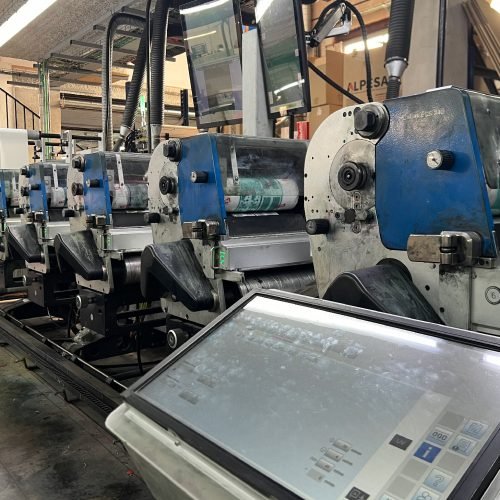
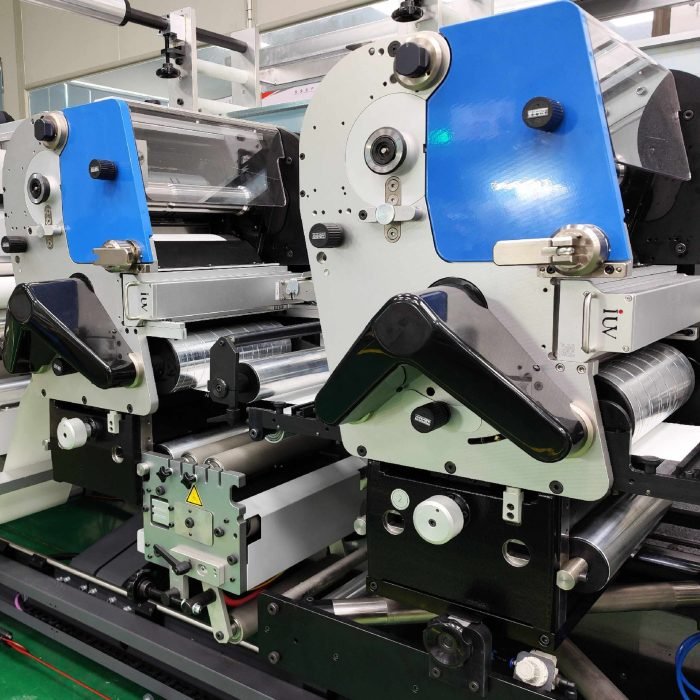
Maintaining label printing equipment isn’t just about fixing breakdowns—it’s about preventing them. Whether you’re running flexo, offset, or narrow-web presses, the difference between a machine that lasts five years versus fifteen often comes down to how you treat it daily. Let’s break down actionable strategies to keep your gear running smoothly, with a focus on modern challenges like integrating LED UV curing systems.
Daily Habits Matter More Than You Think
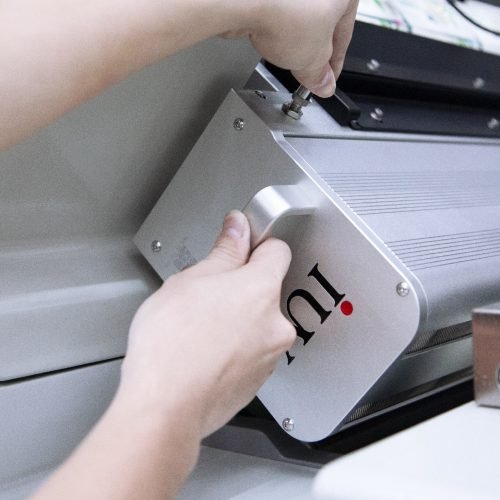
Start with the basics: cleanliness. Residual inks, adhesives, and substrate debris accelerate wear on anilox rollers, plates, and UV lamp arrays. For flexo presses, use pH-neutral cleaners on anilox rolls to prevent cell clogging without damaging laser-engraved surfaces. Offset operators should monitor blanket cylinder wash intervals—over-cleaning degrades rubber compounds, while under-cleaning causes ink buildup. With LED UV systems, quartz glass surfaces on lamps demand lint-free wipes and alcohol-based solutions to maintain optimal light transmission.
Flexo-Specific Tweaks for Peak Performance
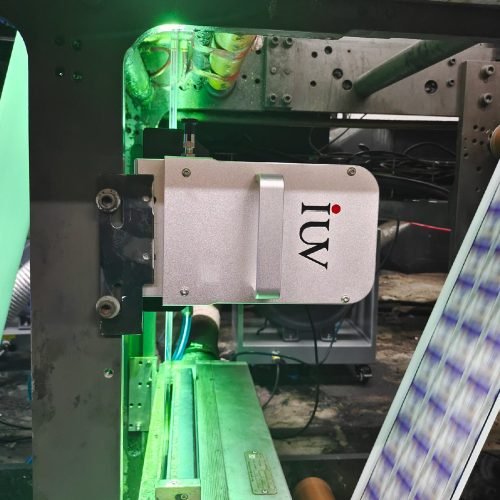
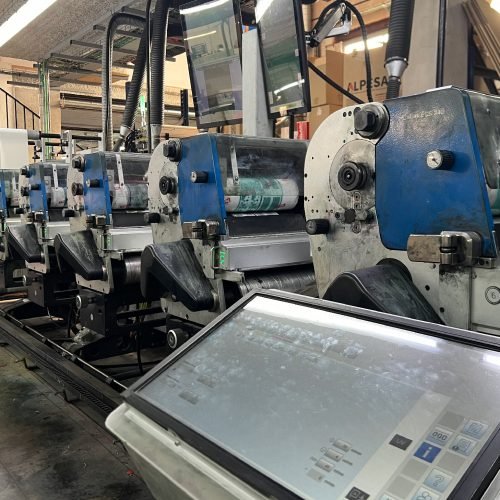
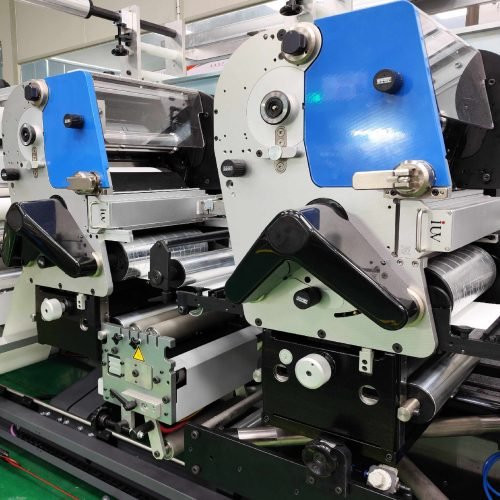
Modern flexo presses running UV inks face unique thermal challenges. LED curing units generate less heat than traditional mercury vapor lamps, but improper cooling still leads to premature LED degradation. Check airflow paths monthly—dust accumulation on heat sinks reduces cooling efficiency by up to 40%. Track impression cylinder settings: excessive pressure distorts plates and causes “halo” effects in fine text. For shops printing metallic inks, implement weekly inspections of chambered doctor blades. Silver and gold pigments settle faster, creating uneven blade wear that leads to ink starvation.
Offset Presses: Beyond the Obvious
Water-based coating units on offset machines require different care than ink trains. Mineral deposits from hard water clog spray nozzles in coating dampeners. A monthly descaling routine with citric acid solutions prevents this. For UV-coated jobs, ensure silicone rollers in the coater assembly stay contamination-free—cured UV coating residues create pockmarks in subsequent applications. Monitor gripper pad alignment religiously; misaligned pads cause substrate slippage during UV curing, resulting in partial adhesion.
Narrow-Web Nuancies
The high-speed nature of narrow-web printing amplifies maintenance oversights. Web guides need biweekly recalibration—even 0.5mm misalignment stresses tension controls over time. For hybrid presses combining flexo and digital units, establish separate maintenance logs. Piezo print heads in digital units fail 30% faster when exposed to flexo press vibrations without proper damping. LED UV systems in these configurations require spectral output testing quarterly—narrow-band LEDs used for hybrid curing lose intensity unevenly compared to broad-spectrum units.
UV System Longevity Hacks
LED UV maintenance goes beyond keeping lenses clean. Monitor peak irradiance monthly with a radiometer—a 15% drop indicates either LED degradation or power supply issues. Rotate LED arrays in multi-lamp setups every 500 operating hours to equalize wear. For presses using dual-cure (UV/EB) systems, purge inert gas lines weekly to prevent oxygen inhibition issues. Track the UV ink temperature at the feed system—viscosity changes in overheated inks lead to inadequate curing and drum contamination.
Lubrication: Not All Grease Is Equal
The wrong lubricant destroys bearings faster than running dry. High-speed gear trains need synthetic greases with NLGI #2 consistency, while chain drives require penetrative lubricants with PTFE. For UV curing units near heat-sensitive components, use silicone-based products with 400°F tolerance. Implement color-coded grease points: blue for monthly applications, red for quarterly. Over-lubrication causes as many problems as neglect—excess grease attracts abrasive particles.
Data-Driven Predictive Maintenance
Modern sensors transform reactive fixes into prevention. Install vibration monitors on main drive motors—spike patterns predict bearing failures months in advance. Track motor current draw during jobs; gradual amp increases signal growing resistance from worn components. For UV systems, log energy consumption per square meter—efficiency drops often precede lamp failures. Cloud-based dashboards aggregating this data enable trend analysis most shops ignore.
Training Teams to Spot Subtle Signs
Even advanced sensors miss what a trained eye catches. Conduct monthly “bug hunts” where operators document minor anomalies—unusual dryer odors, ink tray foam patterns, or substrate static changes. Create a shared photo library of early wear indicators: micro-cracks in flexo plates, anilox roll “bronzing,” or UV reflector pitting. Cross-train staff between shifts; different perspectives catch issues single operators normalize.
Environmental Factors Most Overlook
Ambient conditions wreck equipment stealthily. Humidity swings above 60% cause condensation inside UV lamp housings—silica gel packs in electrical compartments prevent this. For facilities near coastal areas, specify stainless steel fasteners on all exterior components—salt air corrodes standard hardware in under two years. Dust type matters: paper fiber accumulations require different filtration than plastic static cling dust from synthetic labels.
Spare Parts Strategy
Stocking every component is unrealistic, but smart inventory prevents downtime. Use failure mode analysis to identify critical wear parts: anilox sleeves for flexo, blanket cylinder bearings for offset, LED driver boards for UV systems. Partner with suppliers for just-in-case consignment stock on expensive items like servo motors. For older presses, 3D print obsolete plastic parts—a $500 printer saves $15k in custom machining.
When to Call Professionals
Some tasks always need experts. Realignments of UV reflector arrays require laser collimators most shops lack. Rebuilding dampening systems on offset presses demands factory jigs for proper roller parallelism. After major crashes, don’t just replace parts—request a full press harmonics check. Vibration analysis post-repair often reveals hidden frame stresses that cause future failures.
Consistency separates adequate maintenance from exceptional care. Document every adjustment, no matter how minor. Track which interventions actually extend component life versus those that just feel productive. Share findings across departments—your flexo team’s discovery about UV ink temperature effects might solve the offset team’s coating adhesion mystery.