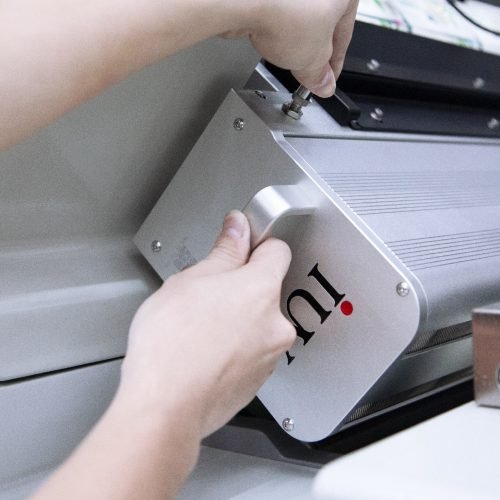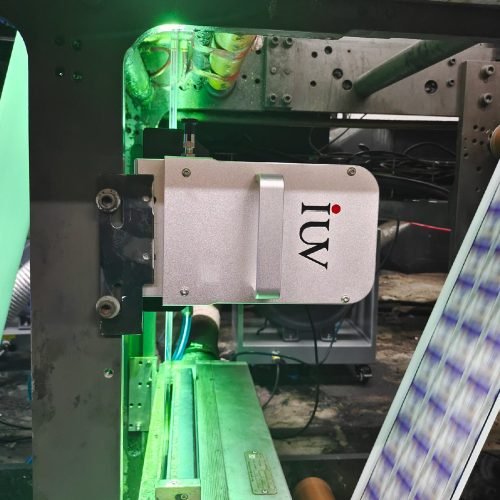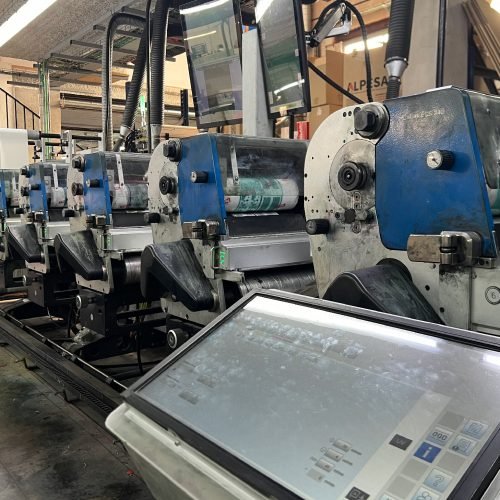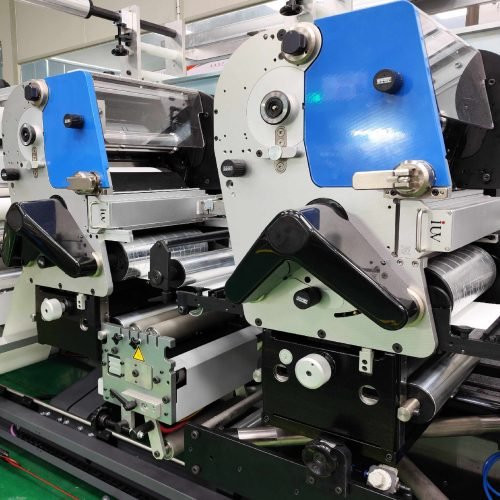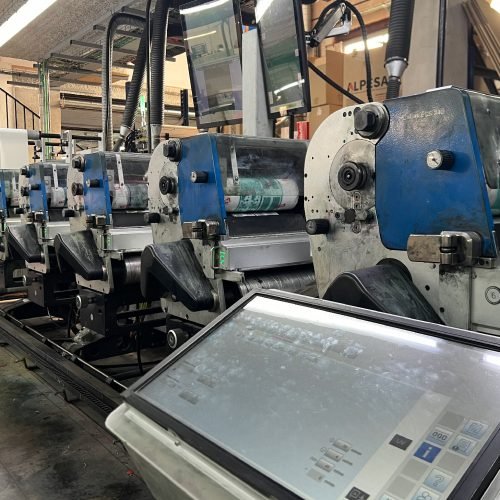
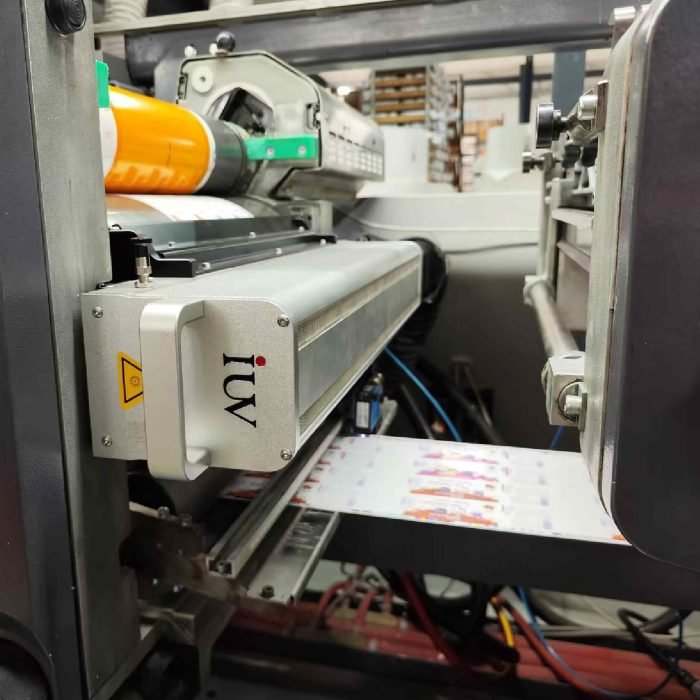
The shift toward sustainable practices in printing isn’t just a trend—it’s a financial necessity. LED UV curing systems are rewriting the rules for energy efficiency across label, flexo, offset, and narrow-web printing. Unlike traditional mercury-vapor lamps, these solid-state devices eliminate warm-up cycles and slash power consumption by up to 70%. Printers running multiple shifts see the fastest ROI, with some recouping costs in under 18 months through reduced electricity bills and lower HVAC loads.
Label converters benefit particularly from instant-on LED capabilities. Short-run jobs no longer waste energy idling lamps between batches. The directional nature of LED output allows precise curing of sensitive substrates like thin films and heat-sensitive labels without distortion. One Midwest converter reported a 40% drop in energy costs after retrofitting two narrow-web presses, while maintaining print speeds of 200 fpm.
Flexographic operations gain dual advantages: reduced thermal distortion on flexible packaging and elimination of ozone generation. LED’s cool-cure technology prevents substrate shrinkage during multilayer printing—a game-changer for high-barrier food packaging. The absence of infrared heat means less chill roll dependency, cutting both energy use and maintenance costs. A Canadian flexo printer slashed their annual energy spend by $28,000 across six presses while achieving sharper dot reproduction on PET films.
Offset printers adopting LED retrofits discover unexpected perks beyond energy savings. Quick-cure inks allow immediate finishing without gas-fired drying tunnels. One commercial sheetfed operation reduced their drying energy consumption by 62% while cutting VOC emissions to near-zero levels. The stable UV output across 20,000 hours minimizes print quality variables compared to decaying mercury lamps.
Narrow-web specialists leverage LED adaptability for hybrid printing environments. One New York-based converter combined digital inkjet with LED curing to handle variable-data labels for pharmaceutical clients. The setup uses 50% less energy than conventional UV tunnels while maintaining compliance with FDA ink migration standards.
Three factors dictate LED system ROI:
- Duty cycle (continuous vs. intermittent use)
- Local electricity rates
- Existing cooling infrastructure needs
Modular LED arrays now enable targeted curing for intricate designs. Printers using white or metallic inks report better opacity retention due to optimized wavelength matching. The latest systems integrate with Industry 4.0 platforms, providing real-time energy metrics per job—critical for shops pursuing ISO 50001 certification.
Maintenance teams appreciate the simplicity: no bulb replacements, no reflector degradation, no hazardous mercury disposal. A recent case study showed a 300% increase in uptime for a tag-and-label press after switching to LEDs, primarily from eliminating lamp-related stoppages.
While upfront costs still deter some, leasing models and utility rebates are changing the math. California’s SGIP program now covers 30% of LED curing installations for qualifying printers. The technology’s compatibility with bio-based inks and recyclable substrates positions it as a cornerstone for circular economy initiatives in print manufacturing.
Peak efficiency comes from pairing LED systems with optimized ink chemistry. Major ink suppliers now offer formulations that cure at 395nm wavelengths, requiring 25% less energy than broad-spectrum alternatives. Trials with cationic LED inks show promise for food-safe applications, potentially replacing expensive lamination steps in flexible packaging.
As global energy prices fluctuate, the certainty of LED’s low operational costs provides budget stability. Print facilities with solar arrays find LED systems complement renewable energy strategies perfectly—their intermittent power draw aligns with photovoltaic output patterns. The next frontier involves integrating UV-LED with low-temperature plasma treatment for challenging substrates like recycled plastics.
The transition mirrors digital printing’s rise in the 2000s—early adopters gain competitive pricing advantages through operational savings. With mercury lamp bans expanding across Europe and North America, upgrading to LED curing isn’t just about energy reduction—it’s about future-proofing print operations against regulatory shifts and client sustainability demands. Those delaying the switch risk losing contracts to eco-certified competitors while shouldering avoidable energy overhead.