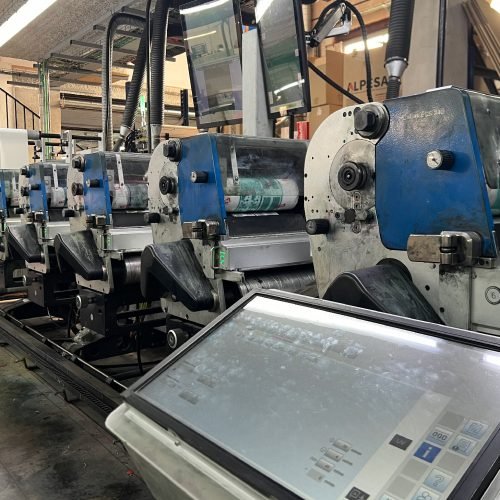
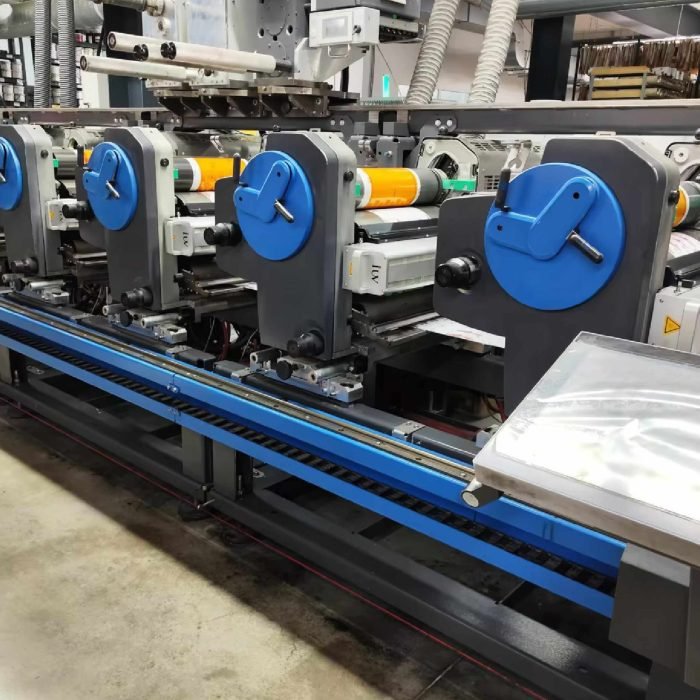
The printing industry’s shift toward UV curing systems isn’t just a trend—it’s a survival strategy. As labels demand sharper detail, packaging requires faster turnaround, and sustainability regulations tighten, traditional drying methods struggle to keep pace. Enter LED-UV curing: a technology rewriting the rules for label, flexo, offset, and narrow-web printers.
Labels That Stick (Without the Wait)
Label printers face a brutal reality: clients want metallic inks on synthetic materials yesterday. Conventional solvent drying? That’s a 12-hour hostage situation for your production floor. UV curing liberates presses in seconds, unlocking specialty substrates like PET and polypropylene without warping. The kicker? Those eye-catching metallic and white inks stay crisp, even on wine bottles destined for frosty refrigerators.
Flexo’s Secret Weapon Against Dot Gain
Flexographic shops know the struggle—printing at 150 lpi only to watch details blur during drying. UV inks don’t wait around to soak into substrates. They lock into position the instant UV light hits, preserving hairline text on pharmaceutical packaging and micro-embossing on luxury labels. One converter reported a 40% reduction in waste after switching, all while running water-based inks without the drying tunnel bottleneck.
Offset’s Quiet Revolution
Sheetfed offset operators are sneaking UV systems into their arsenals. Why? Imagine printing on plastic cards, acrylics, or even untreated HDPE without priming. UV’s instant cure eliminates set-off, letting shops stack sheets hot off the press. A commercial printer in Ohio slashed their coated paper drying time from 8 hours to 8 seconds, turning 48-hour jobs into same-day deliveries.
Narrow Web’s Speed Play
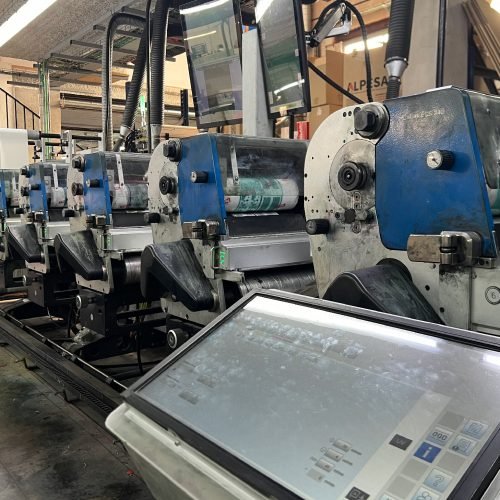
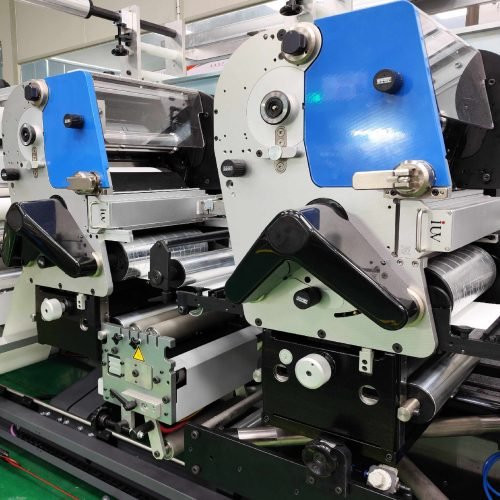
In the narrow-web arena, UV is the ultimate enabler. Shrink sleeves that used to require 24-hour drying now cure at 100 fpm. Thermal transfer overprint? Done inline without melting the substrate. The real game-changer: hybrid systems allowing cold foil stamping, screen printing, and digital toner all in one pass. A tag manufacturer doubled their SKU variety without adding presses simply by layering UV-cured effects.
The LED Edge
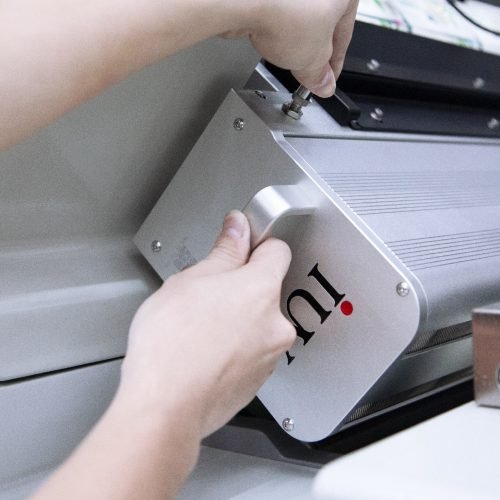
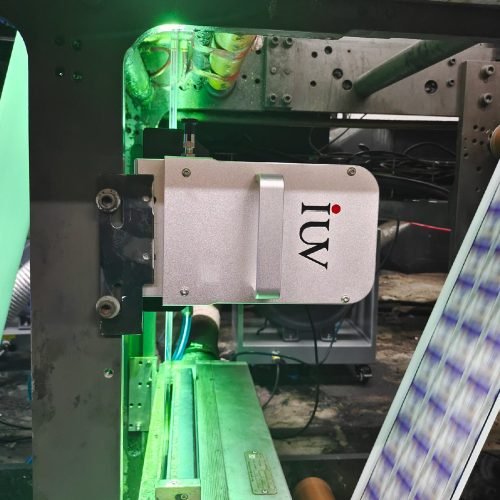
Modern LED-UV units aren’t your father’s mercury-vapor dinosaurs. With wavelengths tuned to specific photoinitiators, today’s systems cure inks without ozone or excessive heat. A label converter in Germany runs their LED-UV press at 23°C—perfect for heat-sensitive films. Maintenance? Swap the lamps every 20,000 hours instead of 1,000. Energy bills dropped 60% compared to traditional UV, with instant on/off capability eliminating warm-up waste.
Chemistry Meets Precision
UV’s magic lies in the ink-engineer handshake. Photoinitiators like TPO and ITX absorb specific UV spectra, triggering polymerization that’s more molecular handcuffs than drying. This creates films resistant to scuffing on tool handles or chemical exposure in automotive parts. Formulators now tweak recipes for adhesion on everything from recycled cardboard to aerospace composites.
The Substrate Revolution
UV curing turned previously “unprintable” materials into profit centers. Print direct on raw aluminum for industrial tags. Decorate thick PVC panels without warping. Even 3D-printed prototypes get UV-printed markings that survive handling. A display shop in Milan credits UV for enabling scratch-resistant graphics on textured acrylics—a job that used to require outsourcing.
The Energy Equation
While UV lamps draw power, the math favors converters. Consider:
- Zero venting costs (goodbye, VOC regulations)
- No drying ovens guzzling natural gas
- Presses that stop/start without wasting energy
A packaging plant in Texas found their UV hybrid press used 18% less total energy per sheet than their old solvent-based system, despite higher electricity use.
The Future Is Hybrid
Smart shops aren’t going full UV—they’re blending technologies. Run water-based inks with UV overprint varnish. Combine EB curing for thick films with LED-UV for detail work. One label printer alternates between conventional and UV inks based on substrate, all on the same press. This flexibility lets them tackle 30% more job types without capital investments.
As substrates diversify and lead times evaporate, UV curing stops being optional. It’s the key to printing on tomorrow’s materials—today. The shops thriving right now aren’t just buying equipment; they’re reimagining what’s printable. Those waiting for “the right time” to upgrade? They’re too busy explaining why their inks smudged on HDPE.