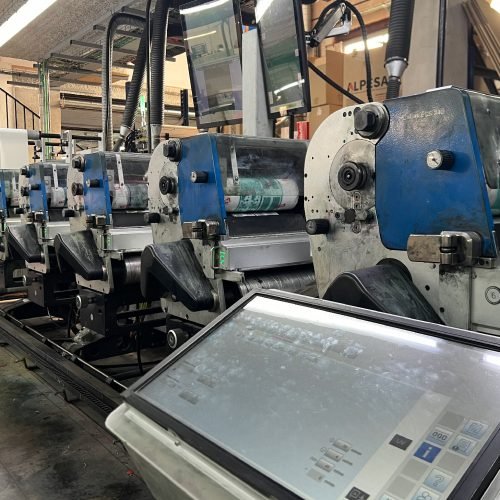
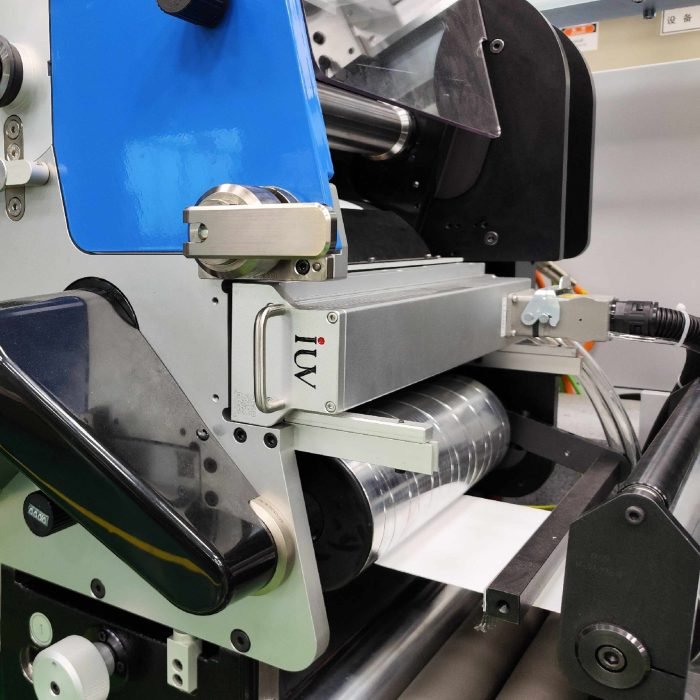
The label industry’s heartbeat syncs with innovation, and nowhere is this rhythm more palpable than in the rapid evolution of UV curing flexo printing. As global demand for shorter runs, faster turnaround times, and sustainable practices intensifies, manufacturers and converters lean into technologies reshaping how labels get made. Let’s unpack what’s driving this transformation.
Flexographic printing’s dominance in label production stems from its adaptability. Unlike offset’s plate-dependent process or digital’s niche in ultra-short runs, flexo straddles the middle ground with agility. Modern plate technologies – think flat-top dots and high-resolution digital plates – now deliver offset-like quality while maintaining flexo’s speed advantage. But the real game-changer? UV curing’s marriage with flexo.
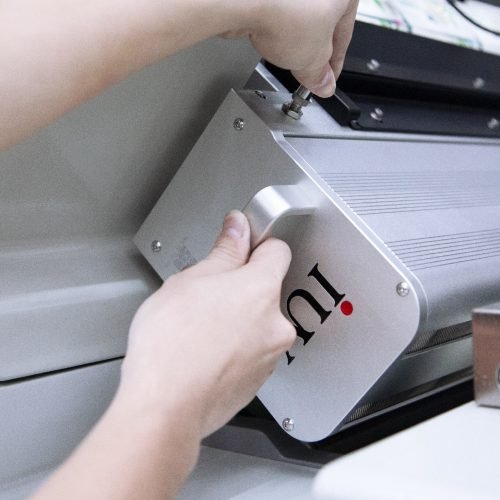
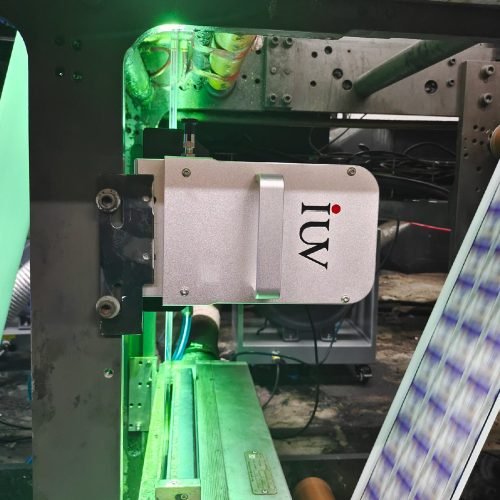
Traditional mercury-vapor UV systems paved the way, but LED UV curing rewrites the rules. Mercury lamps’ 15-minute warm-up? Gone. LED arrays hit full intensity instantly, slashing energy waste during idle periods. The spectral precision of LEDs – targeting specific photoinitiators in inks – reduces heat generation by up to 70% compared to conventional systems. For pressure-sensitive labels on heat-sensitive films, this isn’t just convenient; it’s transformative.
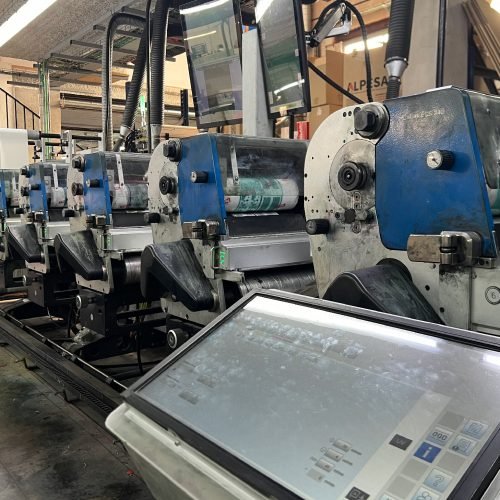
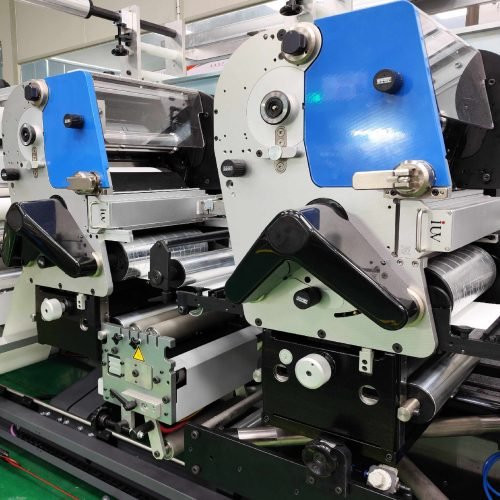
Narrow-web presses benefit disproportionately. A 10-color label press running LED UV can now switch between metallic inks, opaque whites, and process colors without compromising cure speed. The elimination of ozone generation (a byproduct of mercury lamps) means workshops ditch expensive ventilation upgrades. For converters serving cosmetics or food sectors, this translates to easier compliance with stringent manufacturing environment regulations.
Sustainability pressures accelerate adoption. UV-cured inks contain 0% VOCs – a critical differentiator as global regulations tighten. Major brands’ ESG commitments now trickle down to label suppliers: Walmart’s Project Gigaton and similar initiatives push converters toward cleaner technologies. LED UV’s energy profile – some systems draw less than 25% of traditional UV’s power – aligns with carbon footprint reduction targets without sacrificing production speed.
Material innovation dovetails with these advances. Shrink sleeves, recyclable PE films, and compostable label stocks demand curing systems that handle diverse substrates. LED UV’s cooler operation prevents distortion in thin-gauge materials while maintaining adhesion on challenging surfaces like untreated polypropylene. Hybrid systems emerge, combining UV flexo with digital embellishment units for metallic effects or tactile varnishes – all cured inline at 150 meters per minute.
The operational calculus tilts further when considering maintenance. Mercury lamps require regular replacement (typically 1,000-1,500 hours), while LED modules boast lifespans exceeding 20,000 hours. Downtime shrinks; production schedules stabilize. For contract label printers juggling multiple clients, reliability becomes a competitive edge.
Color consistency – the holy grail of label printing – gains new insurance through UV technology. Instant curing halts dot gain in its tracks, maintaining color accuracy across long runs. Brands demanding Pantone-matched spot colors across global markets find fewer variables to manage when UV curing standardizes output.
Challenges persist. Initial investment in LED UV-capable presses gives smaller converters pause, though ROI models show payback periods under 18 months through energy savings and reduced waste. Ink formulators race to develop LED-compatible chemistries that cure at lower wavelengths without compromising scratch resistance or flexibility.
Looking ahead, integration with Industry 4.0 looms large. Presses with built-in UV dose sensors automatically adjust lamp intensity based on substrate reflectivity and ink coverage. Predictive maintenance algorithms track LED degradation patterns, scheduling module replacements during planned downtime. Cloud-connected curing systems could soon auto-order replacement inks based on real-time consumption data.
The label market’s trajectory points toward hyper-customization. Imagine a pharmaceutical label combining tamper-evident features, braille text, and variable data – all printed and cured in a single pass. Or smart labels with printed electronics, cured instantly without damaging sensitive components. UV flexo, with its speed and material versatility, positions itself as the workhorse for these complex demands.
Regulatory tailwinds strengthen the case. The EU’s Circular Economy Action Plan and similar frameworks prioritize recyclable packaging. UV-cured inks facilitate this – their complete polymerization creates surfaces that don’t interfere with recycling processes. In beverage labeling, where wash-off adhesives reign, UV-cured inks maintain integrity through bottling line rigors while remaining compatible with glass recycling streams.
Workforce dynamics play a role too. Younger press operators gravitate toward cleaner, quieter LED UV systems over traditional setups. The elimination of mercury handling reduces training complexity and liability concerns. As the industry battles skilled labor shortages, technologies that simplify operations gain traction.
In this landscape, converters who master UV flexo’s potential will dictate market trends. They’ll answer brand demands for shorter runs with premium finishes, comply with sustainability mandates without cost penalties, and tackle emerging substrates as packaging evolves. The pressroom of tomorrow isn’t just about putting ink on film – it’s about orchestrating light, chemistry, and precision engineering to create labels that sell, protect, and endure.