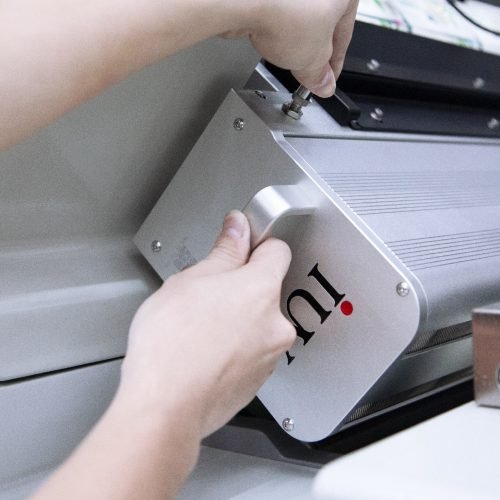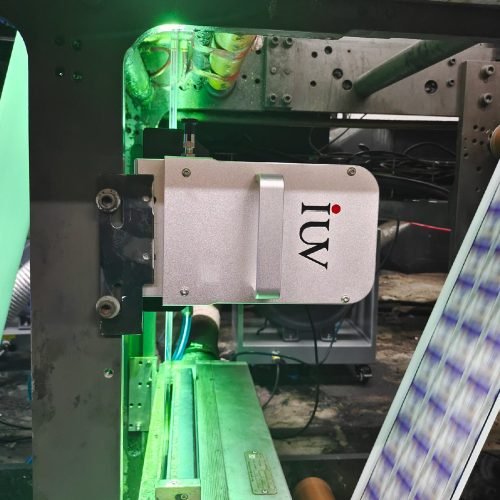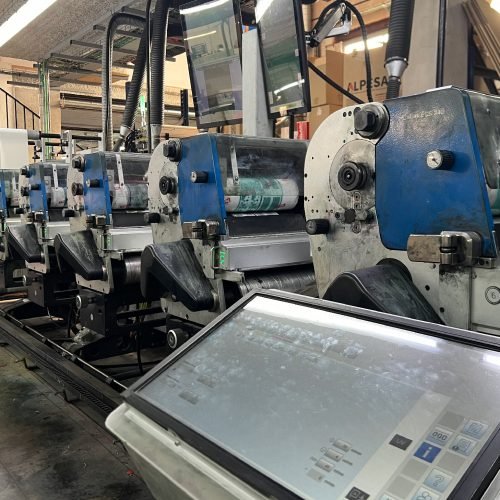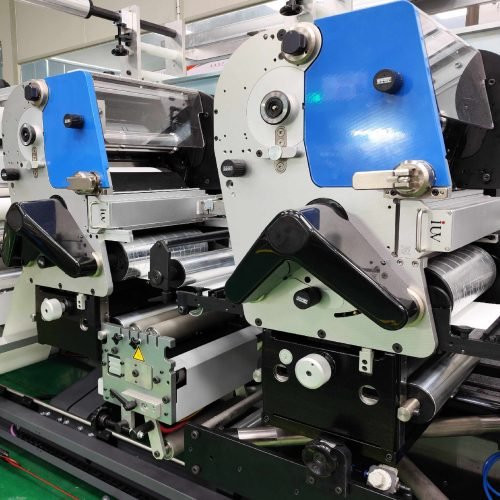
The printing industry thrives on adaptability. As substrates diversify from traditional papers to synthetics, films, and even temperature-sensitive materials, conventional curing methods hit limitations. Mercury-vapor lamps once dominated UV curing, but their high heat output and energy demands created barriers. Enter LED curing systems – a shift redefining what’s printable.
Label printers face unique substrate challenges. Pressure-sensitive labels demand adhesion without warping thin films. Thermal-sensitive materials like polyethylene shrink under mercury lamps’ infrared radiation. LED systems emit negligible heat, enabling crisp detail on shrink sleeves and delicate label stocks. Cold curing preserves dimensional stability, critical for precision-cut labels in pharmaceutical or cosmetic packaging.
Flexographic printing gains agility with LED. Faster curing speeds allow inline processes previously hampered by mercury lamps’ warm-up times. Printers achieve higher throughput on narrow-web presses for tags, pouches, and flexible packaging. The instant on/off capability reduces energy waste during job changes. Environmentally conscious brands favor LED’s elimination of ozone generation and mercury disposal concerns – a tangible sustainability story for flexible packaging markets.
Offset printers leveraging UV technology discover expanded substrate compatibility. LED-cured inks maintain sharp dot reproduction on non-porous materials like metallic stocks or acrylics. The absence of heat prevents substrate expansion/contraction during sheetfed printing, ensuring register consistency across synthetic papers. Print buyers increasingly specify unusual materials for luxury packaging; LED curing meets these demands without retrofitting entire presses.
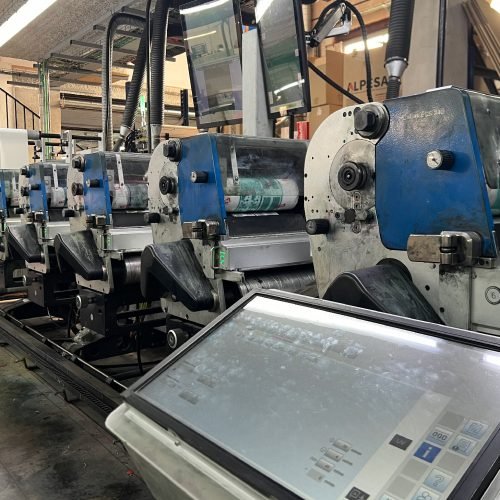
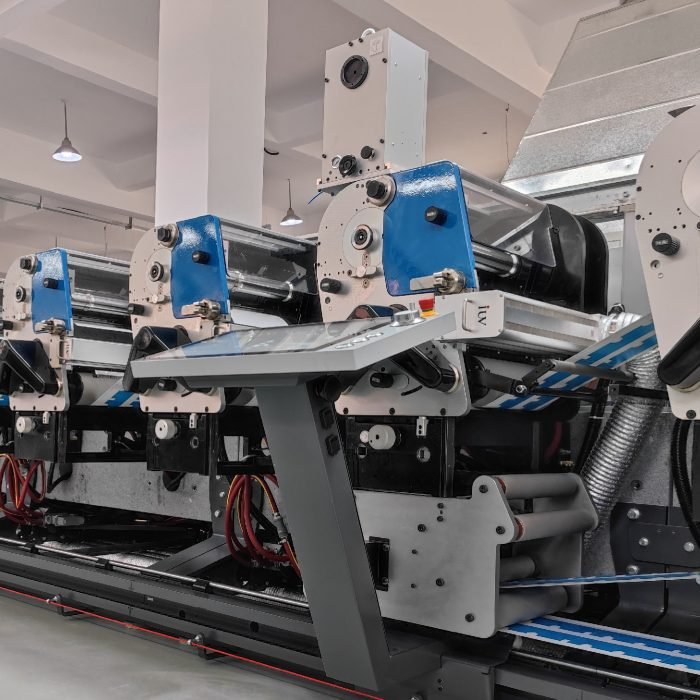
Narrow-web hybrid presses benefit disproportionately. Combining digital print units with LED curing enables mixed-substrate jobs unimaginable a decade ago. Print a polyester label stock followed by a heat-sensitive textured paper without adjusting cure parameters. The spectral precision of LEDs (typically 365-395nm wavelengths) allows formulation of inks that cure thoroughly on challenging surfaces – including BOPP films and recycled substrates with uneven porosity.
Material science advancements intersect with LED’s capabilities. Ink chemists now optimize photoinitiators for specific LED wavelengths, creating formulations that adhere to polycarbonates, untreated polyolefins, and even some engineering plastics. Printers service industrial clients needing direct part marking – printing onto curved surfaces or irregular textures becomes feasible with low-heat, rapid-cure LED systems.
Energy consumption data reveals operational advantages. Mercury lamps operate at 300-600 watts per inch; comparable LED arrays use 80-150 watts. For 24/7 operations, this slashes power costs. Longer lifespan (15,000 hours vs. 1,000-2,000 hours for mercury bulbs) reduces maintenance downtime. Facility managers note reduced HVAC loads – no need to compensate for mercury lamps’ excessive heat output.
Substrate innovation cycles accelerate with LED adoption. Metallized papers no longer require heat-resistant coatings. Thin PET films avoid the curling that plagued traditional UV curing. Textile printers experiment with LED-cured coatings on temperature-sensitive fabrics. The technology enables printing on materials previously considered “unprintable” – cork, certain bioplastics, even thin glass substrates for specialty electronics.
Regulatory tailwinds reinforce LED adoption. Global phase-outs of mercury-based lighting (Minamata Convention) pressure printers to transition. LED systems align with REACH and RoHS compliance, eliminating hazardous material handling. Brand owners pushing for greener supply chains prefer partners using mercury-free curing – a competitive differentiator in tenders for medical or food-contact packaging.
The substrate revolution remains ongoing. As LED wavelengths become more tunable and ink chemistries evolve, printers will unlock new applications. Imagine printing directly onto biodegradable mycelium-based materials or ultra-thin solar cell substrates. The constraint shifts from “can we print on this?” to “what market need does this substrate address?”
For print providers, the strategic implication is clear: LED curing isn’t merely an equipment upgrade. It’s a gateway to high-margin niche markets where substrate expertise commands premium pricing. The technology transforms substrate limitations into creative opportunities – whether that’s printing tactile effects on cosmetic packaging or durable markings on aerospace components.
Transition timelines vary by operation, but the substrate expansion trend remains irreversible. Early adopters report 20-35% increases in acceptable material ranges, directly translating to broader client rosters. As material scientists develop substrates leveraging LED’s cold-cure advantage, forward-thinking printers position themselves as solution partners rather than mere service vendors.
The question morphs from technical feasibility to market imagination. What substrate challenges have clients reluctantly accepted as impossible? LED curing systems suggest those barriers may now be negotiable.