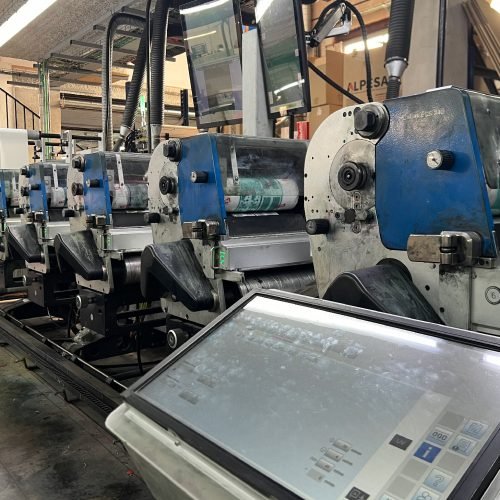
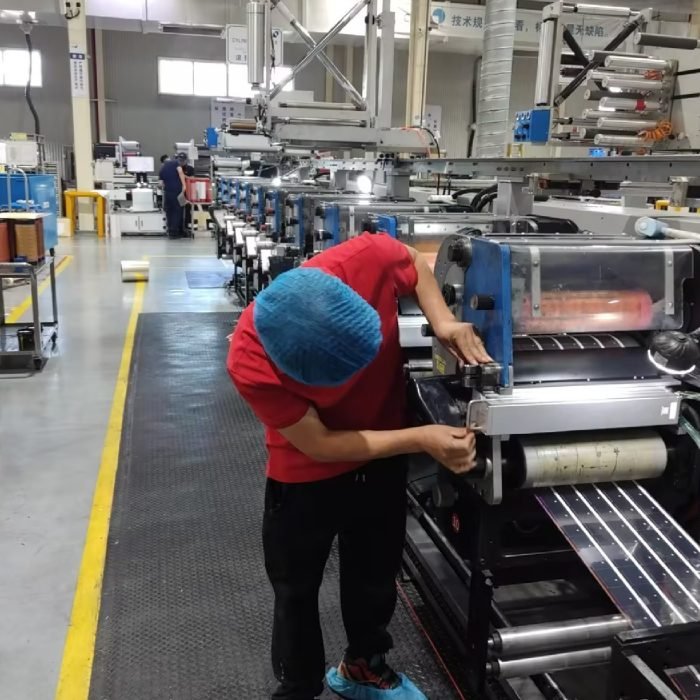
In the competitive world of label and packaging printing, achieving intense color density while maintaining consistency across long print runs separates premium products from average ones. UV curing flexography has emerged as a game-changer, particularly when paired with LED technology. Let’s explore why this combination delivers results that leave conventional methods in the dust.
Traditional solvent-based inks require time to dry through evaporation, creating inherent limitations. As solvents escape, ink film thickness decreases slightly, leading to subtle variations in color density. The evaporation process itself can be affected by ambient temperature and humidity, introducing another variable. UV flexo inks, in contrast, remain stable until exposed to specific wavelengths of ultraviolet light. This controlled curing process eliminates solvent evaporation entirely, preserving the exact ink film thickness applied by the anilox roller. The result? Colors maintain their designed intensity from the first impression to the ten-thousandth.
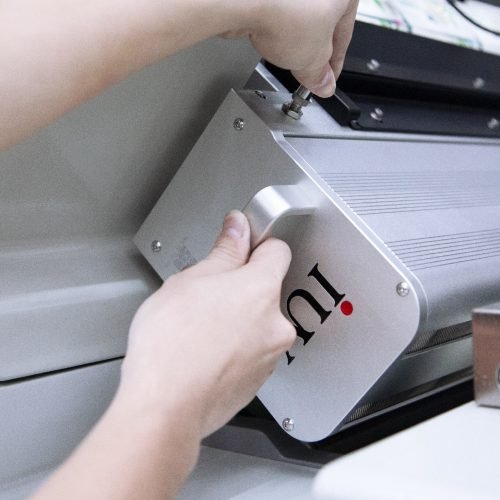
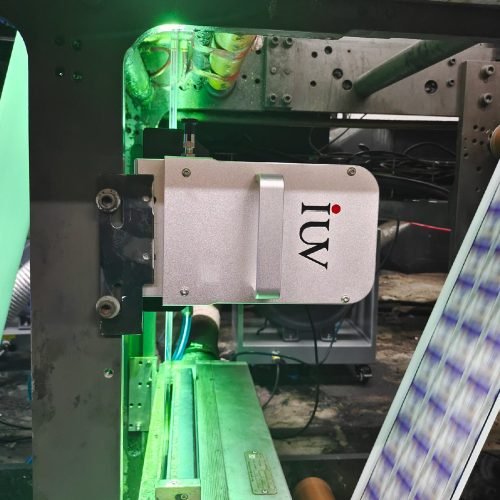
LED UV systems take this precision further by offering spectral control unmatched by conventional mercury vapor lamps. Modern LED arrays can be tuned to emit UV light within tight wavelength bands optimized for specific photoinitiators in the ink. This targeted energy delivery ensures complete curing without overexposure, preventing ink from becoming brittle or discolored. The absence of infrared radiation in LED systems also keeps substrate temperatures stable, critical when printing heat-sensitive materials like thin films or pressure-sensitive labels.
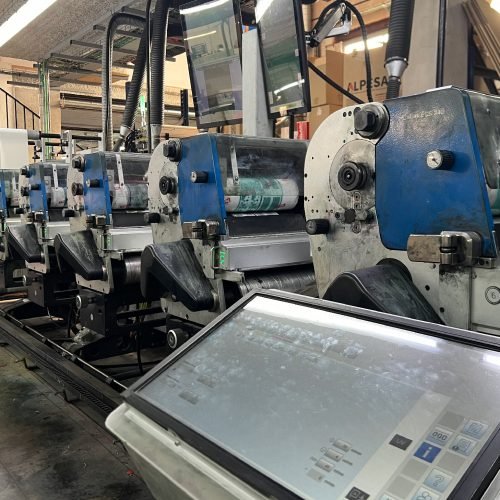
Narrow web printers particularly benefit from UV flexo’s ability to handle intricate graphics. The instant cure prevents dot gain even on high-resolution flexo plates, maintaining sharp edges on small text and fine lines. This capability proves vital for pharmaceutical labels requiring legible dosage information or luxury packaging demanding flawless brand elements. Unlike offset printing, which struggles with consistent ink transfer on short runs, UV flexo maintains color accuracy whether printing 500 labels or 50,000.
Color consistency challenges multiply when printing metallic substrates or transparent films. UV inks form a perfectly flat surface after curing, creating uniform light reflection across metallic surfaces. On clear materials, the controlled ink film thickness ensures predictable light transmission for consistent backlit effects. This level of control explains why UV flexo dominates in premium wine labels and technical industrial markings where color accuracy directly impacts perceived quality.
The environmental angle shouldn’t be overlooked. LED UV systems consume up to 70% less energy than traditional curing setups while generating zero ozone. This efficiency allows printers to meet sustainability targets without compromising print quality. The elimination of solvent recovery systems reduces floor space requirements – a crucial factor for narrow web operations. Printers transitioning from water-based systems report immediate reductions in waste since UV inks don’t require pH balancing or viscosity adjustments during runs.
Operational advantages extend beyond environmental benefits. Instant curing allows for inline finishing processes like die-cutting and lamination, slashing production time. One beverage label converter reported reducing their workflow from three passes to a single pass after adopting UV flexo, cutting job completion time by 60%. The ability to print on diverse substrates – from textured papers to synthetic films – without changing ink formulations further streamlines operations.
Critics sometimes cite higher ink costs as a UV flexo drawback, but this perspective misses the bigger picture. Reduced waste from color consistency, elimination of solvent costs, and lower energy bills frequently offset the per-unit ink price difference. A case study from a European label printer showed 22% lower total production costs per square meter after switching to LED UV flexo, despite a 15% increase in ink expenses.
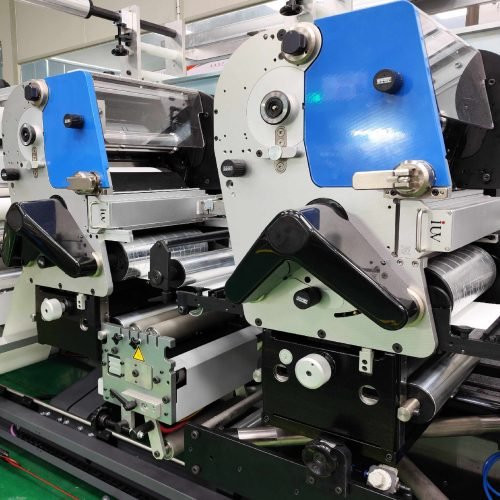
Advancements in hybrid printing systems now combine UV flexo with digital units for variable data applications. This hybrid approach maintains color consistency across static elements while adding unique codes or graphics digitally – perfect for anti-counterfeiting measures or personalized packaging. The UV curing process ensures both print methods cure at the same rate, preventing smudging or offsetting between stations.
As brands demand shorter runs with more frequent design changes, UV flexo’s quick job changeovers become increasingly valuable. One cosmetics printer reduced makeready time by 40% after transitioning to UV, attributing this to eliminated drying time between color stations. The ability to cure inks immediately allows operators to verify color accuracy during setup without waiting for samples to dry, catching registration issues earlier.
The future points toward smarter UV systems integrating IoT sensors for predictive maintenance and real-time energy adjustment. Imagine curing units that automatically optimize UV output based on ink opacity detected by inline cameras, or that alert technicians about LED degradation before it affects print quality. These developments will push color consistency to levels previously unimaginable in flexographic printing.