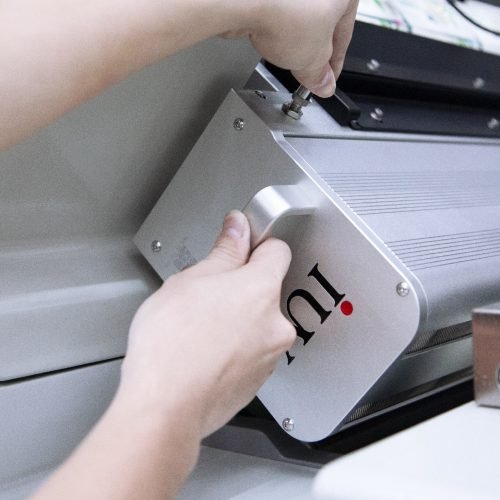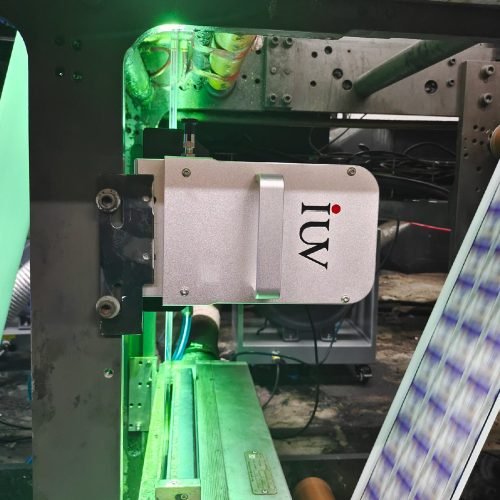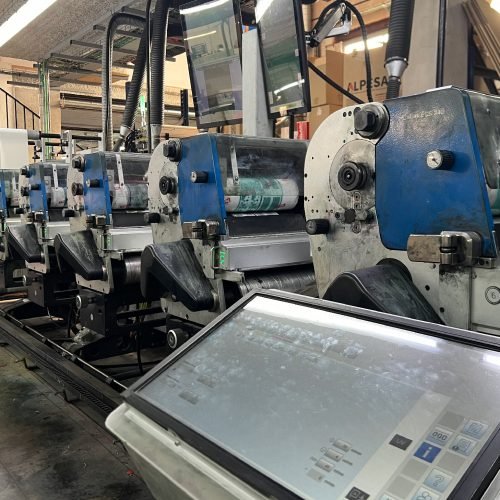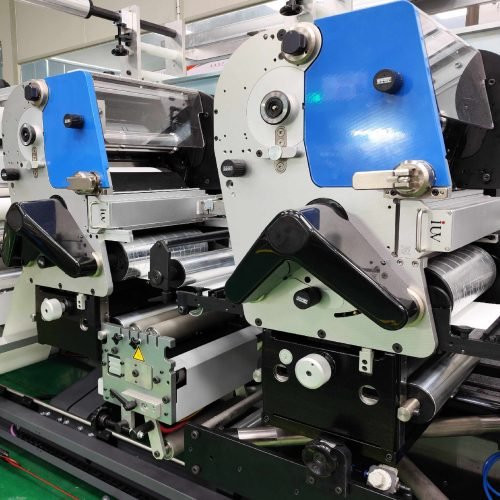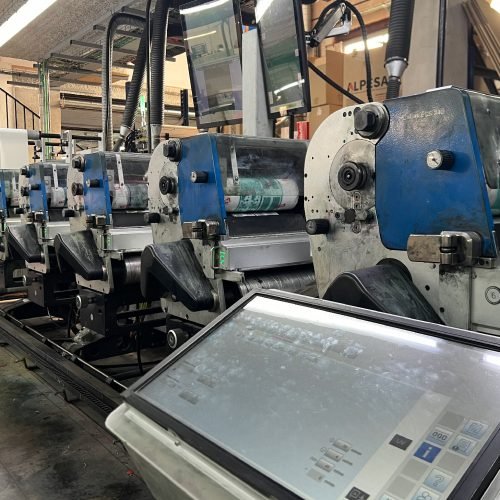
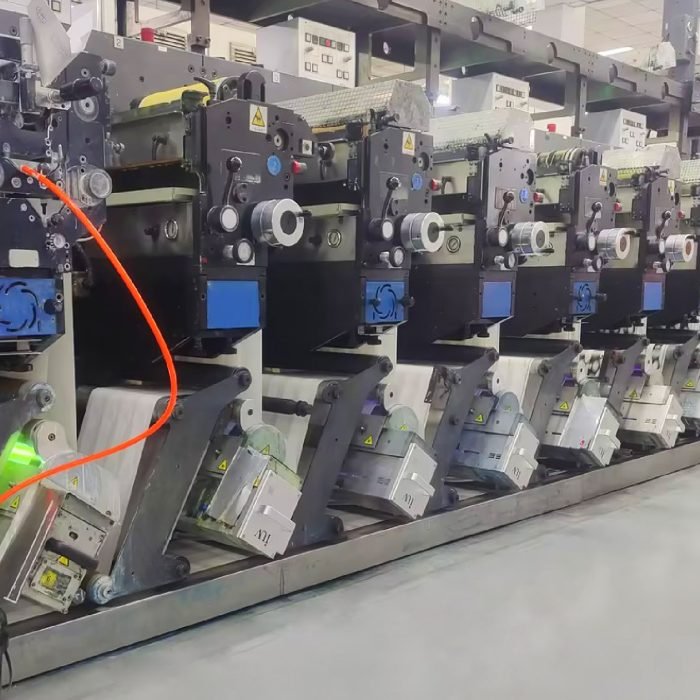
The demand for rapid production cycles in flexographic printing pushes manufacturers to seek technologies that eliminate bottlenecks. UV curing systems have emerged as the silent accelerators in this race, particularly in label and narrow web printing environments where speed directly impacts profitability. Unlike traditional drying methods that force press operators to choose between quality and throughput, modern LED UV curing delivers both – instant ink polymerization without compromising substrate integrity.
At the heart of this technology lies precise wavelength control. LED UV lamps emit targeted ultraviolet spectra matched to photoinitiators in specialized inks. This marriage of light and chemistry triggers immediate cross-linking reactions, transforming liquid coatings into durable films within milliseconds. The elimination of drying ovens removes physical constraints from press design, allowing for compact configurations that maintain registration accuracy at web speeds exceeding 600 feet per minute.
Print houses running hybrid offset-flexo setups particularly benefit from UV’s versatility. The technology bridges the gap between different printing methods, enabling seamless transitions between water-based and UV-curable formulations. In tag and label production, this flexibility proves crucial when handling variable data printing or last-minute design changes. Operators can instantly cure intricate security features or metallic finishes without interrupting the production flow.
Energy efficiency becomes a strategic advantage with UV systems. Traditional mercury vapor lamps waste substantial power through heat generation and warm-up cycles. LED alternatives consume up to 70% less energy while maintaining consistent output throughout their lifespan. This thermal efficiency protects heat-sensitive substrates like thin films and pressure-sensitive labels from warping or adhesive degradation – common pain points in high-speed narrow web applications.
The environmental calculus further strengthens UV’s case. Solvent-free formulations eliminate VOC emissions, aligning with tightening global regulations. Printers no longer need expensive afterburners or carbon filtration systems, reducing both capital expenditures and facility footprint. Waste minimization occurs through immediate curing, preventing ink spreading or dot gain even on non-porous materials like metallicized films or synthetic papers.
Maintenance protocols reveal another layer of operational efficiency. LED UV arrays require no bulb replacements or reflector cleaning, unlike conventional curing systems. Their solid-state construction withstands the vibrations inherent in high-speed presses, minimizing unplanned downtime. Smart sensors now integrate with press controls, automatically adjusting UV intensity based on substrate reflectivity and ink coverage – crucial when switching between opaque whites and translucent varnishes in label production.
Substrate compatibility continues expanding as chemists develop UV-curable solutions for challenging materials. Recent advances include low-migration inks for food packaging and stretchable coatings for shrink sleeves. These formulations maintain cure speed while meeting stringent regulatory requirements, allowing converters to tackle premium markets without sacrificing production tempo.
The financial narrative completes UV’s value proposition. While initial investment exceeds conventional drying systems, the ROI materializes through multiple channels: reduced energy bills, lower waste rates, and increased press utilization. Converters report achieving faster job turnover through eliminated drying waits, particularly valuable in short-run label printing where setup times dominate production schedules.
As flexographic printing evolves toward smarter manufacturing, UV curing stands as both enabler and beneficiary. Integration with digital front ends allows real-time adjustment of cure parameters based on ink coverage data. This closed-loop control prevents under-curing on dense graphics while avoiding excessive energy use on simple text elements. The technology’s silent operation and compact footprint further support lean factory layouts, maximizing productive space in crowded pressrooms.
The transition to UV represents more than equipment upgrade – it’s a strategic realignment of production capabilities. Print providers adopting this technology position themselves to capture high-margin specialty work, from tamper-evident labels to textured packaging effects. As brand owners demand faster turnaround on complex decorative finishes, UV-equipped converters hold the decisive advantage in tomorrow’s print marketplace.