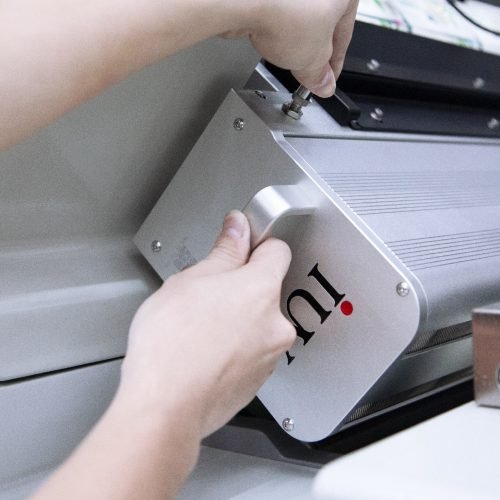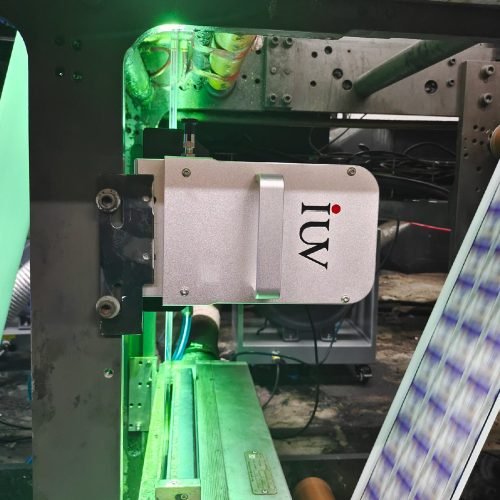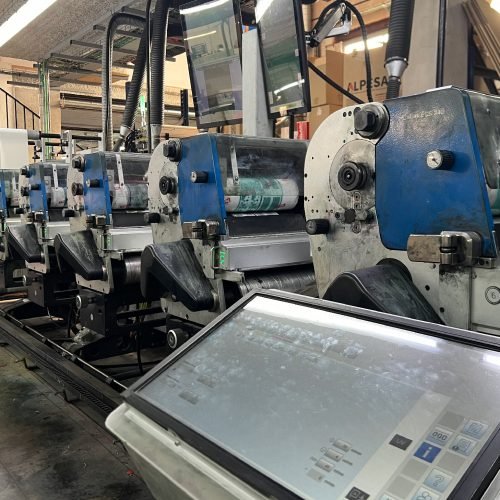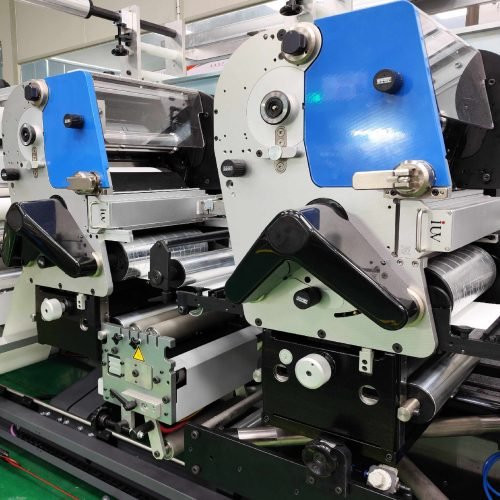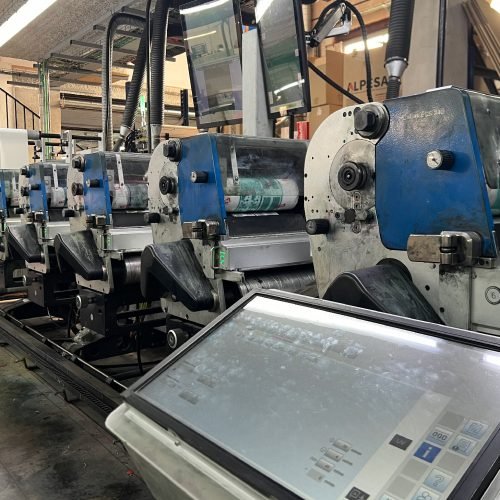
The luxury packaging and premium label markets demand printing technologies that marry precision with sustainability. LED UV offset printing has emerged as a game-changer, particularly for brands requiring metallic finishes, embossed effects, and vibrant color reproduction on delicate substrates. Unlike traditional mercury-vapor UV systems, LED curing operates at cooler temperatures – a critical advantage when printing on heat-sensitive materials like synthetic papers, metallic foils, and specialty coatings.
In label printing applications, LED UV’s instant curing enables wet-on-wet printing techniques that achieve opaque whites and rich blacks in a single pass. This proves invaluable for premium wine labels using cold foil stamping or cosmetic packaging requiring high-density inks. The technology’s compatibility with narrow web flexo presses allows converters to maintain color consistency across short-run metallic label jobs while eliminating solvent recovery systems.
Flexographic printing benefits particularly from LED UV when working with shrink sleeves and pressure-sensitive labels. The directional curing capability prevents ink spread on stretchable films, maintaining fine text legibility even after container application. For premium brands using tactile varnishes, LED systems cure thick coating layers without causing substrate warping – a common issue with conventional UV tunnels.
Offset printers adopting LED UV report 40-60% energy savings compared to traditional curing methods, with the added advantage of zero ozone emissions. The absence of infrared radiation makes it ideal for printing on temperature-sensitive substrates like PVC-free films and biodegradable laminates. In carton printing, LED UV achieves rub-resistant surfaces immediately after printing, crucial for high-gift cosmetic boxes that require flawless finishes.
Narrow web applications see particular benefits in hybrid printing configurations. A typical setup might combine LED UV flexo stations for spot colors with digital inkjet units for variable data – all cured instantly without interstation drying delays. This hybrid approach works exceptionally well for limited-edition luxury packaging where batch numbers or QR codes need individualization.
The chemistry behind LED UV inks plays an equally crucial role. Photoinitiators tuned to specific LED wavelengths (typically 365-395nm) enable complete curing even at press speeds exceeding 200 meters/minute. This spectral matching prevents residual photoinitiator migration – a vital consideration for food-contact packaging compliant with EU No 10/2011 regulations.
Recent advancements in LED UV technology address historical limitations. Dual-wavelength LED arrays now cure thick ink films and opaque whites more effectively, while adjustable intensity controls prevent over-curing of delicate substrates. Some press manufacturers integrate LED units with inert gas chambers, virtually eliminating oxygen inhibition during curing for superior surface hardness.
For converters weighing LED UV against other options, the decision matrix often comes down to substrate diversity and energy costs. While EB (electron beam) curing offers deeper penetration for thick coatings, it requires significant infrastructure investments. LED UV’s plug-and-play compatibility with existing offset and flexo presses makes it more accessible for medium-sized operations specializing in premium packaging.
The environmental profile of LED UV continues improving as ink manufacturers develop bio-based acrylate oligomers. Combined with mercury-free curing and reduced VOC emissions, this positions LED UV as a cornerstone technology for luxury brands pursuing sustainability certifications like FSC or Cradle to Cradle.
Practical implementation tips for converters transitioning to LED UV include:
- Conducting spectral analysis of existing substrates to prevent UV blocker interference
- Gradually increasing LED intensity during press runs to avoid thermal shock on materials
- Implementing nitrogen inerting for applications requiring maximum cure through depth
- Partnering with ink suppliers to optimize pigment loadings for specific LED wavelengths
As luxury brands increasingly demand special effects like thermochromic inks or scent microcapsules, LED UV’s gentle curing process becomes indispensable. The technology’s ability to handle these functional coatings without compromising shelf appeal positions it as the backbone of next-generation premium packaging solutions.
Future developments point toward integrated LED UV systems with real-time cure monitoring, using spectral sensors to adjust energy output dynamically. This could enable perfect curing across mixed substrate jobs – say, a gift box combining metallic accents with uncoated recycled board. For printers serving luxury markets, mastering these nuances becomes the differentiator between adequate and exceptional results.
The intersection of LED UV with other technologies like augmented reality triggers creates new possibilities. Imagine a perfume box where UV-cured conductive inks form invisible touchpoints that activate digital content – all achieved without compromising the package’s tactile elegance. As brands compete for shelf impact in premium segments, such technical synergies will define the next decade of luxury printing innovation.