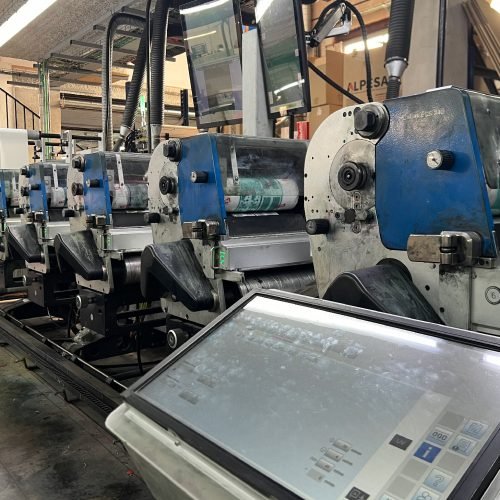
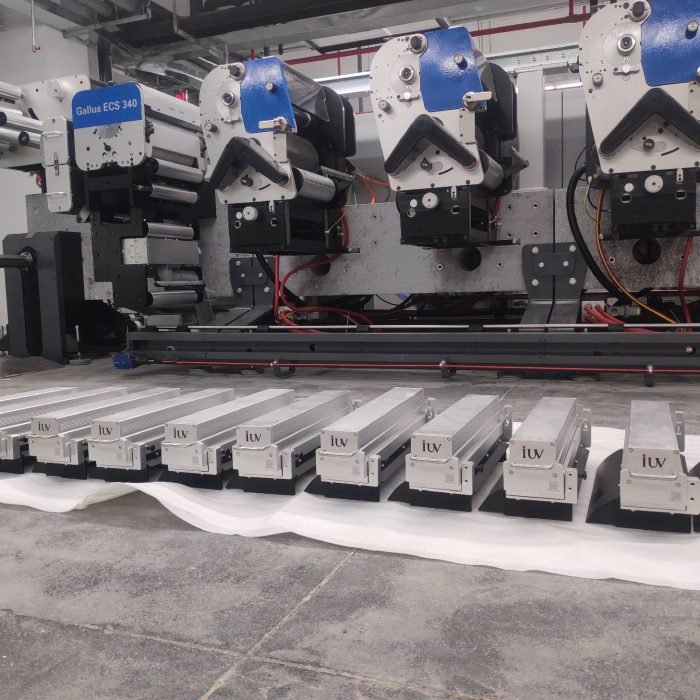
The print industry’s evolution hinges on marrying precision with speed, and UV LED curing systems are rewriting the rules. For label, flexo, offset, and narrow-web printers, this isn’t just another tech upgrade—it’s a workflow revolution. Let’s cut through the jargon and explore how these systems are solving real-world production headaches while keeping sustainability in focus.
Labels That Stick Around (Without the Wait)
Label printers juggle intricate designs with tight deadlines. Traditional mercury lamps often bottleneck production with warm-up times and inconsistent curing. UV LED systems boot up instantly, curing inks and coatings at conveyor-belt speeds. The result? Crisp barcodes that scan flawlessly and metallic finishes that pop without compromising adhesion. For wine labels needing tactile varnishes or pharmaceutical labels requiring chemical resistance, the immediate cure eliminates smudging during die-cutting or rewinding.
Flexo’s Quiet Comeback
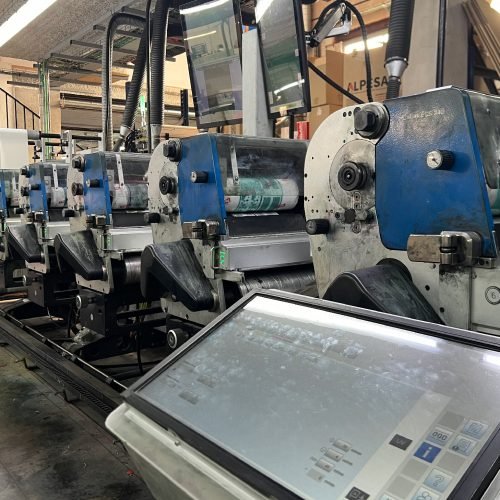
Flexographic shops once battled dot gain and drying times that limited color complexity. UV LED curing flips the script. By hardening inks mid-impression, it locks dots in place before they spread. Printers now push the envelope with HD plates and expanded gamuts, achieving offset-like detail on flexible packaging. Bonus: the cold-cure process prevents film substrates from warping—a game-changer for snack bags and shrink sleeves.
Offset’s Energy Diet
Sheetfed offset operators know the pain of energy-guzzling drying units. UV LED retrofits slash power consumption by 70% while eliminating ozone generators. The tech shines on hybrid presses: water-based inks for process colors, followed by LED-cured spot varnishes. Printers report reduced make-ready waste as LED intensity adjusts instantly for stock changes. For specialty applications like scratch-off lottery tickets, the pinpoint curing prevents overhardening of adjacent areas.
Narrow Web’s Secret Weapon
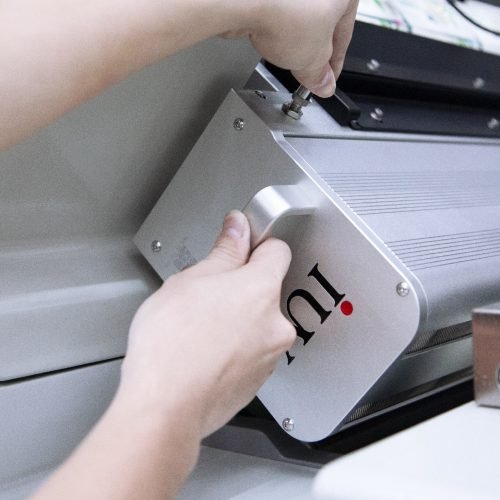
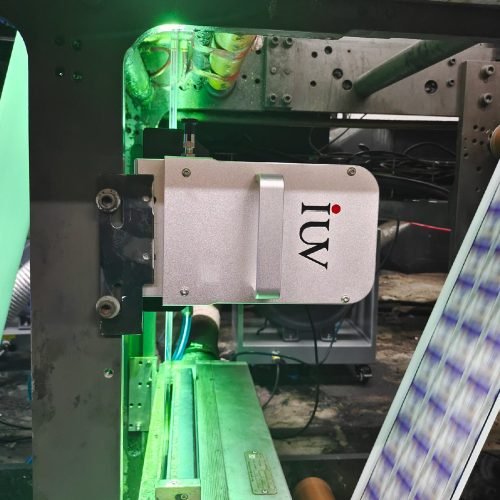
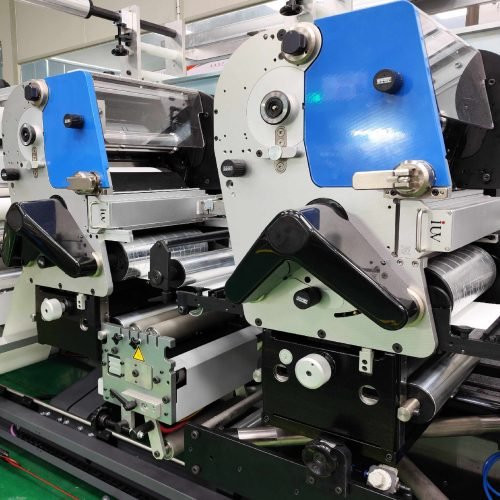
In the tag-and-label arena, every millimeter counts. UV LED’s compact modules enable curing in tight press configurations without heat buildup. This allows inline processes like screen-printed textures or digital overprinting on temperature-sensitive materials. One converter shared how switching to LED-cut their silicone release liner waste by 15%—the consistent cure prevented adhesive bleed-through during kiss-cutting.
The Chemistry Behind the Flash
Not all inks are created equal. UV LED formulations use photoinitiators tuned to 365-395nm wavelengths, unlike traditional UV’s broader spectrum. This specificity allows thinner ink films with equal performance. For printers, this means better opacity on metallic stocks and reduced ink consumption. Major ink suppliers now offer “dual-cure” hybrids that work under both LED and conventional UV, easing the transition for mixed-equipment shops.
Maintenance Myths Busted
Some fear LED systems demand PhD-level troubleshooting. Reality check: With no bulbs to replace or reflectors to clean, daily upkeep boils down to lens wiping. A midwestern printer tracked a 40% drop in unscheduled downtime after ditching mercury lamps. Thermal management? Modern air-cooled arrays handle 24/7 runs without flicker.
The Substrate Shift
LED curing’s low heat output opens doors to heat-sensitive materials. Printers experiment with everything from thin PETG films for electronics to recycled paperboard that previously scorched under conventional drying. A European converter recently nailed a contract for bamboo-based packaging—LED curing prevented the organic material from yellowing.
Cost Math That Actually Adds Up
The ROI conversation has shifted. While LED arrays carry higher upfront costs, the TCO picture reveals surprises:
- 30,000 hour lifespans versus 1,000-hour mercury bulbs
- No hazardous waste disposal fees
- Reduced HVAC loads from eliminated IR heat
A label converter crunched the numbers: Their 18-month payback period came from energy savings alone, not counting productivity gains from faster job turnover.
Regulatory Tailwinds
With mercury lamp phase-outs accelerating globally, LED isn’t just smart—it’s becoming inevitable. Early adopters position themselves as sustainability leaders, a growing differentiator in client RFPs. One packaging printer landed a Fortune 500 contract solely because their LED workflow aligned with the client’s zero-VOC manufacturing goals.
The Hybrid Horizon
Forward-thinking shops blend LED curing with other innovations. Imagine digital print engines with LED-intermediate curing for multilayer effects, or inline analog/digital hybrids where LED units handle both wet-on-wet printing and final cure. The technology’s compatibility with water-based and EB systems suggests we’re only scratching the surface.
For printers straddling the line between craft and efficiency, UV LED curing isn’t a replacement—it’s an amplifier. It preserves the artistry of print while delivering the reliability modern commerce demands. The shops thriving today aren’t those chasing the cheapest shortcuts, but those strategically adopting technologies that elevate both their capabilities and their margins.
Support Pollinations.AI:
🌸 广告 🌸 让您的标签、柔版与窄幅印刷因UV LED固化系统实现极速高质与节能升级。