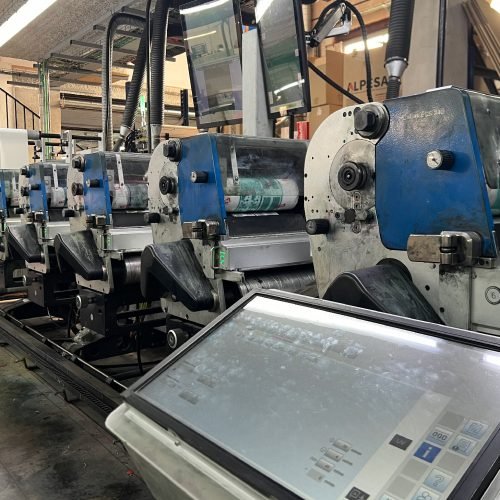
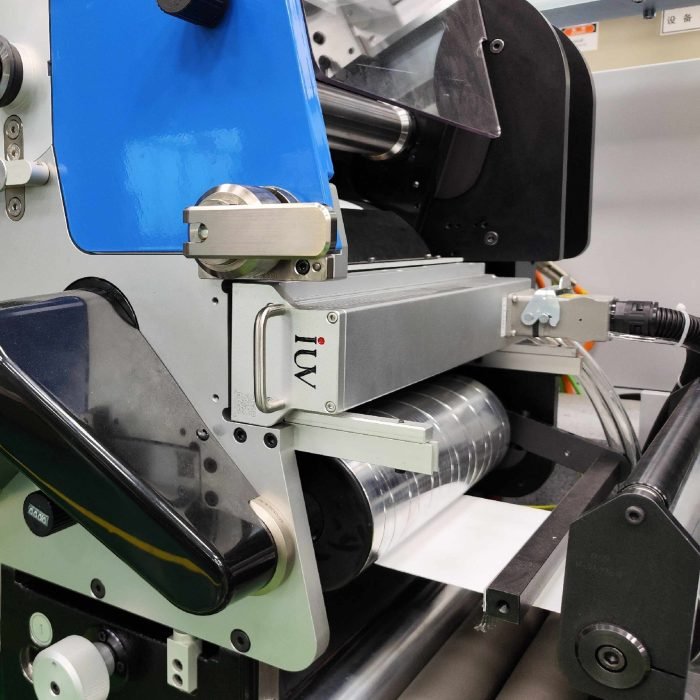
The label printing industry thrives on adaptability. Whether it’s a craft beer bottle surviving icy coolers or a medical label adhering through sterilization, substrates demand technology that keeps pace. UV LED curing systems have quietly revolutionized this space, not by reinventing presses, but by redefining what’s possible with the materials we print on.
Flexographic and narrow-web offset printers know the pain of substrate limitations. Traditional mercury-arc UV systems forced compromises—slower speeds on heat-sensitive films, adhesive challenges with synthetic papers, or ink curing inconsistencies across textured surfaces. LED UV changes the game through precise wavelength targeting. Unlike broad-spectrum mercury lamps, LEDs emit ultraviolet light tuned to photoinitiators in modern inks and coatings. This specificity eliminates excess heat, allowing even PETG shrink sleeves and thin polypropylene labels to cure without distortion.
Consider the rise of sustainable substrates. Recyclable kraft papers and compostable films often buckle under conventional UV heat. LED curing’s cooler operation preserves these delicate materials while maintaining production speeds. A brewery switching to biodegradable labels doesn’t need to choose between environmental goals and press throughput—LED systems handle the job at 200 fpm without warping edges.
Adhesion remains the silent killer in label performance. Screen-printed logos on curved HDPE containers? UV LED’s instant curing locks inks before they can migrate on low-surface-energy plastics. Hybrid printing setups benefit doubly: water-based flexo inks dry conventionally, while LED-cured varnishes provide scratch resistance without disrupting previous stations.
The substrate versatility extends beyond “what” to “how.” Rotary screen units applying textured coatings no longer fight premature curing from IR radiation. Digital label converters running toner and inkjet hybrids use LED arrays to crosslink overprint varnishes without affecting underlying prints. Even metallized substrates gain sharper graphics—LEDs cure inks evenly across reflective surfaces where mercury lamps might scatter energy.
Energy metrics matter, but the real story lies in uptime. Mercury lamps degrade output over months, forcing periodic slowdowns to maintain cure quality. LED systems maintain consistent intensity for 20,000 hours, letting a pharmaceutical printer run 24/5 on blister foil labels without recalibration. The absence of ozone generators and cooling fans cuts maintenance by 40% compared to older UV setups.
Critics argued early LED systems lacked punch for opaque whites or thick coatings. Modern high-intensity LEDs (395-410nm range) now cure 98% of label applications. The remaining 2%? Hybrid LED-mercury configurations handle specialty cases without sacrificing the core benefits.
Substrate innovation won’t slow. As RFID labels integrate conductive inks and smart packaging adopts thermochromic coatings, UV LED’s cold cure preserves functionality where heat would destroy sensitive additives. Printers future-proof their capabilities by adopting a curing method that evolves with material science.
The shift isn’t about replacing existing workflows but expanding their potential. A converter running BOPP labels at 150m/min today could tomorrow process textured linen-finish wine labels, then switch to embossed security tags—all on the same press with LED UV adjustments. That’s substrate versatility in action: not just handling diversity, but thriving on it.
For engineers specifying curing systems, the calculus is clear. Throughput gains from expanded substrate range often justify LED adoption alone. Factor in energy savings (60-80% versus mercury), reduced downtime, and compatibility with emerging materials, and the ROI timeline shrinks to under 18 months.
Print buyers reap quieter benefits. Designers specify foils and textures previously deemed “unprintable.” Brand managers approve bold substrates knowing converters can execute reliably. Sustainability teams applaud reduced waste from curing-related rejects.
The next label innovation won’t start with ink or press design. It’ll begin with a substrate previously considered impractical—and the UV LED system that makes it printable.