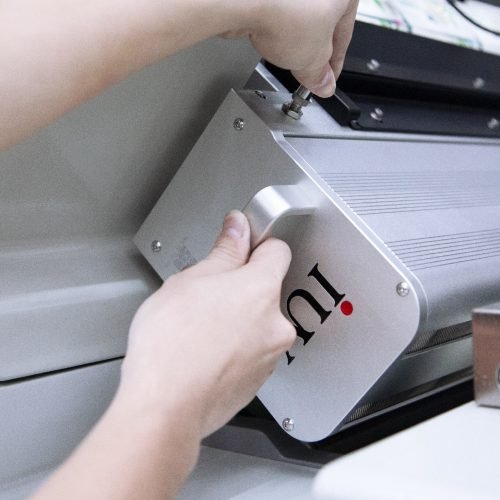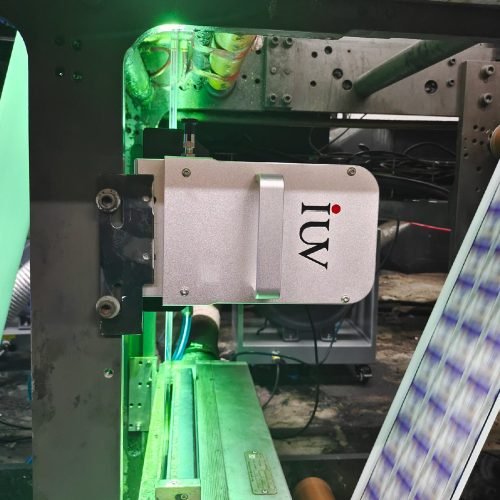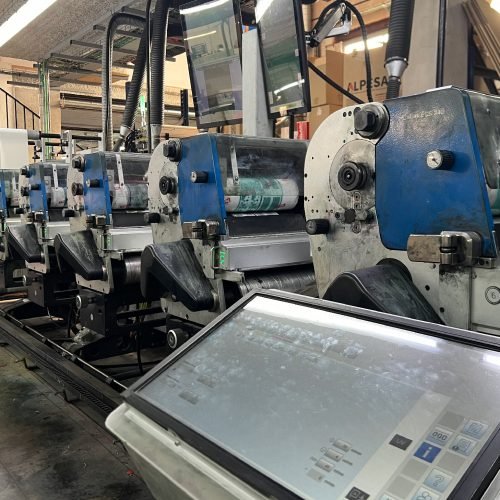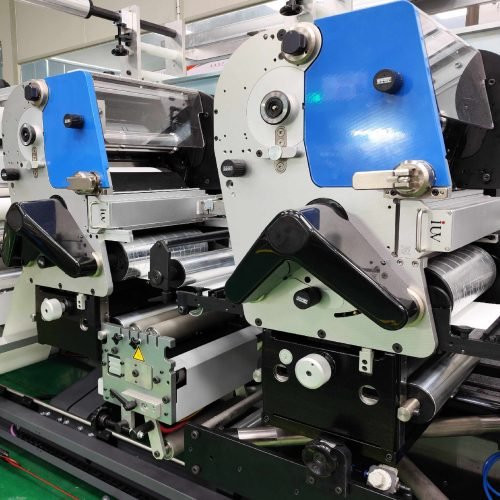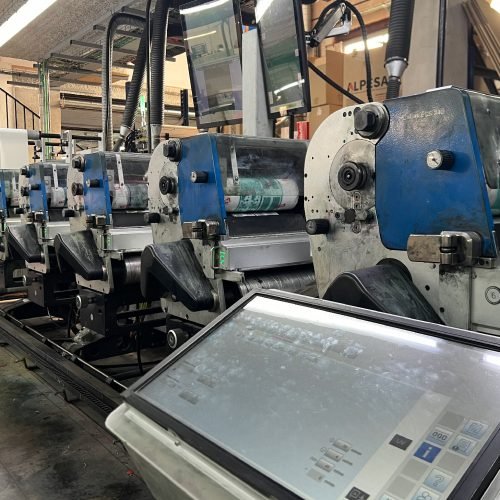

The shift toward UV LED curing in printing isn’t just another tech trend—it’s a financial pivot. Retrofitting existing presses with these systems slashes operational costs while boosting output quality, particularly in label, flexo, offset, and narrow-web applications. Let’s break down how this upgrade impacts the bottom line without the jargon.
Energy consumption drops first. Traditional mercury-arc UV systems guzzle power, requiring constant energy to maintain lamp temperature. UV LEDs cut this by 60-70% instantly. They don’t need warm-up cycles, so presses start curing the moment you hit print. For shops running multiple shifts, that’s thousands saved annually on electricity alone.
Downtime shrinks next. Mercury bulbs degrade fast, demanding replacements every 1,000 hours. LED modules last 20,000 hours—imagine swapping bulbs yearly instead of monthly. Fewer interruptions mean presses stay productive. Maintenance costs? Halved. No more disposal fees for toxic mercury lamps, either. Compliance with environmental regulations gets simpler, avoiding fines and paperwork.
Quality gains are stealthy profit drivers. UV LEDs emit precise wavelengths, curing inks and coatings without overheating substrates. Delicate label stocks? Thin films? No warping or yellowing. Colors pop with sharper resolution since curing happens instantly, minimizing dot gain. For flexo printers, this means finer halftones and smoother gradients. Offset shops see less dot spread, while narrow-web operators achieve tighter registration on complex jobs.
Material waste plummets. Faster curing allows immediate handling, reducing smudges or defects. Less rejected stock = lower raw material costs. Hybrid UV/water-based ink systems become viable too, cutting ink usage by 15-20% without sacrificing adhesion.
Space matters. LED units are compact, freeing up floor space for additional presses or workflow improvements. No bulky cooling systems—these modules run cool, slashing HVAC loads. Summer production floors become bearable, cutting climate control costs further.
Substrate flexibility unlocks new revenue. UV LEDs cure at lower temps, enabling printing on heat-sensitive materials like thin PET films or pressure-sensitive labels. Diversify into premium markets without new equipment investments.
The retrofit process itself is lean. Most presses integrate LED systems in days, not weeks. Modular designs allow staggered upgrades—prioritize high-use presses first. Financing options often tie payments to energy savings, making upfront costs manageable.
Environmental perks double as marketing tools. Eliminating mercury and slashing carbon footprints align with eco-conscious branding. Clients increasingly demand sustainable partnerships, and this upgrade checks the box without greenwashing.
Operational agility improves. Instant on/off curing allows shorter runs profitably. Job changeovers accelerate when lamps don’t need cooling periods. Meet tight deadlines without overtime premiums.
Long-term ROI? Conservative estimates show 12-18 month payback periods through energy savings alone. Factor in productivity gains and reduced waste, and the math gets compelling.
For printers hesitating due to upfront costs, phased retrofits offer a middle path. Start with a single press, measure the savings, then scale. Vendors often provide usage analytics to track ROI in real time—no guesswork involved.
The real kicker? Future-proofing. As mercury lamp production declines, early adopters avoid supply chain hiccups. UV LED tech keeps evolving too—upgradable modules mean next-gen efficiencies without full system replacements.
In markets where margins get tighter every quarter, this isn’t just an equipment update. It’s a strategic recalibration. The pressroom stays competitive, clients get cleaner/faster turnarounds, and the finance team stops sweating the utility bills.
Those still running legacy UV systems might find their quotes becoming uncompetitive. Energy incentives and tax breaks for green tech sweeten the deal further. The question shifts from “Can we afford to upgrade?” to “Can we afford not to?”
Smart retrofits consider workflow integration. Pair UV LEDs with automated ink systems or cloud-based monitoring for compounded savings. It’s not about replacing one component—it’s about reengineering the profit pipeline.
Bottom line: This tech does more than cure inks. It cures budget headaches.