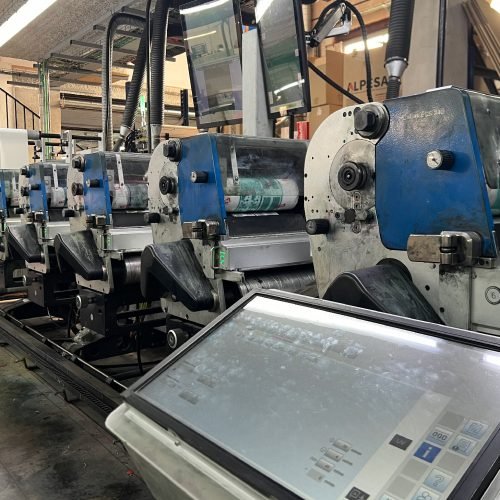
The journey of UV curing in flexo printing mirrors the industry’s relentless push for speed, precision, and sustainability. Early flexographic presses relied on solvent-based inks that demanded extensive drying times and ventilation systems. The 1980s introduced mercury-vapor UV lamps, a breakthrough that slashed drying from minutes to seconds. Printers quickly realized UV-cured inks didn’t just dry faster—they adhered better to substrates, resisted scratching, and produced sharper dots.
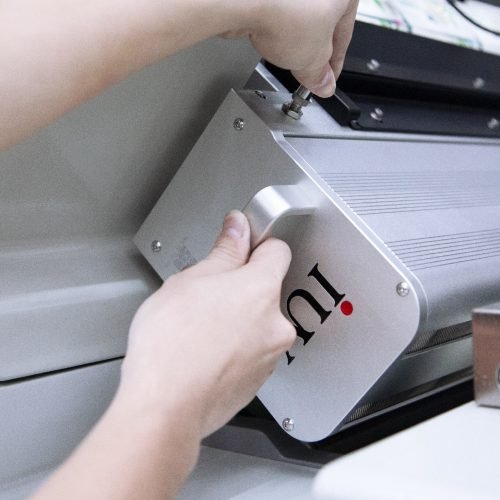
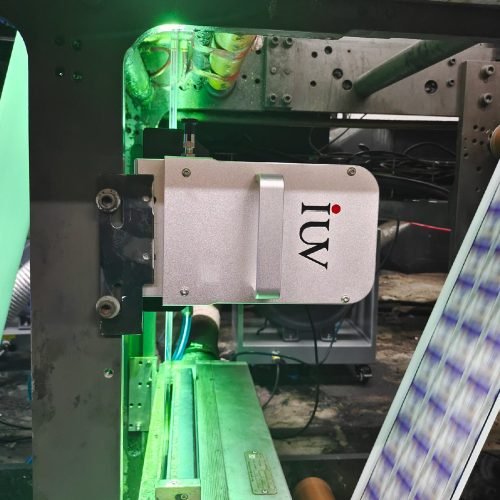
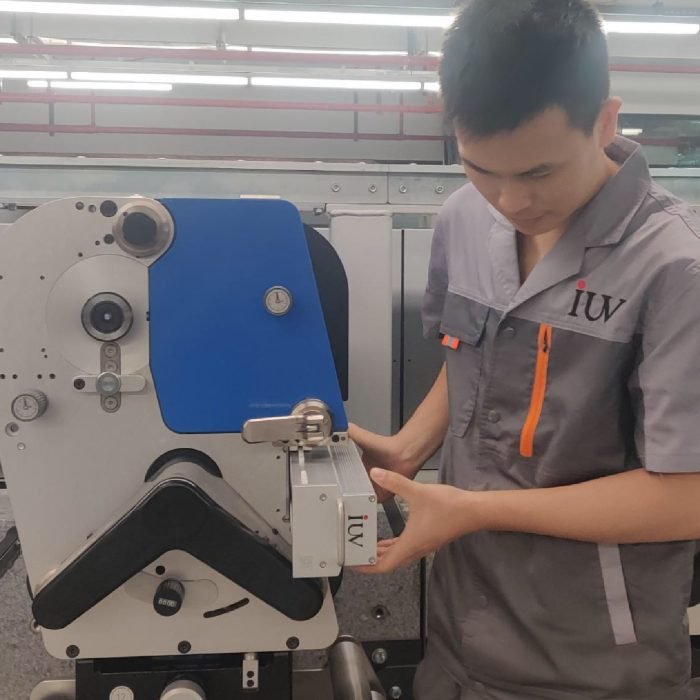
Traditional UV systems had drawbacks. Mercury lamps wasted energy through heat emission, required warm-up periods, and contained hazardous materials. Press operators often battled ozone generation and ink temperature fluctuations. The 2000s brought LED-UV arrays that targeted these pain points. By emitting narrow-spectrum UV-A light (365-405 nm), LEDs eliminated heat-related substrate distortion—a game-changer for thin label stocks and heat-sensitive materials.
Label converters were early adopters. A typical wine label job illustrates why: LED-UV inks cure instantly on pressure-sensitive films, enabling inline die-cutting without smudging. Compared to water-based alternatives, UV-cured labels withstand condensation in refrigerated displays. Narrow-web presses now achieve 200 meters/minute with LED systems, doubling throughput of older UV setups while using 70% less energy.
The substrate versatility shocks newcomers. UV flexo inks now bond to everything from metallicized PET to textured kraft paper. A craft brewery might print on embossed cans using the same press that labels shrink-sleeved bottles. This adaptability stems from photoinitiator chemistry advancements. Modern formulations activate under specific wavelengths, allowing precise control over cure depth and surface hardness.
Offset printers took notice. While UV offset dominates packaging, flexo’s ability to handle uneven substrates gives it an edge in hybrid applications. Imagine a cosmetic box: flexo lays down thick white underbase on corrugated board, while offset adds fine metallic details. UV curing ensures neither process waits for the other.
Environmental regulations accelerated LED adoption. Unlike mercury lamps containing 50 mg of toxic mercury, LEDs meet RoHS and REACH standards effortlessly. California’s South Coast Air Quality Management District rules essentially mandate LED-UV for high-volume printers. Waste reduction compounds the benefits—100% solids UV inks mean no VOC emissions or solvent recovery systems.
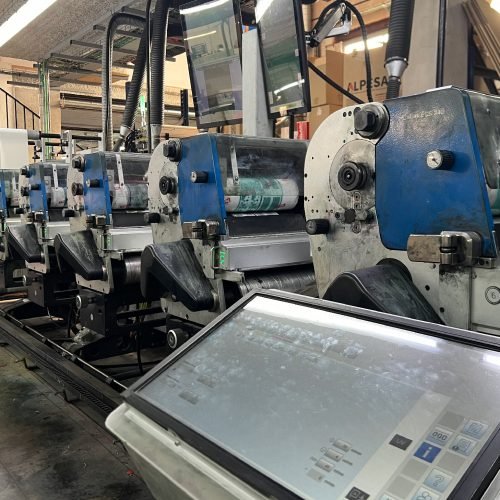
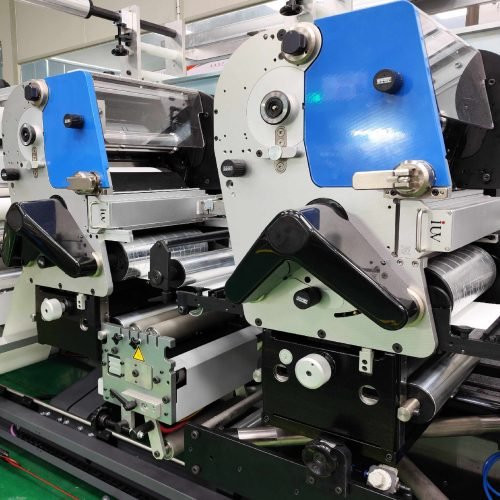
Press configurations evolved in tandem. Modern flexo stations integrate LED arrays within chambered doctor blades. This proximity allows curing before ink spreads, halting dot gain in its tracks. One printer reported a 40% reduction in ink usage while maintaining opacity—a feat impossible with post-print curing.
The technology reshuffled supply chains. LED-UV’s compatibility with low-migration inks opened pharmaceutical and food packaging markets. A snack bag printed with UV flexo inks won’t taint contents, even after months in storage. Meanwhile, quick job changeovers (under 15 minutes for some label presses) make short runs profitable.
Operational cost math convinced holdouts. A 10-color flexo press with LED-UV consumes less power than its conventional UV counterpart’s chillers and exhaust fans combined. Maintenance shifts from daily lamp inspections to annual LED module checks. Downtime from bulb replacements? Erased.
Future developments loom. Tunable-wavelength LEDs could enable single-lamp curing of diverse inks. Conductive polymer plates may merge with UV inks to print functional electronics. As augmented reality packaging grows, UV-cured lenticular lenses could be printed inline.
The transformation echoes beyond print shops. Brand managers specify metallic and tactile UV effects once reserved for offset. Designers exploit the technology’s opacity to layer light colors on dark substrates. Even waste management adapts—UV-cured materials recycle more cleanly than solvent-based alternatives.
What began as a faster drying method now drives entire business models. Microbreweries order 500-label runs with holographic effects. Medical device makers print sterilization-resistant markings. Each application feeds back into the technology’s evolution, ensuring UV flexo remains as dynamic as the markets it serves.