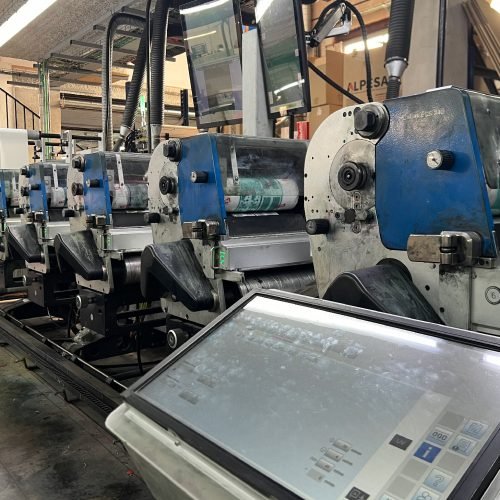
The printing landscape shifts daily, but one innovation keeps delivering for label converters – UV-cured flexography. Forget everything you thought about traditional flexo limitations. Modern LED-UV systems transform this workhorse process into a precision instrument for short runs and complex custom jobs. Let’s break down why shops from craft breweries to pharmaceutical giants are retooling their narrow web presses with this technology.
Flexo’s strength lies in its versatility – it handles everything from metallic films to textured papers without breaking stride. But conventional water-based inks? They’re the Achilles’ heel when you need razor-sharp detail on premium labels. Enter UV curing. The instant polymerization locks ink droplets in place before they can spread, achieving screen-print quality without the setup headaches. For boutique wineries needing 500 gold-foil labels with embossed text? This combo’s a game-changer.
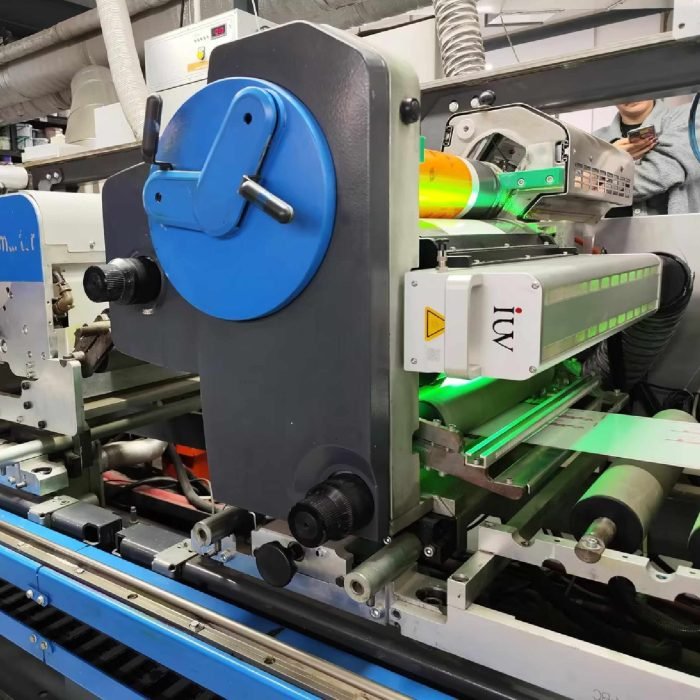
LED-UV takes it further. Unlike mercury-vapor lamps that bake substrates at 200°F, these cold-cure units maintain material integrity. Polypropylene labels stay dimensionally stable. Heat-sensitive holographic films don’t warp. Energy consumption plummets 70% compared to conventional UV – crucial for sustainability-minded brands. Maintenance intervals stretch from weekly lamp changes to annual diode replacements. The math adds up fast when running 20 custom jobs daily.
Short runs demand different economics. Traditional flexo struggles with plate costs and make-ready time eating into margins on 5,000-label orders. Digital presses counter with quick setups but hit walls with specialty inks and substrates. UV flexo bridges the gap. Photopolymer plates now achieve 200-line screens, rivaling offset quality. Combine that with instant curing that eliminates drying racks, and you’re flipping jobs in hours, not days. One Midwest converter landed a Fortune 500 cosmetics contract by delivering 12 stock-keeping units (SKUs) – each under 2,000 labels – with 48-hour turnaround. Their secret? A 10-color UV flexo line with automated plate mounting.
Customization pushes the envelope further. Variable data printing (VDP) isn’t just for digital anymore. Hybrid UV flexo systems now integrate inkjet modules for sequential numbering or QR codes cured inline. A craft distillery used this approach for limited-edition whiskey labels – each bottle’s label showed its barrel aging timeline. The flexo station laid down metallic gold borders while UV inkjet added batch-specific data. All cured in a single pass at 150 fpm.
Substrate flexibility becomes a profit driver. LED-UV’s low heat output lets converters run materials that would melt under traditional curing. Think thick PVC tags for industrial equipment or biodegradable films that can’t handle prolonged heat exposure. One printer carved a niche in edible-label printing for organic produce – rice paper substrates with vegetable-based UV inks cured cold to maintain food safety.
Ink chemistry deserves attention. UV flexo formulations now include low-migration options for food packaging and medical labels. These inks pass stringent FDA and EU regulations while maintaining vibrant color gamuts. Specialty inks like thermochromic or scented varieties open premium pricing opportunities. A European printer landed a luxury perfume account by developing UV-cured inks that release fragrance when rubbed – something impossible with heat-cured systems.
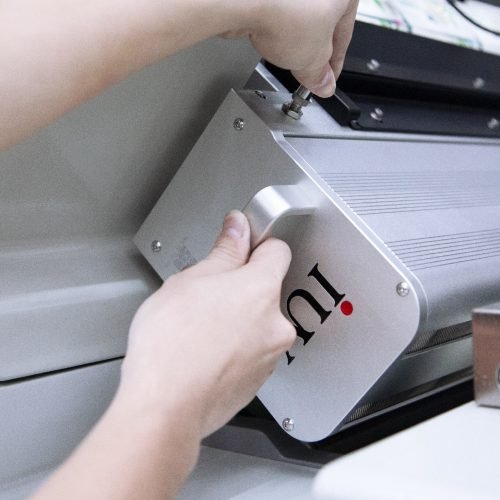
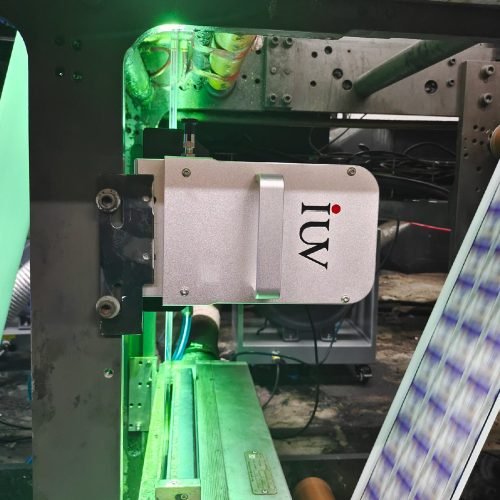
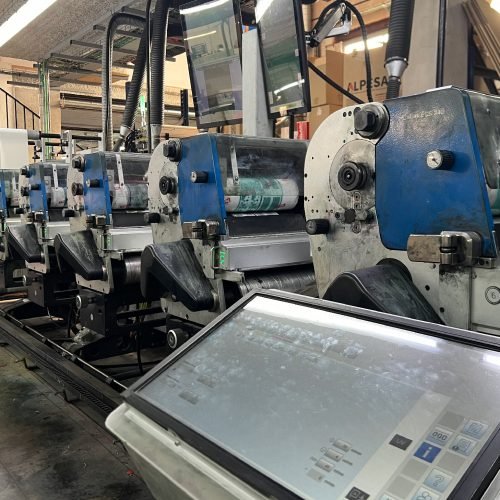
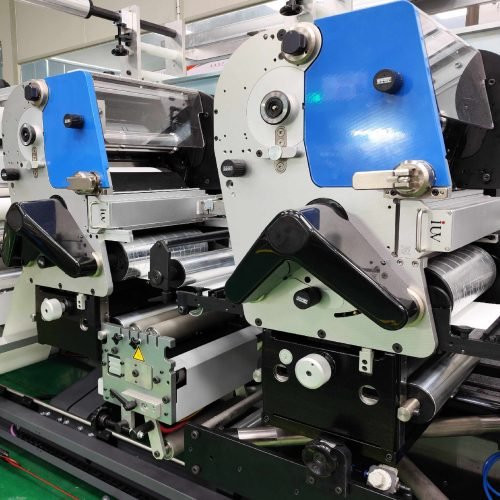
Press configurations are evolving. Modular UV flexo units now slot into existing converting lines. A label converter in Toronto retrofitted their legacy 8-color press with LED-UV between stations. This allowed adding cold foil stamping and embossing without adding drying ovens. Their setup time for complex labels dropped from 90 minutes to 25.
Waste reduction plays into the sustainability story. Instant curing means no solvent evaporation or ink skinning in anilox rollers. One study showed UV flexo reduces ink waste by 40% compared to solvent-based systems. Combine that with LED energy savings and recyclable plates, and brands get ammunition for their ESG reports. A West Coast printer won a major athletic wear contract by demonstrating 68% lower carbon footprint per label versus their digital-printing competitor.
Operator skills are shifting. Press technicians now need hybrid expertise – traditional flexo mechanics combined with UV chemistry knowledge. Training programs focus on optimizing cure distances (that 1mm gap between lamp and substrate matters) and spectral output matching to ink photoinitiators. The best shops run weekly UV intensity tests using radiometers to maintain cure consistency.
Cost analysis reveals hidden advantages. While LED-UV lamps carry higher upfront costs, their 20,000-hour lifespan versus 1,000 hours for mercury lamps changes TCO calculations. Add in reduced downtime from instant on/off capability (no warm-up cycles) and the ROI timeline shrinks. A New York label plant reported 11-month payback on their UV retrofit through increased short-run margins and energy savings.
The future points to smarter integration. IoT-enabled UV systems now auto-adjust intensity based on line speed and ink coverage. Machine learning algorithms predict lamp degradation, scheduling maintenance before quality suffers. One German press manufacturer debuted a self-calibrating UV system that uses spectral sensors to maintain cure consistency across different colored inks.
Brands care about results, not technology. What matters is that UV flexo delivers labels that pop on shelves while keeping per-unit costs viable for small batches. Whether it’s a 500-label run of limited-edition hot sauce or 10,000 personalized cosmetic samplers, the combination of flexo’s versatility with UV’s precision creates opportunities that didn’t exist five years ago.
The takeaway? UV-cured flexography isn’t just another printing method – it’s a strategic tool for converters battling shrinking order sizes and rising customization demands. From instant curing that enables complex decorative effects to energy profiles that satisfy corporate sustainability mandates, this technology redefines what’s possible in label production. Early adopters are already leveraging these advantages to command premium pricing and lock in clients who value both quality and agility.