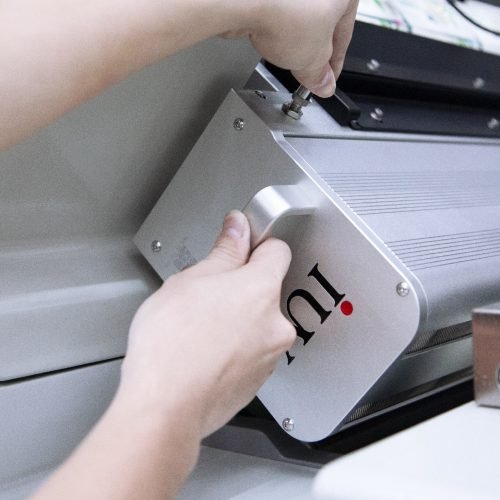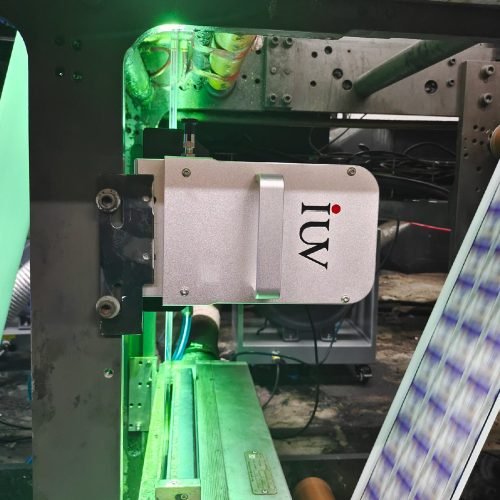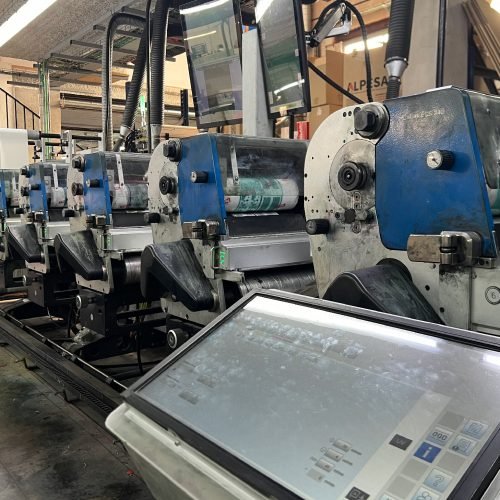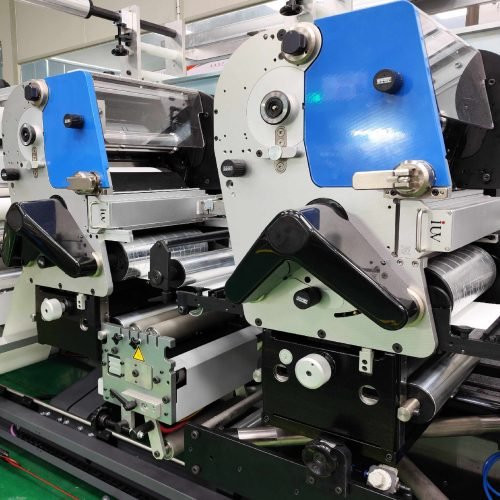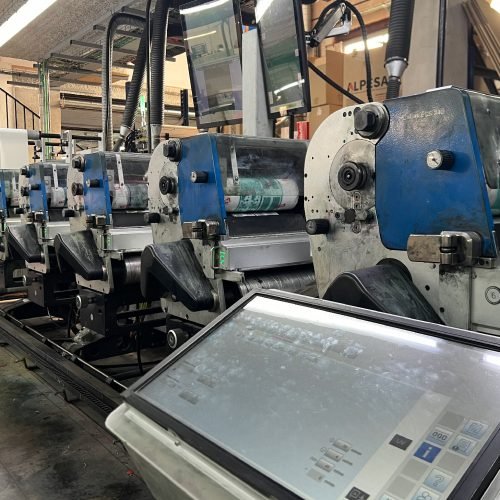
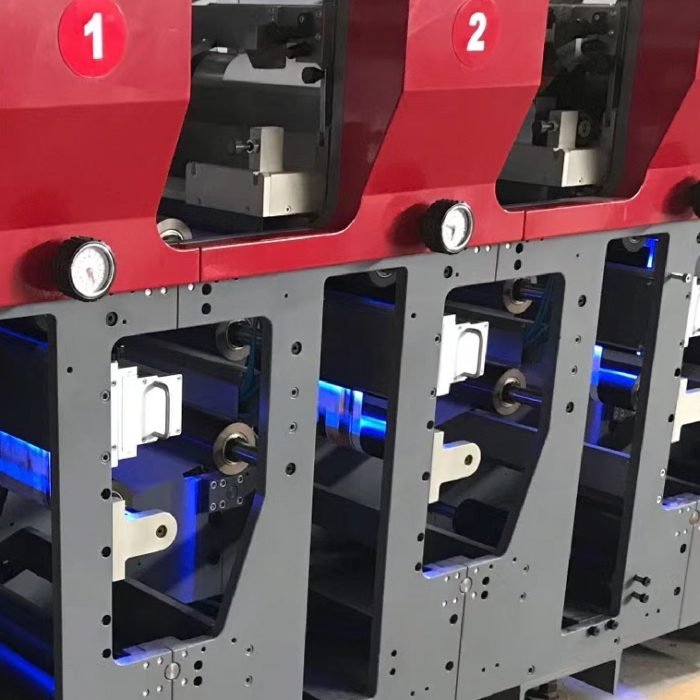
The shift toward sustainable practices in printing isn’t just a trend—it’s a necessity. As industries grapple with tighter environmental regulations and consumer demand for greener products, LED curing systems have emerged as a game-changer. Unlike traditional mercury-vapor UV lamps, LED technology delivers precision, efficiency, and scalability without compromising print quality. Let’s unpack why this innovation is reshaping label, flexographic, offset, and narrow-web printing.
Energy Efficiency Meets Performance
Traditional UV curing relies on mercury-based lamps that consume massive energy and generate excess heat. LED systems cut power use by up to 70%, slashing operational costs. They emit light at specific wavelengths, ensuring optimal curing for inks and coatings without wasteful broad-spectrum output. For label printers running high-speed jobs, this means consistent adhesion on materials like polypropylene or metallic films. No more heat distortion on thin substrates—LEDs maintain dimensional stability, critical for intricate designs in narrow-web applications.
Instant On/Off Capability
Mercury lamps need warm-up time and can’t be switched off mid-run without shortening their lifespan. LED units activate instantly, eliminating idle energy drain. In flexo printing, where job changeovers are frequent, this reduces downtime. Printers can toggle curing intensity on-the-fly for spot varnishes or gradients, a flexibility that mercury systems can’t match.
Reduced Environmental Footprint
Mercury lamps contain toxic materials requiring hazardous waste disposal. LEDs contain no mercury and last up to 20,000 hours—10x longer than traditional bulbs. Fewer replacements mean less landfill waste. For sheetfed offset shops, this translates to safer workplaces and compliance with regulations like REACH. Plus, LED-curable inks often omit volatile organic compounds (VOCs), improving air quality in facilities.
Material Versatility Without Compromise
Early adopters faced limitations with LED-curable inks, but formulations have evolved. Modern LED inks adhere to challenging substrates like untreated PET or shrink sleeves, expanding possibilities for packaging printers. In hybrid setups combining flexo and digital processes, LEDs cure water-based and UV inks uniformly, even on heat-sensitive materials.
Cost Predictability in Volatile Markets
Energy price fluctuations hit hard in energy-intensive sectors. LED systems buffer this risk. A label converter running 24/5 could save $15,000 annually on energy alone. Factor in reduced HVAC costs (less heat output = lower cooling needs) and maintenance savings, and ROI often clocks under two years. For small shops, modular LED units allow incremental upgrades without overhauling entire lines.
Adapting to Regulatory Shifts
The EU’s impending ban on mercury-based lighting (2025) forces printers to seek alternatives. LEDs future-proof operations against such mandates. Brands like Coca-Cola and Unilever now prioritize suppliers using low-carbon technologies—adopting LED curing can be a unique selling point for printers chasing corporate contracts.
Dispelling Myths About Speed
Critics once argued LEDs couldn’t match mercury lamps’ curing speed. Advances in diode technology now enable peak irradiance levels exceeding 30 W/cm², sufficient for inline processes running 200 meters/minute. UV inkjet printers leveraging LED curing achieve pin-sharp detail on par with analog methods, debunking quality concerns.
The Role in Circular Economy
Sustainable printing isn’t just about energy—it’s about lifecycle impact. LED-cured prints often use mono-material structures (e.g., all-PE laminates) that are easier to recycle. Inks cured via LED exhibit superior abrasion resistance, reducing defects and reprints. For circular packaging initiatives, this reliability is non-negotiable.
Integration with Industry 4.0
Smart LED systems sync with IoT-enabled presses, adjusting cure settings automatically based on substrate thickness or ink density. Predictive maintenance alerts prevent unplanned stops. For converters adopting JIT production, this connectivity minimizes waste and streamlines workflows.
From boutique label houses to industrial carton producers, the case for LED curing strengthens yearly. As ink developers introduce bio-based resins compatible with LED wavelengths, and governments incentivize clean tech adoption, lagging competitors risk obsolescence. The question isn’t whether to transition—it’s how swiftly it can be done without disrupting output. Printers who navigate this shift now will dominate markets where sustainability isn’t a buzzword but a baseline expectation.