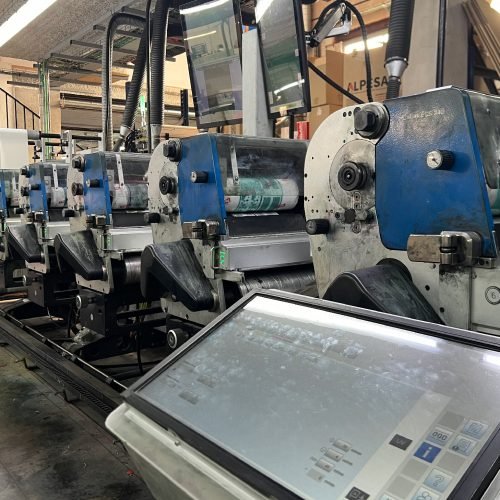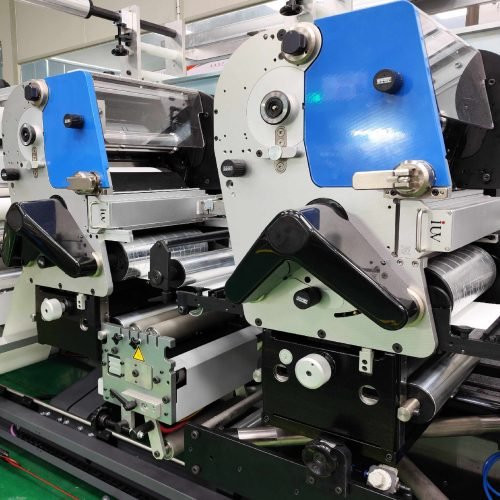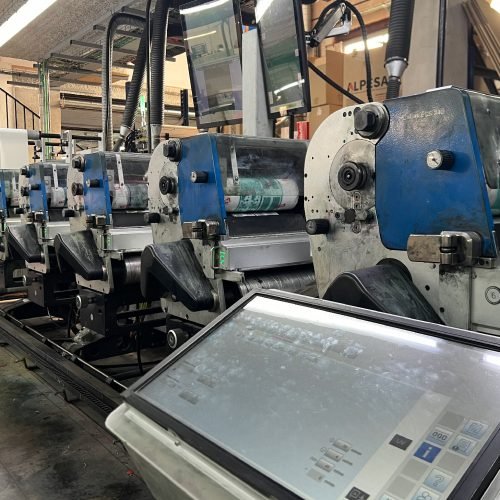
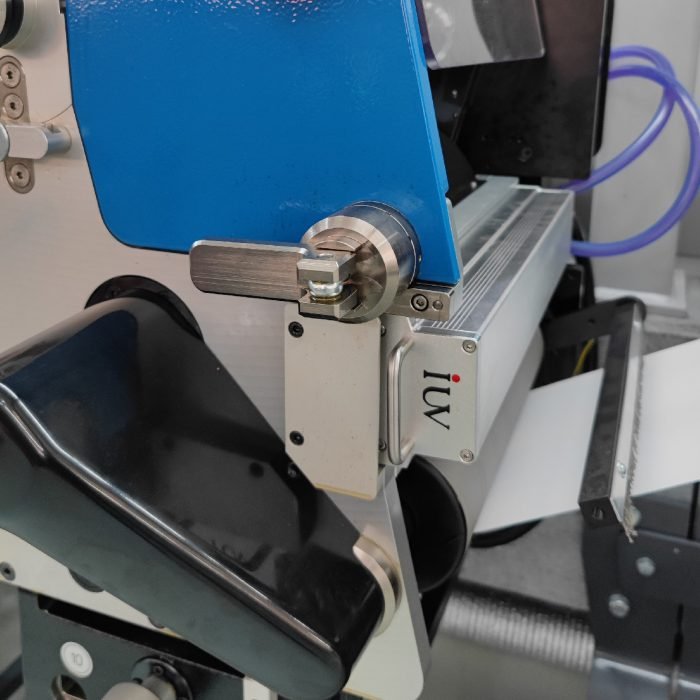
Narrow web printers operate in a space where precision meets speed. Labels, flexible packaging, and specialty prints demand equipment that keeps up with tight deadlines without compromising quality. Traditional mercury vapor lamps once dominated curing processes, but UV LED systems now lead the charge. The shift isn’t random—it’s a calculated response to tangible pain points in flexographic, offset, and label printing environments.
Heat management has always been a thorn in the side of narrow web operators. Thin materials like polypropylene films or pressure-sensitive labels warp under excessive heat from conventional UV systems. UV LEDs emit negligible infrared radiation, eliminating substrate distortion. Printers running delicate wine labels or temperature-sensitive pharmaceutical packaging no longer battle material curling or ink adhesion issues. Cold curing also means instant on/off capability—no warm-up delays between jobs or energy waste during idle times.
Speed defines profitability in narrow web printing. Mercury lamps require minutes to reach optimal intensity, creating bottlenecks in short-run jobs. UV LEDs activate at full power instantly, slashing downtime between color changes or substrate swaps. For printers handling custom craft beer labels or seasonal packaging, this translates to faster turnaround without sacrificing cure quality. LED systems maintain consistent output over time, unlike traditional lamps that degrade and require frequent intensity adjustments.
Energy efficiency isn’t just an environmental buzzword here—it’s a line-item savings. UV LED curing consumes up to 70% less power than mercury-based systems. Facility managers notice the difference in utility bills, especially in operations running multiple presses 24/7. There’s also no ozone generation, eliminating the need for costly ventilation upgrades. Print shops in urban areas or shared industrial spaces appreciate the reduced HVAC demands and cleaner air compliance.
Ink chemistry has evolved in tandem with UV LED advancements. Formulators now create low-migration inks cured perfectly under LED wavelengths, critical for food packaging and medical applications. The narrow spectrum of LED output (typically 365-395 nm) allows precise matching with photoinitiators, reducing uncured residue risks. Printers serving the organic snack market or cosmetic labels benefit from odor-free finishes that meet strict regulatory standards.
Maintenance headaches shrink with LED systems. Mercury lamps demand regular replacement—every 1,000 hours on average—with hazardous disposal protocols. LED units boast lifespans exceeding 20,000 hours, often outlasting the presses they’re installed on. The absence of moving parts in LED arrays minimizes mechanical failures. For technical directors managing multiple shifts, this reliability reduces unexpected downtime and service costs.
Substrate versatility expands under LED curing. Heat-sensitive materials like shrink sleeves or thin PET films handle better without thermal stress. Digital hybrid presses combining inkjet with flexo stations particularly benefit—LEDs cure inks and coatings on diverse materials without adjusting entire press configurations. Printers taking on promotional items or industrial labels gain flexibility to mix substrates within single jobs.
The regulatory landscape accelerated LED adoption. Global phase-outs of mercury-based lighting under the Minamata Convention pushed equipment manufacturers toward sustainable alternatives. Early adopters in Europe’s label printing sector reported 40-50% reductions in energy costs within the first year of switching. Compliance-focused brands now specify LED-cured packaging, giving printers using this tech a competitive edge in tender processes.
Workplace safety improvements matter beyond compliance metrics. Traditional UV systems operate at high temperatures, posing burn risks during web threading or maintenance. LED curing units remain cool to the touch, reducing accident rates. Employees appreciate the elimination of UV exposure risks from cracked mercury lamp housings—a persistent concern in fast-paced print environments.
Color consistency remains paramount in premium labels and packaging. LED systems provide stable UV output without the intensity fluctuations of aging mercury bulbs. Printers maintaining brand color standards for global cosmetics lines or beverage giants detect fewer batch-to-batch variations. The directional nature of LED light ensures even curing across intricate die-cut shapes or textured substrates.
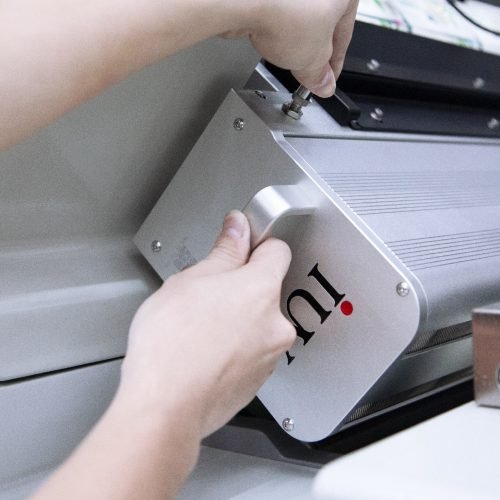
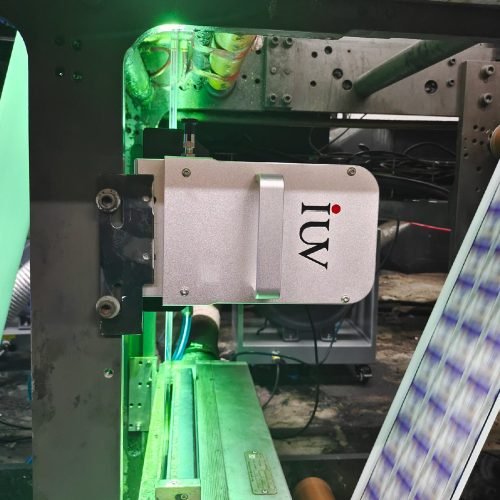
Retrofitting existing presses proves simpler than many anticipate. Most UV LED curing systems integrate with common narrow web platforms using modular designs. Service technicians typically complete installations during scheduled maintenance windows. Printers using older gear report extended press lifespans post-retrofit, as reduced heat exposure preserves rollers and bearings.
The conversation around sustainability now influences client decisions. Brands like LED-cured packaging’s eco-profile—no mercury waste, lower carbon footprint from energy savings, and compatibility with recyclable substrates. Printers promoting these advantages in sales pitches often secure contracts with environmentally conscious companies.
Durability testing reveals LED-cured inks withstand harsh conditions better than traditionally cured alternatives. Abrasion resistance matters for industrial labels on machinery or outdoor equipment. Chemical resistance proves crucial for cleaning product containers or automotive parts. These performance metrics help printers justify premium pricing for LED-processed jobs.
As digital printing converges with conventional narrow web methods, UV LED’s compatibility with both worlds becomes invaluable. Hybrid systems running variable data jobs alongside traditional flexo work rely on LEDs’ instant curing to maintain throughput. The technology adapts to inkjet’s fast-drying requirements without retrofitting entire production lines.
The initial cost barrier for LED systems continues to drop. Improved manufacturing scales and competitive pricing from Asian suppliers make the tech accessible to mid-sized printers. Leasing options and energy rebate programs in some regions further ease cash flow concerns. ROI calculations now show break-even points within 12-18 months for busy operations.
Operators note workflow improvements beyond pure curing metrics. The absence of ozone and heat allows closer press configurations in compact facilities. Quality control teams spend less time checking for substrate warping or ink curing defects. Sales departments leverage LED capabilities to attract clients needing specialized finishes like tactile effects or high-garnish coatings.
Ink waste reduction provides another financial lever. Precise LED curing minimizes over-exposure that can alter ink coloration or texture. Printers using expensive metallic or fluorescent inks see measurable savings from reduced rejection rates. The controlled energy output also prevents ink overheating, which sometimes caused viscosity changes in mercury-based systems.
The future points toward smarter curing integration. Some LED systems now interface with press controls, automatically adjusting intensity based on substrate speed or ink coverage. Predictive maintenance alerts for LED modules are entering the market, further optimizing uptime. As narrow web printers face pressure to digitize operations, UV LED tech becomes part of broader Industry 4.0 transformations.
Client expectations keep evolving. Brands want shorter runs with more customization, faster deliveries, and sustainable credentials—all areas where UV LED curing delivers. Printers invested in this technology position themselves as partners rather than vendors, capable of navigating complex regulatory and market shifts. The question isn’t why narrow web printers prefer UV LED systems, but how long competitors can afford to lag.