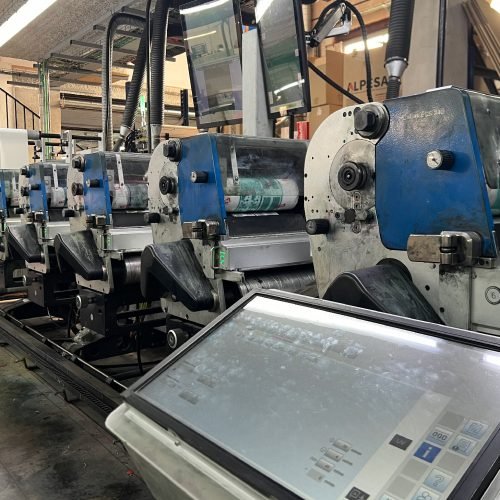
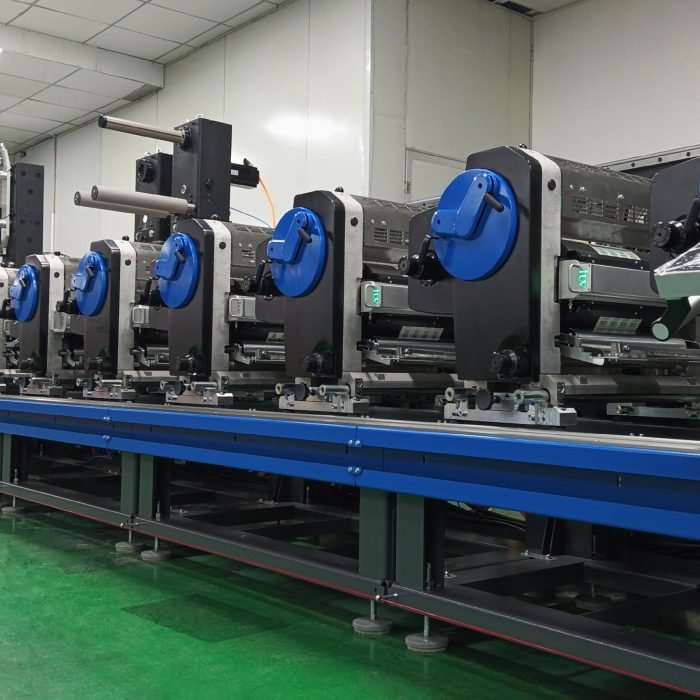
The shift from mercury lamps to LED UV in offset printing isn’t just a trend—it’s a fundamental rethinking of how efficiency, sustainability, and print quality intersect. For printers working with labels, flexo, offset, or narrow-web applications, the move reflects both technological evolution and practical business calculus.
Mercury lamps dominated UV curing for decades, but their limitations became impossible to ignore. Start-up delays plagued production schedules—those lamps needed 15-30 minutes to warm up, wasting energy before even hitting the first sheet. The heat they generated warped thin substrates, complicating work with delicate label stocks or heat-sensitive materials. Printers also faced mercury disposal protocols and workplace safety concerns, with bulb replacements exposing staff to toxic materials.
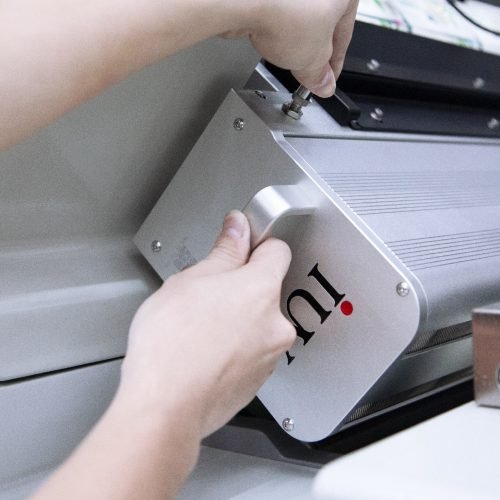
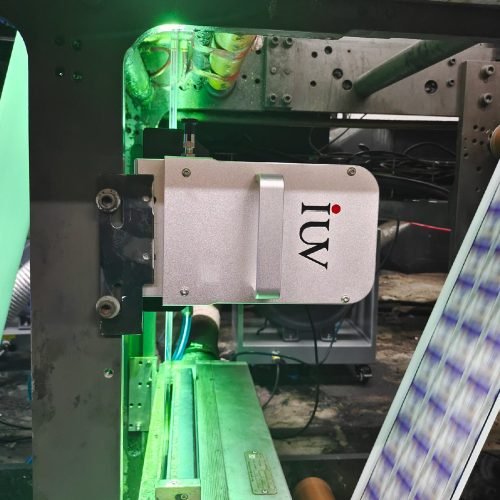
LED UV systems solve these pain points by operating at near-ambient temperatures. Instant on/off functionality eliminates ramp-up downtime, letting presses start curing within seconds. A label printer running short batches can now toggle between jobs without energy-guzzling warm-up cycles. The cooler process prevents substrate distortion, enabling crisp detail on shrink sleeves or unsupported films that would curl under mercury lamp heat.
Energy consumption comparisons reveal stark differences. Mercury setups waste 70-80% of their power as heat, while LED arrays direct 95% of energy into UV output. One commercial offset printer reported cutting their curing-related electricity bills by 60% post-conversion—critical as energy prices fluctuate. For narrow-web operations running 24/5 shifts, the cumulative savings often justify retrofitting older presses.
Material compatibility has expanded with LED advancements. Early adopters faced challenges with opaque whites or metallic inks, but newer photoinitiator formulations now ensure reliable curing across substrates. A flexo printer specializing in premium wine labels found LED-cured metallics achieved higher reflectivity than mercury-cured equivalents, with no adhesion issues on textured papers.
Environmental pressures accelerated the transition. Mercury lamps contain 50-100mg of toxic mercury per bulb—problematic when thousands reach end-of-life annually. The Minamata Convention’s mercury phase-out commitments pushed regulators to scrutinize disposal practices. LED modules contain no hazardous materials, simplifying compliance. Printers marketing to eco-conscious clients leverage this shift, with one packaging company citing LED UV as key to earning USDA BioPreferred certification.
Print quality metrics show LED’s edge, particularly in fine detail reproduction. Without heat-induced dot gain, halftones hold sharper edges. A commercial offset shop noted 2% denser ink coverage on LED-cured sheets, reducing ink use while maintaining color depth. For security printing applications, this precision matters—microtext stays legible, and guilloche patterns resist smudging.
Operational flexibility reshapes workflow possibilities. LED’s instant curing allows inline processes previously hampered by mercury’s latency. One label converter integrated digital embellishment modules immediately after printing stations, eliminating separate curing passes. Press operators appreciate the elimination of ozone generators—LEDs don’t produce ozone, removing the need for ventilation upgrades in cramped pressrooms.
Maintenance costs tell their own story. Mercury lamps degrade steadily, requiring replacement every 1,000-1,500 hours. LED arrays maintain consistent output for 20,000 hours, with modular designs allowing single-emitter swaps instead of full lamp changes. A mid-sized printer calculated $18,000 annual savings in lamp purchases and disposal fees alone.
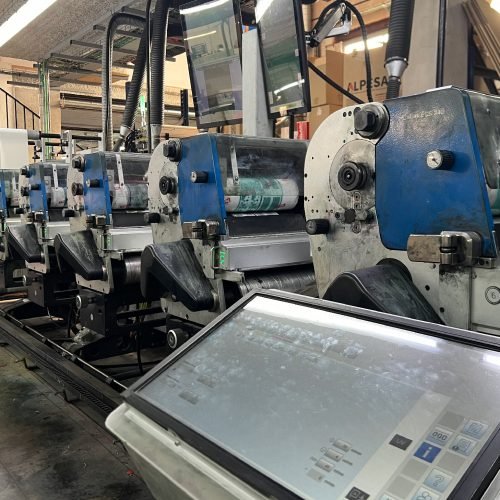
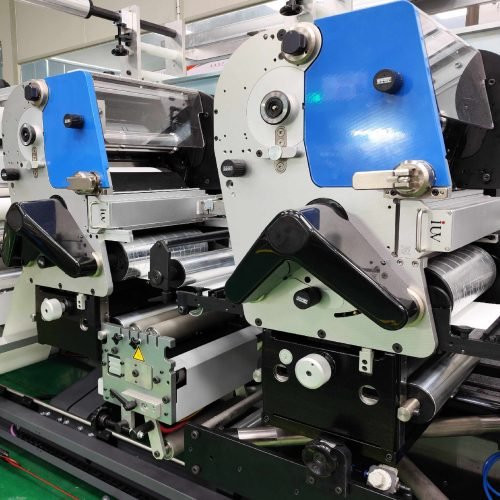
The retrofit versus new press debate continues, but modern LED UV systems adapt to existing infrastructure. Hybrid configurations let printers phase in LED units, mixing technologies during transition periods. One sheetfed offset operator installed LED lamps in their coater unit first, maintaining mercury for varnishes until staff retrained on the new system.
As UV ink chemistry evolves alongside LED tech, previously niche applications gain traction. Cold foil adhesion improves under LED curing, enabling metallic effects on heat-sensitive plastics. Food packaging printers benefit from low-migration inks cured without excessive heat—a chocolate wrapper manufacturer reduced packaging warping by 40% after switching.
The economic argument solidifies as component costs drop. Early LED systems carried premium pricing, but industrial-scale production has narrowed the gap. ROI timelines now average 12-18 months for mid-volume printers, factoring in energy savings, productivity gains, and reduced waste.
For printers weighing the transition, the calculation extends beyond hardware costs. Workforce safety improves with cooler equipment and no mercury exposure. Marketing departments gain sustainability talking points, while production teams appreciate the reliability of solid-state electronics over fragile glass bulbs.
Those still running mercury systems face mounting pressures—from rising disposal fees to client demands for greener processes. The question isn’t whether to switch, but how to strategically phase in LED UV without disrupting live jobs. Forward-thinking shops start with pilot projects: retrofitting a single press or implementing LED curing for specific high-margin applications.
The future of UV curing pulses with LED innovation. Wavelength-specific arrays now target exact photoinitiator responses, enabling faster curing with less energy. As material scientists develop inks tuned for LED spectra, printers unlock new applications—from medical device labeling to heat-sensitive electronic components.
This transition mirrors broader industrial shifts toward precision, efficiency, and environmental stewardship. Printers adopting LED UV aren’t just replacing light sources—they’re future-proofing operations in a market that rewards agility and responsibility. The lamps above the press now symbolize both technological progress and the industry’s capacity for reinvention.