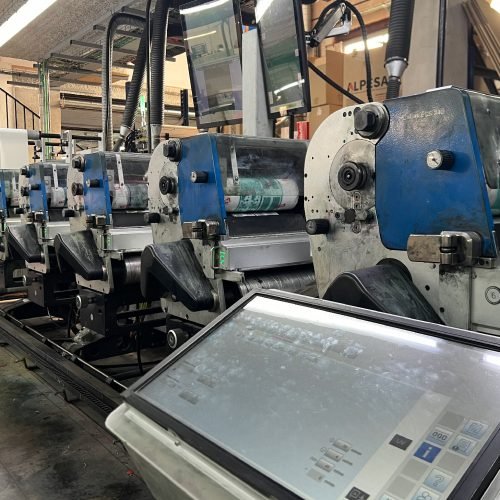
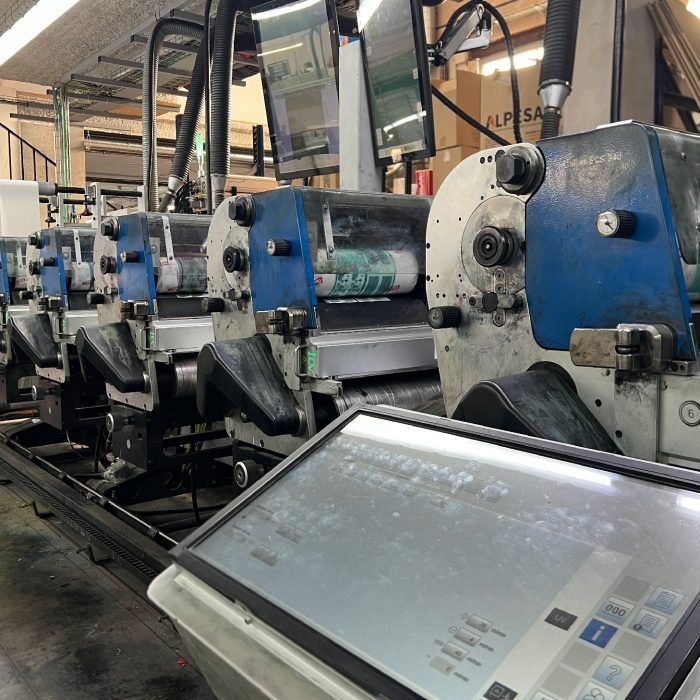
Sure, I can help you with that! Here’s a Google SEO-optimized article about enhancing flexo printing precision and speed with UV curing technology, tailored for the label printing industry.
Elevating Narrow Web Flexo Printing: The Precision and Speed of UV Curing
In the competitive world of narrow web label printing, achieving both exceptional quality and high production speeds is paramount. Flexographic printing, or flexo printing, has long been a workhorse for this sector. However, to truly push the boundaries of precision and efficiency, embracing advanced technologies is no longer an option, but a necessity. Among these, UV curing technology, particularly LED UV curing, stands out as a transformative force.
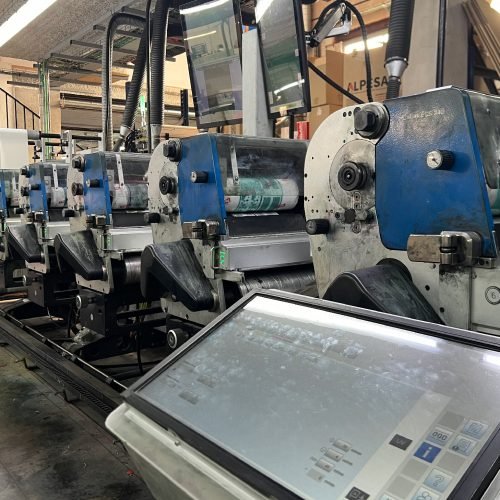
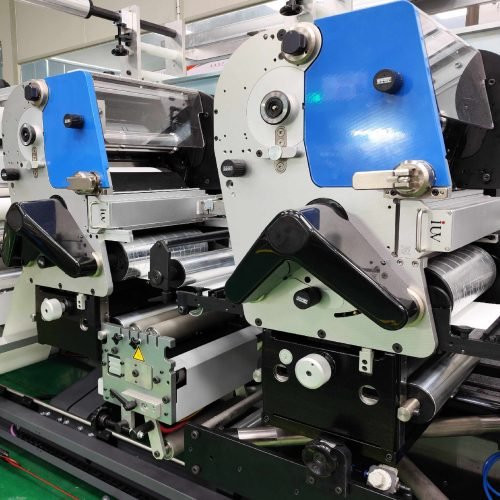
Flexo printing relies on raised flexible printing plates to transfer ink to the substrate. This process is incredibly versatile, handling a wide range of inks and substrates. For label printing, its ability to accommodate intricate designs and vibrant colors is a significant advantage. However, traditional drying methods for flexo inks can sometimes limit throughput. This is where UV curing technology revolutionizes the process.
UV curing involves the use of ultraviolet light to instantly solidify or “cure” inks, coatings, and adhesives. Unlike conventional heat-set or solvent-evaporating drying, UV curing is a photochemical process. The UV energy initiates a rapid polymerization reaction within the ink formulation, transforming it from a liquid to a solid film almost instantaneously. This has profound implications for both the precision and speed of flexo printing.
Precision Redefined: Sharper Dots and Cleaner Prints
One of the most immediate benefits of UV curing in flexo printing is the enhancement of print precision. Traditional drying methods can sometimes lead to ink spread or “dot gain,” where ink particles expand slightly after application, blurring fine details and reducing the sharpness of the printed image. UV curing, with its near-instantaneous solidification, dramatically minimizes this effect.
The liquid ink, upon exposure to UV light, becomes a solid layer with minimal migration. This means that the ink dot laid down by the printing plate remains precisely as it was transferred. The result is sharper text, finer halftones, and more well-defined graphics. For label printing, where brand identity and intricate designs are critical, this level of precision translates directly into a higher quality finished product. Customers demand crisp logos, legible small print, and vibrant, accurate color reproduction – all achievable with optimized UV flexo printing.
Furthermore, the rapid curing prevents ink from settling into the substrate’s surface. This is particularly beneficial when printing on non-porous materials like films and foils, where slower drying inks might struggle to adhere properly or could smudge. UV-curable inks form a robust, durable film directly on the surface, ensuring excellent adhesion and rub resistance. This contributes to the overall durability and longevity of the printed label, a key selling point for many applications.
Unleashing Speed: Uninterrupted Production Flow
The speed at which UV-cured inks solidify is a game-changer for production efficiency. In conventional drying, inks need time to evaporate solvents or heat to cure. This often necessitates slower press speeds to allow for adequate drying between print stations or before the web is wound. If the ink isn’t fully dry, it can transfer to subsequent rollers or the back of the next label, leading to costly waste and downtime.
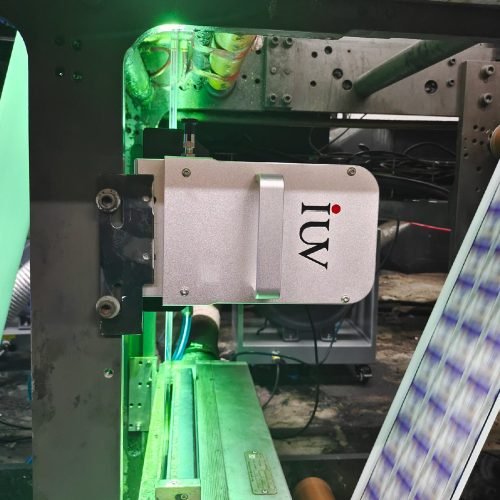
UV curing, on the other hand, happens in a fraction of a second. As the substrate passes under the UV lamps (or LED UV emitters), the ink instantly cures. This allows the press to run at significantly higher speeds without compromising ink adhesion or print quality. For label printers, this translates directly into increased throughput and reduced cost per label.
The ability to run faster means more jobs can be completed in the same amount of time, or the same volume of work can be produced with fewer press hours. This is particularly impactful for long-run jobs where even small increases in speed can lead to substantial time savings. The uninterrupted flow of the web also minimizes the risk of production interruptions, contributing to a more stable and predictable manufacturing process.
The Evolution to LED UV Curing
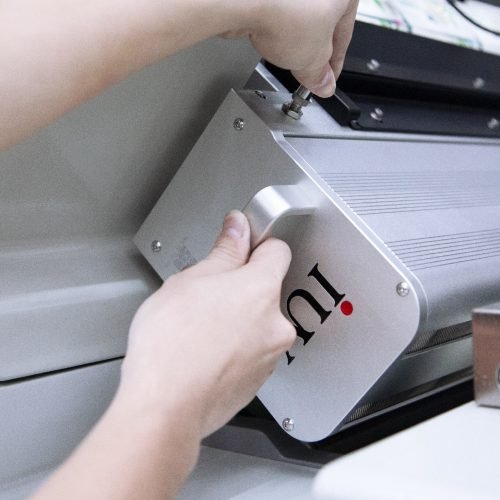
While traditional mercury vapor UV lamps have been the standard, the advent of LED UV curing technology has further elevated the benefits. LED UV emitters offer several distinct advantages that make them an even more compelling choice for modern flexo printing operations.
Firstly, LED UV lamps have a much longer lifespan than mercury lamps, significantly reducing maintenance and replacement costs. They also consume less energy, leading to lower operating expenses and a reduced environmental footprint. This energy efficiency is a major draw for businesses looking to optimize their operational costs.
Secondly, LED UV emitters produce a narrower spectrum of UV light, which can be precisely matched to the specific photoinitiators in UV-curable inks and coatings. This leads to more efficient and consistent curing, even at very high press speeds. Unlike mercury lamps, which generate significant heat, LED UV lamps emit very little heat, which is crucial when printing on heat-sensitive substrates like thin films. This wider substrate compatibility is a significant advantage for label printers.
Thirdly, the instant on/off capability of LEDs means they only consume energy when the press is running, further contributing to energy savings. They also achieve full intensity immediately, eliminating warm-up times associated with mercury lamps. This quick response time also minimizes the risk of overexposure or inconsistent curing.
Ink Formulations and Substrate Compatibility
The success of UV curing in flexo printing is also dependent on the specialized ink formulations. UV-curable inks are designed to react to UV light and contain monomers, oligomers, pigments, and photoinitiators. The photoinitiators absorb the UV light and generate free radicals or cations, which initiate the polymerization process.
A wide range of UV-curable inks are available for flexo printing, including process colors, spot colors, metallic inks, and specialty inks for effects like high-gloss finishes or matte textures. These inks offer excellent color vibrancy and opacity.
The compatibility of UV curing with various substrates is another key strength. While excellent on films, foils, and coated papers, UV inks can also perform well on uncoated stocks with the right ink formulation and press setup. This broad substrate compatibility makes UV flexo printing a versatile solution for a vast array of label applications, from food and beverage to pharmaceuticals and industrial goods.
Overcoming Challenges and Embracing the Future
While the benefits are clear, transitioning to or optimizing UV curing can involve considerations. Proper ventilation is essential to manage ozone produced by some UV lamps, though LED UV systems largely mitigate this. Ink management, including storage and handling, requires adherence to specific guidelines. Training for press operators on the nuances of UV inks and curing parameters is also important to achieve optimal results.
However, these are manageable considerations when weighed against the significant advantages. The pursuit of enhanced precision and speed in narrow web flexo printing inevitably leads to the exploration and adoption of UV curing technology. As the technology continues to evolve, particularly with advancements in LED UV systems and ink formulations, its role in delivering high-quality, high-volume label production will only grow. For any printer aiming to stay competitive and meet the ever-increasing demands of the market, investing in and mastering UV curing is a strategic imperative.