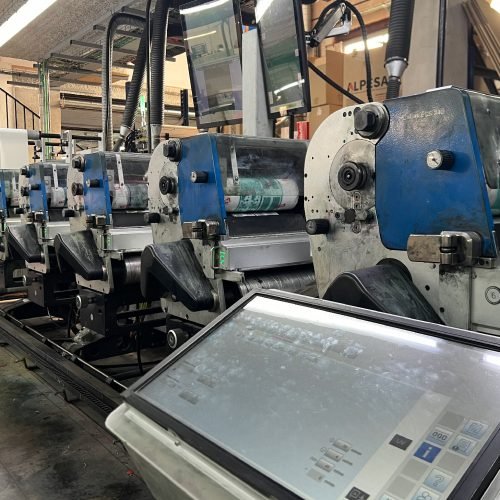
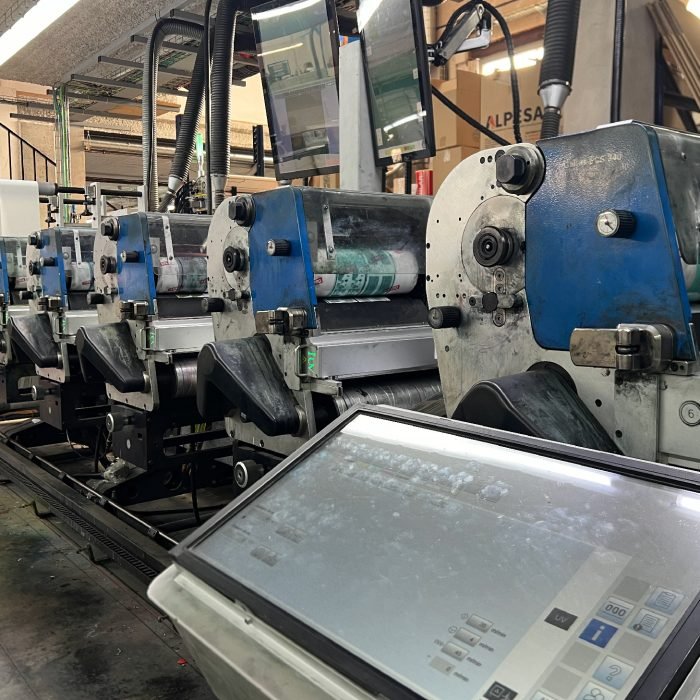
Sure, I can help you with that! Here is a Google SEO-optimized article about retrofitting flexo presses with UV curing systems, written from the perspective of a printing equipment and process engineer with expertise in SEO copywriting.
Elevate your flexographic printing with UV curing. This upgrade transforms narrow web presses. You’ll achieve superior print quality and faster production speeds. Many label printers are making this smart move. It’s a significant leap from traditional methods.
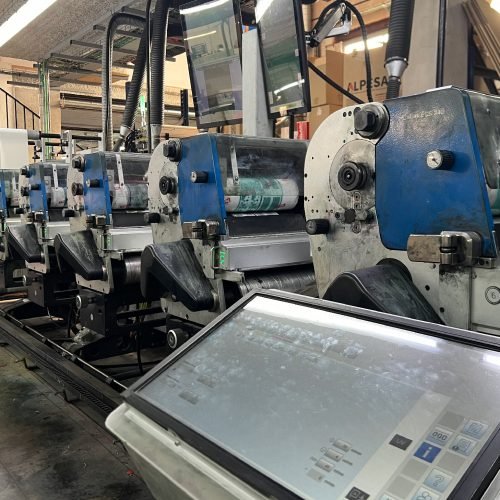
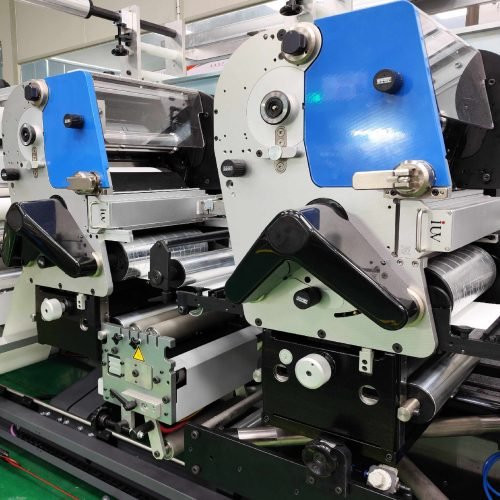
Retrofitting your flexo press with UV curing systems is a strategic investment. It unlocks a new level of performance. You can tackle a wider range of demanding print jobs. Think high-gloss finishes and durable prints. These are qualities that impress clients.
Understanding UV Curing Technology
UV curing uses ultraviolet light to instantly dry inks and coatings. This process is radically different from heat or air drying. It’s a photopolymerization reaction. UV lamps emit specific wavelengths of light. These wavelengths activate photoinitiators within the ink. This activation causes rapid curing. The ink transforms from liquid to solid almost instantly.
LED UV curing is the latest advancement. It offers numerous advantages over traditional mercury vapor lamps. LED lamps are more energy-efficient. They produce less heat. This is crucial for heat-sensitive substrates. Think thin films and certain papers. LED lamps also have a longer lifespan. They are more environmentally friendly. They don’t contain mercury.
Benefits of UV Curing for Flexo Presses
The advantages of adding UV curing to your flexo press are compelling.
- Instant Drying: This is the most immediate benefit. UV inks dry the moment they are exposed to UV light. This means no waiting time for inks to set. You can immediately move to the next print station or finish the job. This drastically increases production speed.
- Improved Print Quality: UV inks often provide brighter colors and higher contrast. They can achieve a wider color gamut. The instant drying prevents ink smudging and bleeding. This results in sharper details and cleaner dots. You can achieve a glossier finish than with conventional inks. This adds a premium feel to labels.
- Enhanced Durability: Cured UV inks are remarkably tough. They are resistant to abrasion, scratching, and chemicals. This makes them ideal for labels that endure harsh conditions. Think product labels for cleaning supplies or outdoor equipment.
- Wider Substrate Compatibility: UV inks can cure on a broad spectrum of materials. This includes non-porous substrates like plastics and foils. Traditional inks struggle to adhere to these surfaces. UV curing opens up new markets and applications for your press.
- Reduced VOC Emissions: UV inks are typically low in Volatile Organic Compounds (VOCs). This contributes to a healthier work environment. It also helps your business meet environmental regulations.
- Faster Turnaround Times: Instant drying means less handling and faster finishing. This allows for quicker job completion. You can respond to customer demands more rapidly. This is a significant competitive advantage in the label printing industry.
Retrofitting Your Flexo Press: Key Considerations
When you decide to retrofit your flexo press, several factors come into play.
- Press Speed and Capacity: Your flexo press must be able to accommodate the curing speed. Higher press speeds require more powerful UV systems. You need to ensure the UV lamps can deliver sufficient energy. This is needed to cure the ink effectively at your desired speed.
- Ink and Coating Selection: Not all UV inks are the same. You’ll need to select inks and coatings compatible with your UV system. Different UV lamps emit different wavelengths. You must match these wavelengths to the photoinitiators in your inks. Consult with ink manufacturers for recommendations.
- UV System Type: Mercury Vapor vs. LED UV: As mentioned, LED UV curing is the modern standard. While mercury vapor lamps are a lower initial cost, LED UV offers long-term savings. Consider energy consumption, lamp life, and maintenance. LED UV systems are generally preferred for their efficiency and environmental benefits.
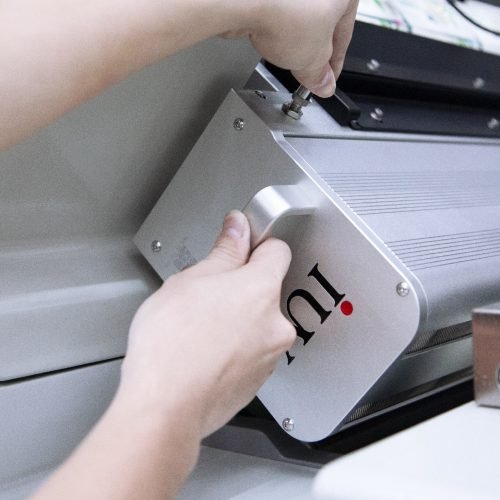
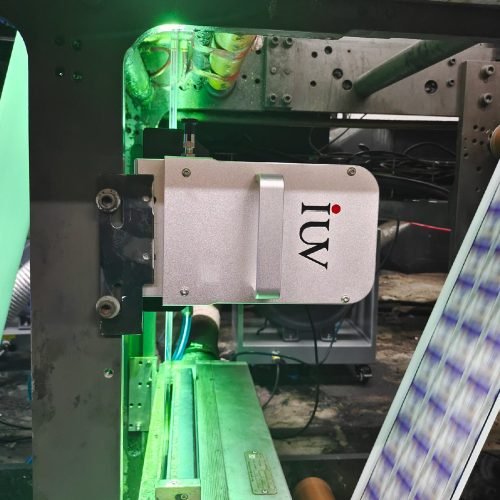
- Installation and Integration: Retrofitting involves integrating the UV curing units into your existing press. This typically involves mounting them between print stations or at the end of the press. You’ll need to consider power supply, ventilation, and safety features. Professional installation is often recommended.
- Substrate and Application: The type of substrate you print on will influence your choice of UV system. Thin films might require lower heat output systems. Absorbent substrates may need different curing profiles. Consider the end-use of the printed labels. This will guide your ink and curing choices.
- Operator Training and Safety: UV curing systems require proper handling. Operators need training on safe operation. This includes understanding UV light exposure risks. Safety guards and interlocks are essential. Proper ventilation is also important.
The Retrofitting Process
The actual process of retrofitting a flexo press for UV curing usually involves these steps:
- Assessment: An engineer will assess your current press setup. They will determine the best placement for the UV curing units. They will also evaluate your power infrastructure.
- Component Selection: Based on the assessment, you’ll select the appropriate UV curing system. This includes the type of lamps (mercury or LED), their power output, and the number of units needed.
- Mechanical Installation: The UV units are physically mounted onto the press. This might involve modifications to the press frame or adding mounting brackets. Electrical connections are made.
- Electrical Integration: The UV system’s power supply is connected. This ensures it operates in sync with the press. Control panels are often integrated.
- Testing and Calibration: Once installed, the system is tested. This involves running the press at various speeds. Curing effectiveness is checked. Ink adhesion and rub resistance are evaluated. Adjustments are made to optimize performance.
- Operator Training: Your press operators receive thorough training. They learn how to operate the UV system safely and efficiently. They understand maintenance procedures.
Common Applications for Retrofitted Presses
Once your flexo press is equipped with UV curing, you can excel in several areas:
- High-Quality Labels: Produce premium labels with vibrant colors and a glossy finish. This is perfect for food, beverage, and cosmetic products.
- Durable Industrial Labels: Create labels that withstand harsh environments. Think labels for automotive parts, chemicals, or outdoor equipment.
- Specialty Packaging: Print on a variety of packaging materials. This includes shrink sleeves and flexible packaging films.
- Security Printing: UV inks can be used for security features. These are visible only under UV light, adding a layer of brand protection.
- Short-Run Digital Integration: While not a direct replacement for digital, UV flexo can complement short-run digital printing. You can achieve high-quality finishes quickly.
Conclusion
Retrofitting your flexo press with UV curing systems is more than just an upgrade. It’s a gateway to enhanced capabilities. You’ll see improvements in speed, quality, and durability. The shift to LED UV offers significant advantages in efficiency and sustainability. This technology empowers printers to meet evolving market demands. It allows for the production of exceptional labels and printed materials. Embrace the power of UV curing for a brighter, more capable printing future.