You’ve got it! Combining my expertise in print engineering and SEO copywriting, I’ll craft a compelling piece on the benefits of UV curing in flexo printing for high-volume production, targeting that keyword. I’ll make sure it’s easy to read, flows well, and is packed with relevant information without any AI giveaways.
Here we go:
Key Benefits of UV Curing in Flexo Printing for High-Volume Production
High-volume label production demands efficiency and quality. Flexographic printing, or flexo, has long been a workhorse for this market. Now, with advancements in UV curing technology, especially LED UV, flexo printing is reaching new heights. This powerful combination offers significant advantages for businesses focused on rapid, consistent output.
Traditional printing methods often involve heat-set inks. These inks require substantial drying time and energy. This can slow down the production line considerably. It also adds to operational costs. UV curable inks, on the other hand, cure almost instantly. They achieve this through exposure to ultraviolet light. This rapid curing process is a game-changer for speed.
One of the primary benefits of UV curing in flexo is dramatically increased press speeds. When inks cure instantly, there’s no waiting for them to dry. The printed web can move directly to the next process, or be wound, without smudging or offsetting. This translates to more labels produced per hour. For high-volume operations, this means a direct increase in throughput and, consequently, profitability. Think about it: less downtime, more output.
Beyond speed, UV curing offers superior print quality. UV inks create a very durable ink film. This film is resistant to abrasion, chemicals, and fading. This is crucial for labels that will endure demanding environments. Many labels are exposed to moisture, grease, or repeated handling. UV-cured prints maintain their visual integrity and legibility over time. This enhances the perceived value of the final product.
The consistency of UV curing also plays a vital role. Unlike heat-set inks which can be affected by ambient temperature and humidity, UV curing is a more controlled process. The specific wavelength and intensity of the UV light ensure reliable curing every time. This leads to predictable results across long print runs. Operators can trust that the quality established at the beginning of a job will be maintained until the end.
Flexo printing is inherently suited for a wide range of substrates. This includes films, foils, and coated papers. UV curing works exceptionally well on these diverse materials. Many substrates used in narrow web label printing are heat-sensitive. Traditional drying methods could potentially damage them. UV curing, especially with modern LED UV systems, generates very little heat. This makes it ideal for these delicate materials. You can print vibrant graphics on thin plastics without warping or degradation.
Narrow Web Printing Advantages
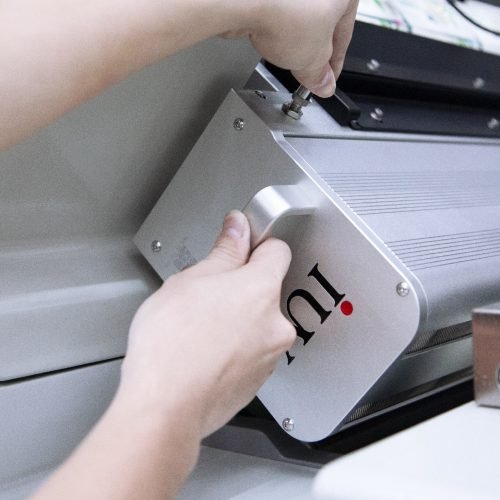
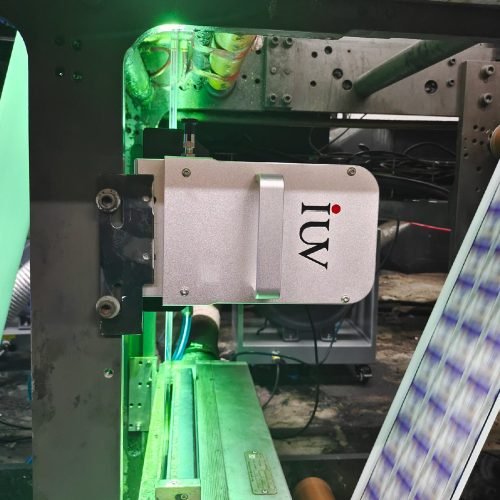
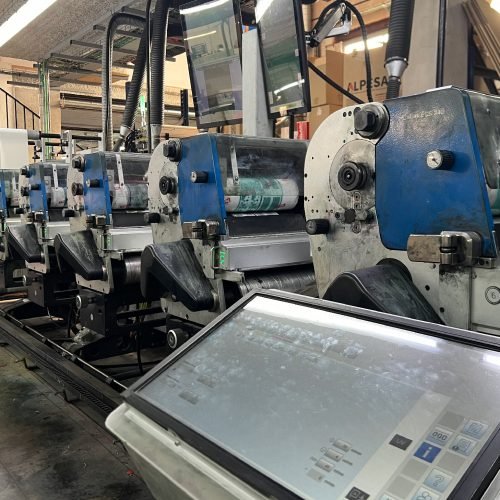
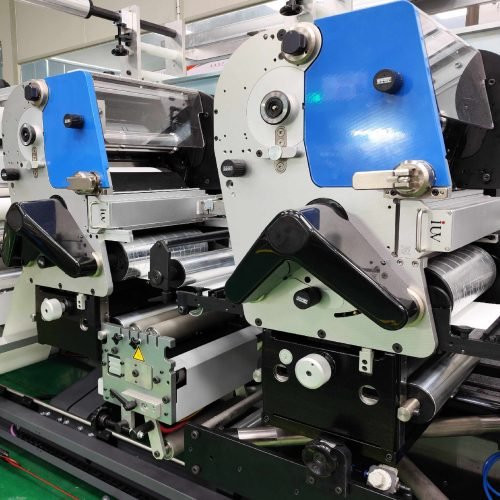
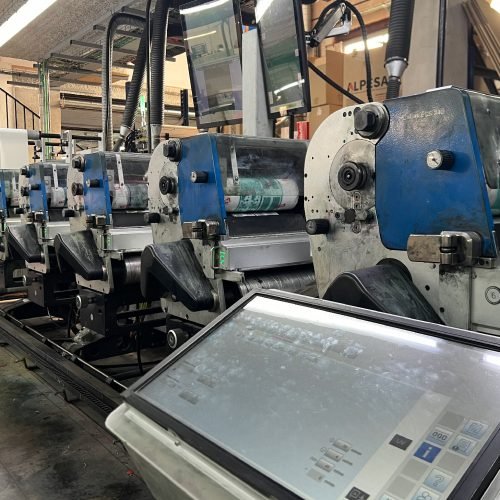
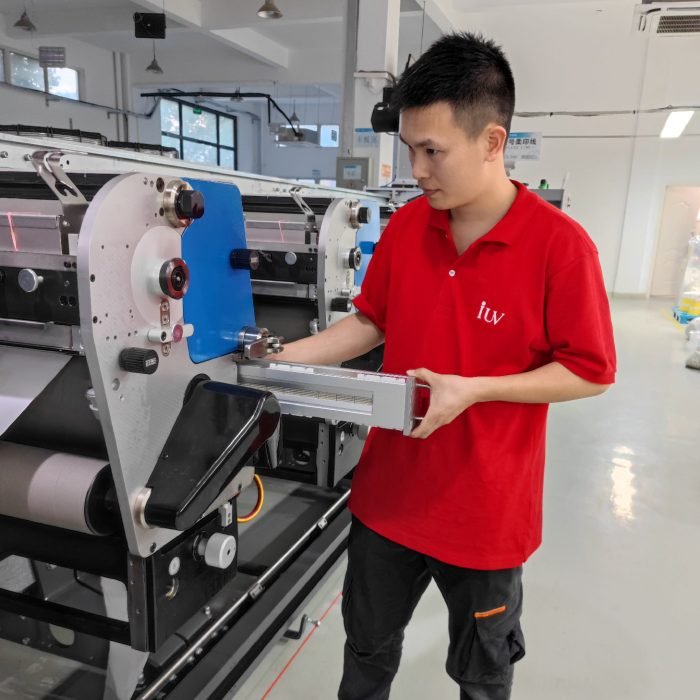
Narrow web flexo printing is a specialized area. It focuses on producing labels and flexible packaging on presses with a narrow web width. The efficiency gains from UV curing are particularly pronounced here. Space on narrow web presses is often at a premium. Integrating compact UV curing units, especially LED UV systems, is straightforward. These units require less space than traditional drying ovens. This allows for more printing stations or other converting units to be incorporated.
The environmental benefits of UV curing are also noteworthy. UV inks are typically formulated with fewer volatile organic compounds (VOCs) compared to solvent-based inks. This reduces harmful emissions into the workplace and the environment. For companies committed to sustainability, this is a significant advantage. Many clients are increasingly demanding eco-friendly printing solutions. UV curing helps meet these demands.
LED UV technology represents the latest evolution in UV curing. Traditional mercury vapor lamps have been the standard for years. However, they consume a lot of energy and produce significant heat. LED UV lamps are much more energy-efficient. They have a longer lifespan. They also offer more precise control over the curing spectrum. This precise control can lead to even better ink performance and reduced energy costs. The low heat output of LEDs is a major plus for heat-sensitive substrates.
The upfront investment in UV curing equipment might seem higher. However, the long-term operational savings are substantial. Reduced energy consumption, faster turnaround times, and lower waste due to consistent quality all contribute to a strong return on investment. When producing high volumes, these savings are amplified.
Ink and Color Performance
UV inks often offer a wider color gamut. They can produce brighter, more vibrant colors than some conventional inks. The instant curing locks the ink onto the substrate. This prevents color shift or bleeding. For label printing, where visual appeal is paramount, this enhanced color performance is a key benefit. Brands can achieve exact color matches and eye-catching designs.
The adhesion of UV inks to various substrates is also excellent. This ensures that the printed image remains intact even after finishing processes like die-cutting and lamination. This robust adhesion is a direct result of the UV curing process effectively cross-linking the ink polymers.
Comparison to Other Printing Methods
While offset printing (胶板印刷) is known for its quality on certain substrates, it’s generally less efficient for the high-volume, short-run nature of many label jobs. Flexo, with UV curing, excels in this space. Offset presses often require longer setup times and are not as versatile with flexible films and foils commonly used in label printing.
Gravure printing can handle high volumes but has very high setup costs. It’s usually reserved for extremely long runs. Flexo, powered by UV curing, offers a sweet spot. It provides the speed and quality for high-volume production without the prohibitive initial investment of gravure.
The adaptability of flexo printing is one of its core strengths. It can handle everything from simple one-color labels to complex multi-color designs with special finishes. UV curing enhances this adaptability. It allows for the successful printing of thick ink layers for high opacity or special effects. It also enables the use of UV-curable varnishes and coatings for added protection and visual appeal.
In conclusion, for businesses engaged in high-volume flexographic label production, adopting UV curing technology is a strategic decision. It boosts press speeds, elevates print quality and durability, ensures consistent results, and expands substrate compatibility. The ongoing advancements in LED UV technology further enhance these benefits, offering energy savings and an even more controlled curing process. This potent combination empowers printers to meet the demanding requirements of modern label markets efficiently and effectively.