You got it! Let’s dive into the fascinating world of LED Flexo printing and low migration inks for food labels. I’ll put on my engineer hat and my SEO hat, and craft something informative and engaging for you.
Here we go:
LED Flexo printing is transforming the narrow web label industry. This technology offers significant advantages over traditional methods. It combines the efficiency of flexography with the benefits of LED UV curing. The result is faster production and higher quality prints. This is especially important for food labels, where safety and aesthetics are paramount.
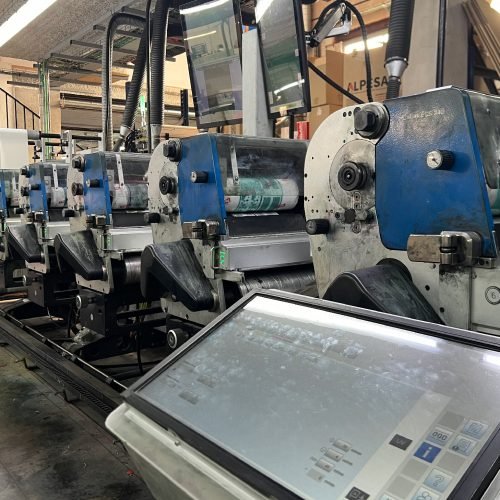
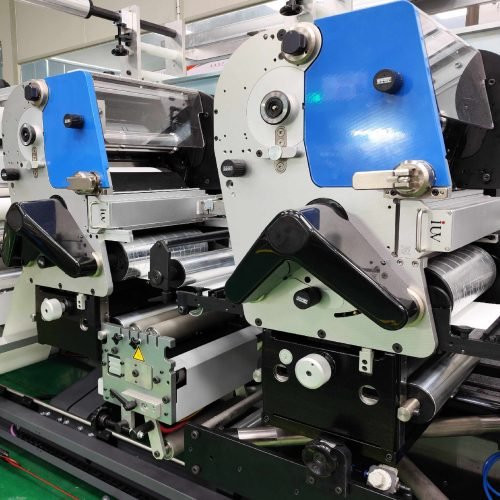
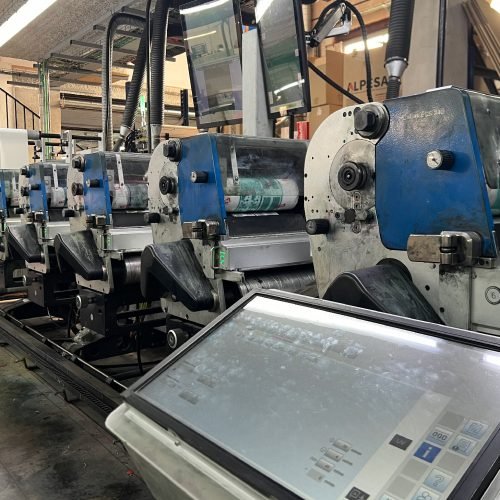
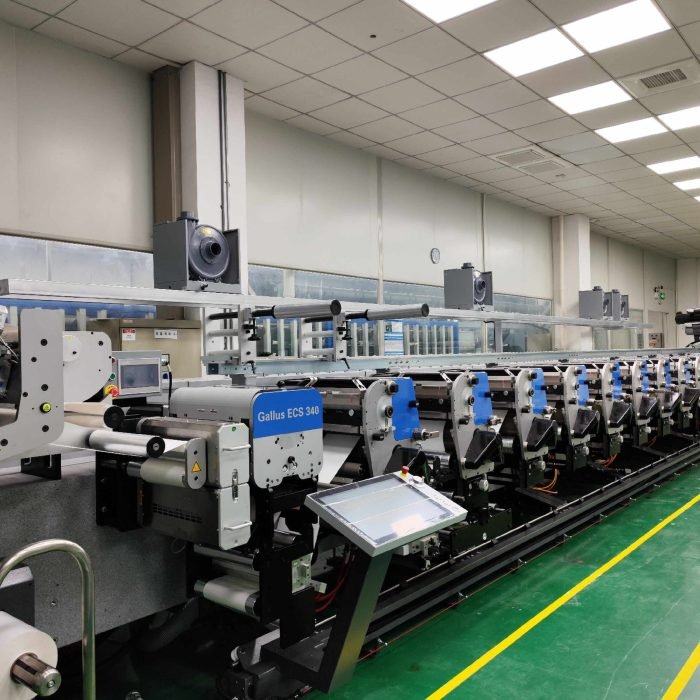
Flexographic printing, or flexo, is a versatile printing technique. It uses a flexible relief plate to transfer ink. It’s widely used for packaging and labels. Flexo printing excels on a variety of substrates. This includes films, foils, and paper. Its flexibility makes it ideal for narrow web applications. Narrow web printing refers to printing on narrow rolls of material. This is common for producing labels and flexible packaging.
Traditional UV curing systems use mercury lamps. These lamps generate a lot of heat. They also consume a lot of energy. Mercury lamps have a shorter lifespan. They require frequent replacement. This adds to operational costs. The disposal of mercury lamps also poses environmental concerns.
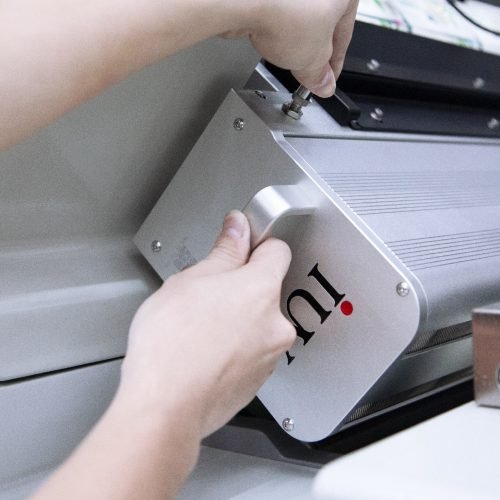
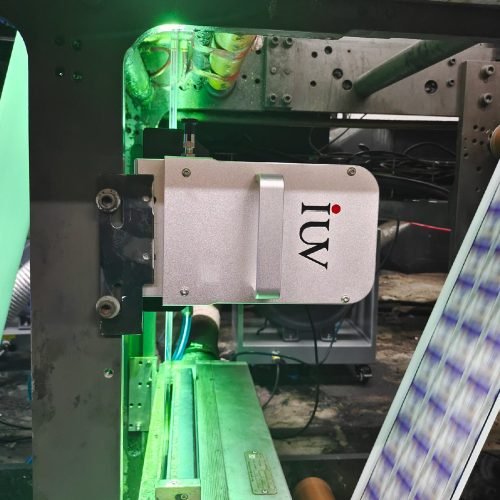
LED UV curing technology offers a cleaner, more efficient alternative. LEDs emit light at specific wavelengths. These wavelengths are perfectly matched to the photoinitiators in UV inks. This precise energy transfer leads to faster and more complete curing. LED curing systems produce very little heat. This is a major advantage when printing on heat-sensitive materials. Many plastic films used for food labels can deform under high heat. LED curing prevents this.
The energy efficiency of LED UV curing is another key benefit. LEDs consume significantly less power than mercury lamps. This translates to lower electricity bills for printing companies. LED lamps also have a much longer lifespan. They can last for tens of thousands of hours. This reduces maintenance and replacement costs.
The rise of low migration inks is directly linked to the demand for safer food packaging. Regulatory bodies worldwide are implementing stricter rules. These rules govern the inks used in food contact materials. The concern is that ink components could migrate from the label into the food. This migration can pose health risks.
Low migration inks are specifically formulated to minimize this risk. They contain components that are less likely to migrate. This is achieved through careful selection of monomers, oligomers, and photoinitiators. These ingredients are designed to polymerize completely during the UV curing process. A fully cured ink film is less permeable. This significantly reduces the potential for migration.
The combination of LED Flexo printing and low migration inks is a powerful one. LED curing provides the efficient and low-heat environment needed to fully cure these specialized inks. The precise energy output of LEDs ensures that the photoinitiators in low migration inks are activated effectively. This leads to a robust, well-cured ink film.
For food labels, this means enhanced safety. Consumers can be more confident that the labels on their food products are safe. Brand owners benefit from compliance with stringent regulations. Printers can offer a high-quality, safe printing solution.
The printing process itself is also improved. LED UV curing allows for faster press speeds. This increases productivity. The instant curing means that labels can be finished and converted immediately. There’s no need for lengthy drying times. This streamlines the entire production workflow.
The ink dot gain in flexo printing can be managed effectively with LED curing. Precise control over the curing process helps maintain sharp details. This is crucial for intricate designs and small text often found on food labels. The color reproduction is also excellent. LED lamps provide a stable light source. This ensures consistent color output across print runs.
Compared to offset printing, flexo often has advantages for label production. Offset printing is typically used for longer runs on smooth, flat surfaces. Flexo printing is better suited for the diverse range of substrates and thicknesses found in label printing. Narrow web flexo machines are designed for efficiency in this market.
LED UV curing is also more environmentally friendly. The reduced energy consumption lowers the carbon footprint. The absence of mercury eliminates hazardous waste. This aligns with the growing trend towards sustainable manufacturing practices. Many companies are seeking greener printing solutions.
The ink formulation for low migration inks is complex. It requires specialized knowledge of photochemistry and polymer science. The goal is to achieve excellent printability and adhesion. It must also meet strict migration limits. Reputable ink manufacturers invest heavily in research and development. They work closely with equipment providers. This ensures compatibility between their inks and LED curing systems.
When selecting an LED UV curing system for flexo printing, several factors are important. The wavelength of the LEDs must be compatible with the ink’s photoinitiators. The power output of the LEDs needs to be sufficient for rapid curing. The width of the curing unit must match the web width of the press. Proper ventilation is also necessary, although significantly less than with mercury systems.
The shift to LED Flexo printing and low migration inks is a significant one for the food labeling sector. It represents an evolution in printing technology. It addresses critical concerns about food safety and environmental responsibility. The benefits are clear: improved print quality, enhanced safety, greater efficiency, and a reduced environmental impact. This makes it a compelling choice for label printers and brand owners alike. The future of food label printing is undoubtedly LED-powered and migration-aware.