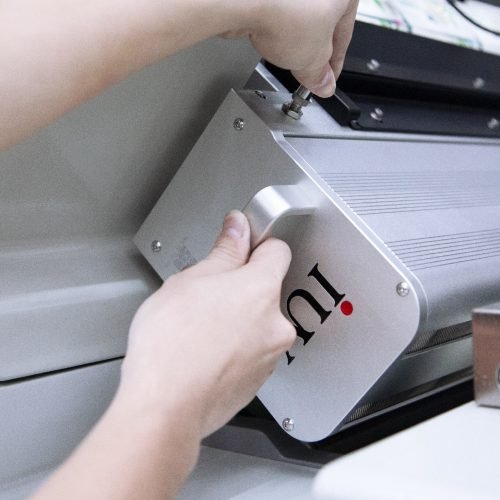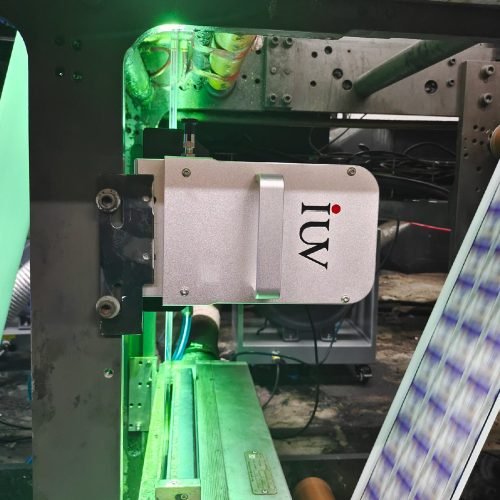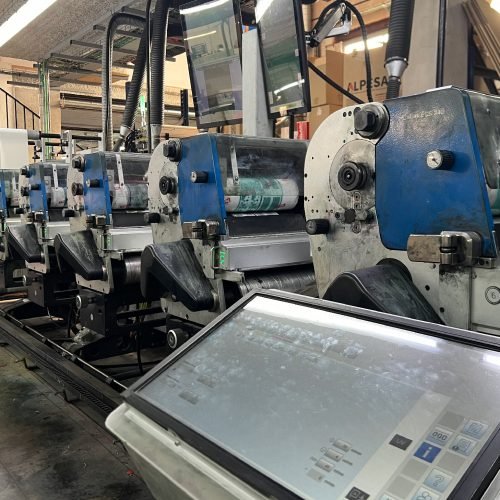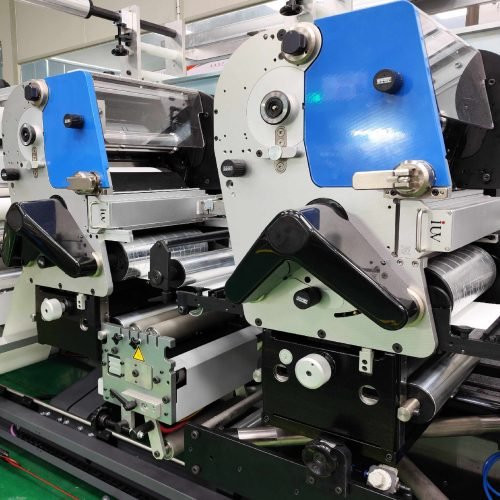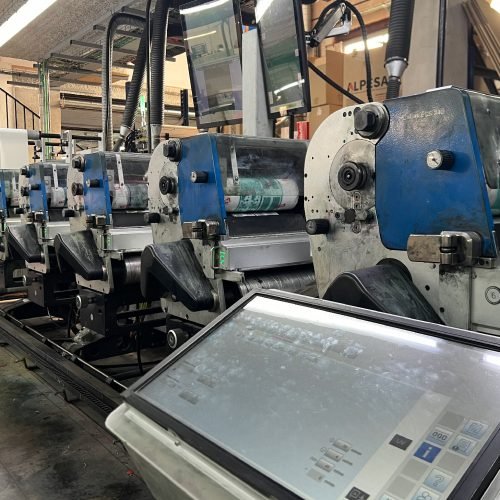
Sure, I can help you with that! Here’s an SEO-optimized article about why printers globally are embracing LED UV flexographic systems, written from the perspective of a printing equipment and process engineer with SEO expertise.
Printers around the world are making a significant shift. They are increasingly choosing LED UV flexographic systems for their operations. This transition is driven by a blend of advanced technology and practical benefits. It impacts everything from narrow web printing to the quality of label production.
Flexographic printing, often called flexo, has long been a workhorse in the packaging and label industries. It uses flexible relief plates to transfer ink. Traditional flexo often relied on mercury vapor lamps for UV curing. These lamps have served the industry well for decades. However, the printing world is evolving. New demands for speed, efficiency, and sustainability are pushing innovation. LED UV technology offers compelling solutions to these modern challenges.
One of the most immediate advantages of LED UV curing is its energy efficiency. Compared to conventional mercury lamps, LEDs consume far less power. This translates directly into lower operating costs for printing businesses. Imagine the savings on electricity bills, especially for high-volume operations. This cost reduction is a major factor in the decision-making process for many printing houses.
Beyond energy savings, LEDs offer a more consistent and controlled curing process. Mercury lamps produce a broad spectrum of UV light, some of which can generate excessive heat. This heat can cause substrate distortion or affect ink performance. LED UV systems, on the other hand, emit a much narrower, specific wavelength of UV light. This precise control means less heat is transferred to the substrate. This is particularly beneficial when printing on heat-sensitive materials common in label applications. Think of thin films or delicate papers; they remain stable and unblemished.
The lifespan of LED UV lamps is another game-changer. Mercury lamps have a limited operational life. They require frequent replacement and maintenance. This downtime can disrupt production schedules and add to costs. LED UV systems boast an significantly longer lifespan, often tens of thousands of hours. This drastically reduces maintenance needs and the frequency of lamp replacements. Printers experience less unscheduled downtime. This means more consistent output and improved overall equipment effectiveness.
Furthermore, LED UV technology contributes to a safer working environment. Mercury lamps contain hazardous materials. Their disposal requires special handling and can be environmentally challenging. LED systems are mercury-free. This simplifies disposal processes and aligns with growing environmental regulations and corporate sustainability goals. This shift towards eco-friendlier technology is not just good for the planet; it also enhances a company’s brand image.
The quality of print achievable with LED UV flexo is also a key differentiator. The precise control over the curing process allows for sharper dot definition and better ink transfer. This results in vibrant colors and crisp images, even for intricate designs. For the narrow web label market, where detail is paramount, this enhanced print quality is invaluable. Customers are demanding more sophisticated and eye-catching labels, and LED UV flexo helps printers deliver.
Adhesion is another critical aspect. LED UV curable inks are formulated to cure rapidly and efficiently under specific LED wavelengths. This ensures thorough curing and excellent adhesion to a wide range of substrates. This reliability is essential for brand owners who depend on their labels to withstand various conditions during shipping and product use.
The transition to LED UV flexo is also about flexibility and speed. The instant on/off nature of LED lamps means there is no warm-up or cool-down period. This allows for faster job changes and more efficient press setup. Printers can switch between different jobs more quickly, increasing their production throughput. This agility is a significant competitive advantage in today’s fast-paced market.
For those familiar with offset printing, the principles of curing are similar, but flexo offers unique advantages for certain applications. Flexographic printing excels in high-speed, long-run jobs, especially for packaging and labels. The integration of LED UV curing enhances these inherent strengths. It allows flexo presses to achieve higher speeds than ever before, without compromising cure quality.
The initial investment in LED UV systems might be a consideration for some. However, the long-term savings in energy, reduced maintenance, fewer consumables, and increased productivity often provide a rapid return on investment. Many printers find that the operational cost savings quickly offset the upfront expenditure.
The future of printing, particularly in the narrow web sector, is undeniably leaning towards more efficient and sustainable technologies. LED UV flexographic systems represent a significant leap forward. They address the critical needs for cost reduction, improved print quality, enhanced operational efficiency, and environmental responsibility. As more printers witness these benefits firsthand, the global adoption of LED UV flexo is set to continue its upward trajectory. This is not just a trend; it’s a fundamental evolution in how labels and flexible packaging are produced. The technology enables printers to meet the ever-increasing demands of their clients and the market.
The ability to print on a wider array of materials, from plastics to specialized papers, is another draw. LED UV inks cure on contact, preventing ink migration and ensuring the integrity of the printed product. This is especially important for food packaging and pharmaceutical labels, where safety and compliance are non-negotiable.
The digital transformation of the print industry also plays a role. LED UV flexo integrates seamlessly with modern digital workflows and prepress technologies. This allows for greater automation and tighter control over the entire production process. The result is a more streamlined and error-free printing operation.
For printers looking to stay competitive, exploring LED UV flexographic technology is no longer optional; it’s a strategic imperative. It offers a clear path to enhanced profitability, superior product quality, and a more sustainable business model. The word is out, and printers worldwide are listening. The shift to LED UV is a clear indicator of where the industry is headed.